
The Secret World of Arrietty
借りぐらしのアリエッティ
Does this age rating seem accurate to you?
Detailed parental analysis
Arrietty and the Secret World of Borrowers is a contemplative and poetic animated film, with a gentle atmosphere yet traversed by moments of genuine tension. The plot follows a tiny teenager living hidden beneath the floorboards of a house, whose existence is upended by an encounter with a young human boy. Produced by Studio Ghibli, the film is primarily aimed at children from age 7 onwards and families, although its slow pacing and themes of mortality and exile make it more fully accessible from age 8 or 9 onwards.
Violence
Violence is not graphic, but it is concrete and can unsettle younger viewers. A cat chases Arrietty with marked aggression, growling and hurling itself against obstacles. A crow crashes against a window and pierces the screen with its head, struggling violently. The housekeeper captures Arrietty's mother and imprisons her in a glass jar, a scene that concentrates a considerable amount of anguish. Large insects also represent physical threats. These sequences remain brief and always serve the narrative, never veering into gore, but they are sufficient to provoke frank unease in a sensitive or very young child.
Social Themes
The film addresses with genuine subtlety the theme of survival for an invisible minority within a world that ignores it or seeks to eliminate it. The family of borrowers lives in total secrecy, forced to flee their home when discovered. This mechanism of expulsion and forced wandering resonates as a sober metaphor for the fragility of any marginalised community. Coexistence between radically different beings is at the heart of the film's purpose, posed without naivety: it is possible between benevolent individuals, but rendered impossible by the fear and institutional hostility represented by the housekeeper.
Underlying Values
The film values discretion, humility and acceptance of the limits of one's condition without ever presenting them as resignation. Arrietty gains courage not through desire for glory but through necessity and through attachment to those she loves. The friendship with Shô, the human boy suffering from a serious heart condition, introduces sober reflection on one's relationship with life and death: he learns not to flee hope, she learns to open herself to the other. The film never preaches; it allows these tensions to exist without resolving them artificially.
Parental and Family Portrayals
Arrietty's parents are protective, loving and competent figures, central to family life. The father is cautious and courageous, the mother more fearful but devoted. Their relationship with their daughter is tender without being enmeshed, and they gradually place their trust in her. There is no absent or dysfunctional parental figure in this film, which is a reassuring anchor for young viewers.
Strengths
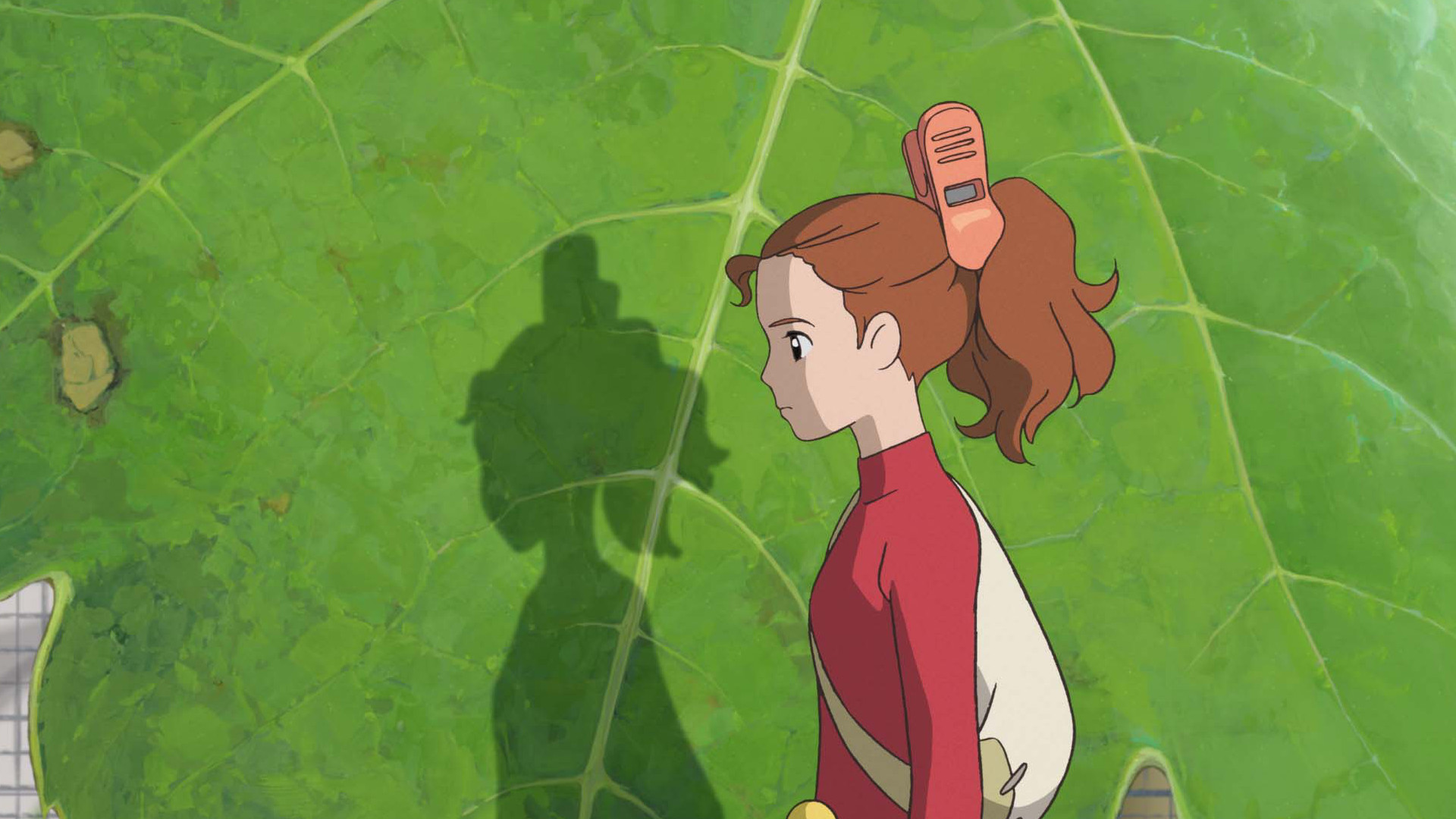
The film is of exceptional visual quality in its representation of the miniature world: every corner of the house becomes a landscape, every drop of water an epic obstacle, without this ever being heavy-handed or demonstrative. The Celtic music of Cécile Corbel creates an immediately singular atmosphere, at once melancholic and alive. What strikes most is the emotional restraint of the narrative: Shô's illness is treated with a rare dignity in animation destined for youth, without facile sentimentality. The bittersweet ending does not seek to resolve everything, which makes it a precious film for opening a conversation about separation, loss and resilience.
Age recommendation and discussion points
The film is suitable from age 7, but will be fully appreciated, without risk of prolonged distress, from age 8 or 9 onwards for sensitive children. Two angles merit discussion after viewing: why does the housekeeper fear the borrowers so much when they do her no harm, and what does this tell us about our reaction to what we do not understand; and how do Shô and Arrietty bring each other something the other would not have found alone.
Synopsis
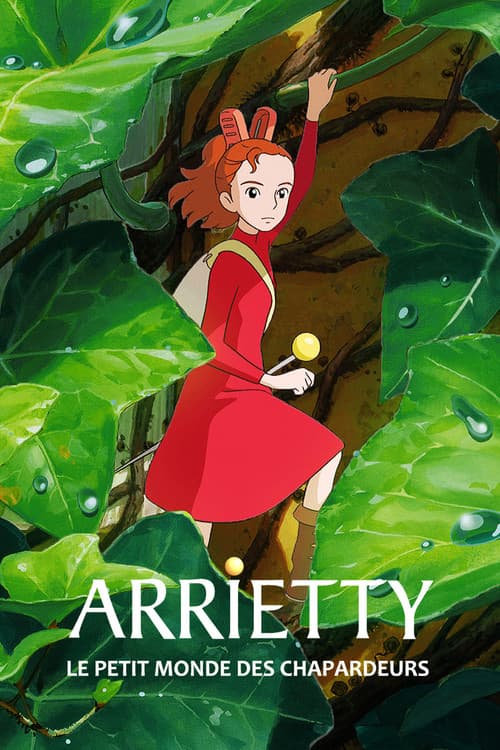
14-year-old Arrietty and the rest of the Clock family live in peaceful anonymity as they make their own home from items "borrowed" from the house's human inhabitants. However, life changes for the Clocks when a human boy discovers Arrietty.
About this title
- Format
- Feature film
- Year
- 2010
- Runtime
- 1h 34m
- Countries
- France, Japan, United States of America
- Original language
- JA
- Studios
- Studio Ghibli, Hakuhodo DY Media Partners, Mitsubishi Shoji, dentsu, TOHO, Nippon Television Network Corporation, Wild Bunch, The Walt Disney Company (Japan)
Content barometer
- Violence2/5Moderate
- Fear3/5Notable tension
- Sexuality0/5None
- Language0/5None
- Narrative complexity1/5Accessible
- Adult themes0/5None
Watch-outs
Values conveyed
- Courage
- Friendship
- Acceptance of difference
- Compassion
- Autonomy
- family solidarity
- respect for nature
- sense of adventure
- perseverance