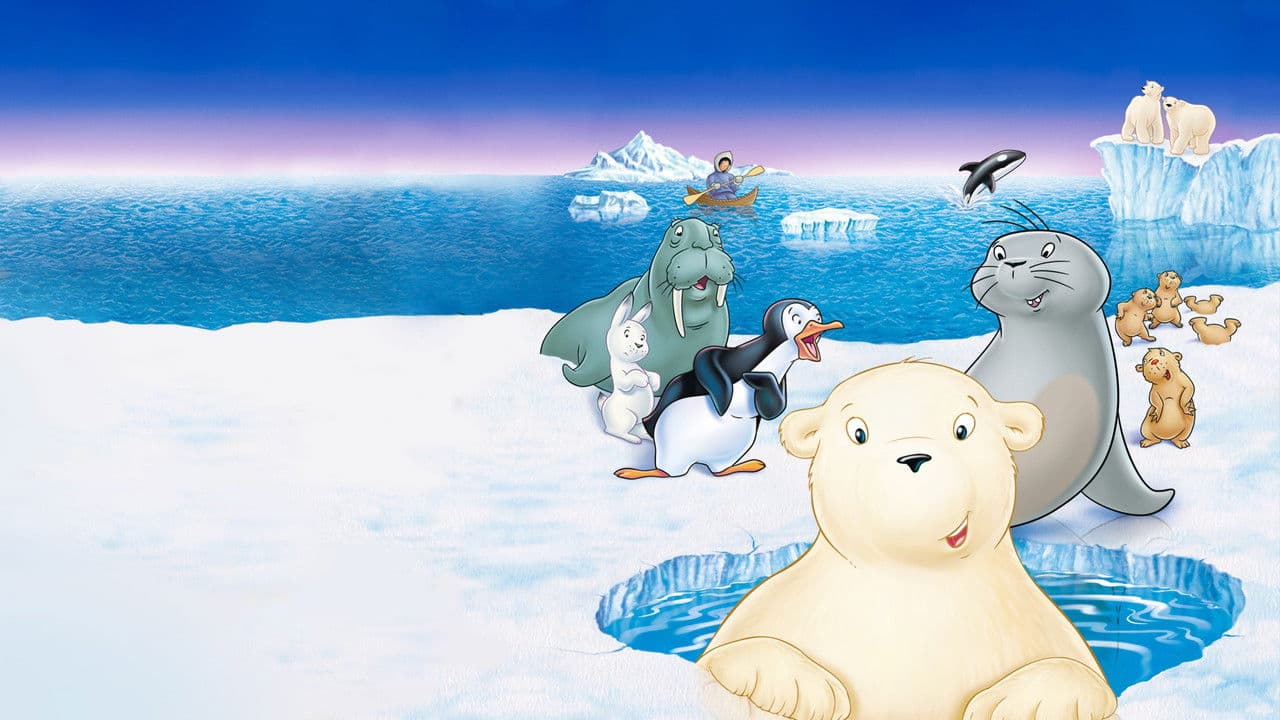
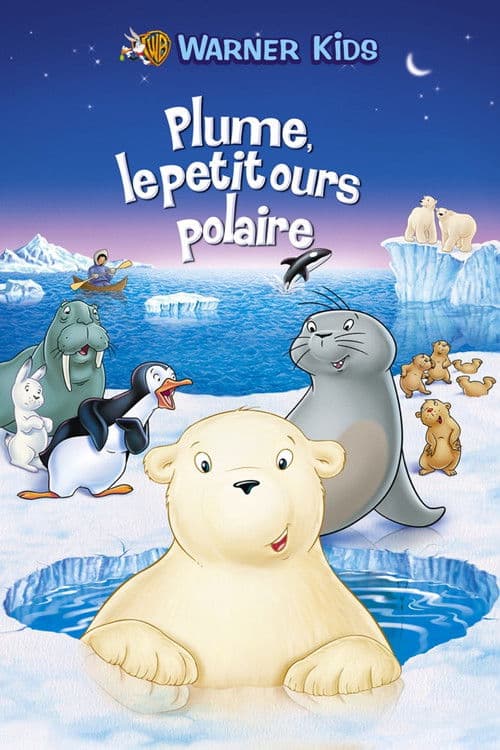
The Little Polar Bear
Der kleine Eisbär
Does this age rating seem accurate to you?
Detailed parental analysis
Plume, the little polar bear, is a soft and contemplative animated film, tinged with a light melancholy characteristic of Nordic tales for the very young. The story follows a curious and kind-hearted polar bear cub who forms friendships with animals that are in every way his opposites, learning along the way that differences do not prevent trust. The film is clearly aimed at children aged 3 to 7, with slow narration, soothing imagery and measured emotional tension.
Underlying Values
The film builds its entire narrative logic around overcoming prejudice and extending trust to the stranger. The central friendship between a polar bear and a seal is particularly strong on this front: in reality, one is the prey of the other, and the film makes this precisely the engine of moral questioning. It is not a message tacked on at the end of the story but a tension that structures the scenes. Cooperation replaces predation, and this is concretely expressed in the characters' actions, making it a solid starting point for discussion.
Social Themes
Industrial fishing is presented as a direct threat to the Arctic environment and the animal communities that depend on it. It is not a background detail but a narrative issue that the film raises without ambiguity: industrial ships are the problem, cooperation between species for measured fishing is the answer. For children aged 4 to 6, this is a concrete first introduction to the concept of human impact on nature, presented in an accessible and non-guilt-inducing way.
Parental and Family Portrayals
Plume's temporary separation from his parents constitutes the most intense emotional driver of the film. The scene of the iceberg breaking away provokes genuine emotion of loss and isolation in young children, all the more so because Plume's parents are portrayed as loving and protective. This positive parental figure makes the separation more distressing, not because it is traumatic, but because it is realistic enough to resonate with a 4-year-old child. It is worth preparing younger children for this scene and remaining available to reassure them.
Strengths
The film draws its strength from a stripped-down narration that trusts in image and emotion without over-explanation. The Arctic settings offer rare visual beauty for youth-oriented media of that era, and the contemplative pace stands in favourable contrast to the usual sensory overload of children's productions. The friendship between Plume and the seal is built with a sincerity that avoids sentimentality: initial mistrust is genuine, the gradual rapprochement is earned. It is a film that teaches young children to settle into a story without expecting constant stimulation.
Age recommendation and discussion points
The film is suitable from age 3, with particular attention for sensitive children around 3-4 years old regarding the parental separation scene. Two discussion angles are worthwhile after viewing: ask your child why the seal was afraid of Plume at first and what changed, and ask them what they think of the large fishing boats in the film, to start a first reflection on how humans treat nature.
Synopsis
This charming animated adventure follows a young polar bear, Lars, as he befriends Robbie, a seal. Together, these two form a friendship that proves different breeds of animals can get along perfectly well.
About this title
- Format
- Feature film
- Year
- 2001
- Runtime
- 1h 15m
- Countries
- Germany
- Original language
- DE
- Studios
- Rothkirch Cartoon Film, WDR, MaBo Filmproduktion, Torus, Warner Bros. International Television Production Germany
Content barometer
- Violence0/5None
- Fear1/5Mild
- Sexuality0/5None
- Language0/5None
- Narrative complexity1/5Accessible
- Adult themes0/5None
Watch-outs
- Grief
- Death / grief
Values conveyed
- Friendship
- Acceptance of difference
- Compassion
- courage
- cooperation
- acceptance