
The Highway Rat
Does this age rating seem accurate to you?
Detailed parental analysis
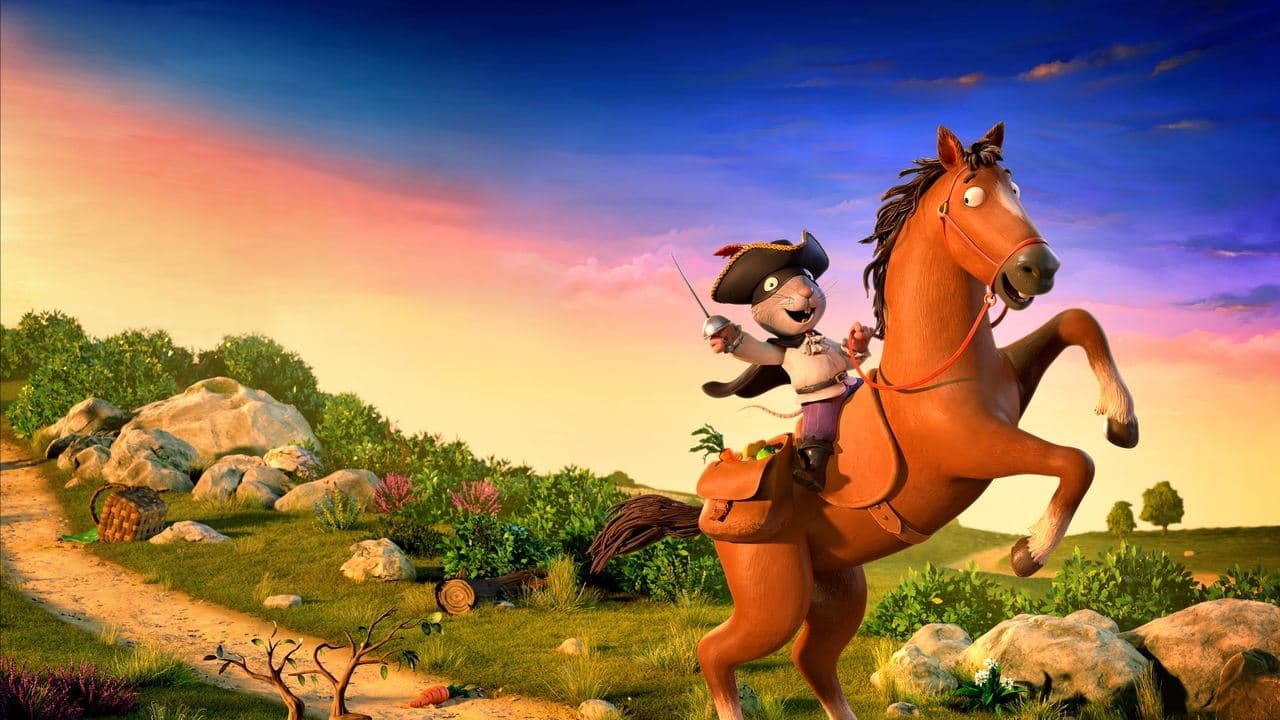
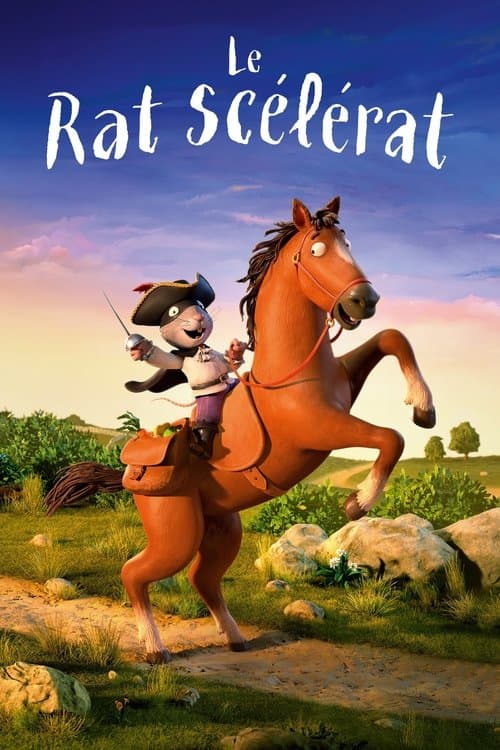
Rascal Rat is an upbeat animated short film, adapted from an illustrated children's book, with the atmosphere of a slightly dark fairy tale tinged with humour. A greedy and arrogant rat roams the countryside, stripping other animals of their food, until a clever little duck turns the tables to her advantage. The film is primarily aimed at very young children, from nursery age onwards.
Violence
The rat moves about wielding a sword that he brandishes to force other animals to surrender their food. The weapon is present throughout the narrative and constitutes his primary tool of intimidation. One scene shows him holding the sword to the duck's throat, with an explicit threat to eat her. These moments are staged in the manner of a burlesque tale rather than a realistic one: the tone remains light, there is no blood, and the rat accidentally injures himself with his own sword in a comic gag. The violence remains functional and clearly designated as wrong by the story's moral framework, but the repeated presence of a weapon used to threaten warrants mention for parents of very young children.
Underlying Values
The film constructs a clear and avowed moral: greed isolates, excess leads to downfall, and it is never too late to change. The rat ends the narrative employed in a bakery, which presents honest work as a natural antidote to rapacity. The duck embodies intelligence and composure in the face of brute force, which constitutes a positive message about cunning and courage as resources of the weak. The film also contains an implicit dimension on moderation in food, with the rat frantically accumulating sustenance from which he never truly benefits.
Parental and Family Portrayals
Adult or protective figures are absent from the narrative framework: each animal confronts the rat alone, and it is a small creature, the duck, who ultimately resolves the situation through her own means. This setting implicitly values resourcefulness and autonomy in the face of adversity, which is consistent with the logic of the traditional animal tale.
Strengths
The film is a careful adaptation of a picture book by Julia Donaldson, an author recognised for the precision of her rhymes and the robustness of her narrative structures for young children. The repetitive structure of the story, typical of the oral tale, is both reassuring and pedagogically effective: it establishes a rhythm that the child can anticipate, then subverts with satisfaction. The duck, a central female character who outwits the villain through wit rather than force, offers a particularly well-crafted model of non-violent resolution. The film fulfils with honesty and craftsmanship its function as an illustrated moral tale.
Age recommendation and discussion points
The film is suitable from age 3 with adult supervision, and from age 4 or 5 for independent viewing. Two discussion points are worthwhile after watching: ask the child why the rat was never truly content despite everything he stole, and ask him what he would have done in the duck's place to get rid of the rat without fighting.
Synopsis
The tale of a ravenous rat who craves buns, biscuits and all sweet things. Tearing along the highway, he searches for sugary treats to steal, until his sweet tooth leads him to a sticky end.
About this title
- Format
- Short film
- Year
- 2018
- Runtime
- 42m
- Countries
- United Kingdom
- Original language
- EN
- Studios
- Magic Light Pictures, BBC
Content barometer
- Violence2/5Moderate
- Fear1/5Mild
- Sexuality0/5None
- Language0/5None
- Narrative complexity0/5Simple
- Adult themes0/5None