Jingle All the Way
Does this age rating seem accurate to you?
Detailed parental analysis
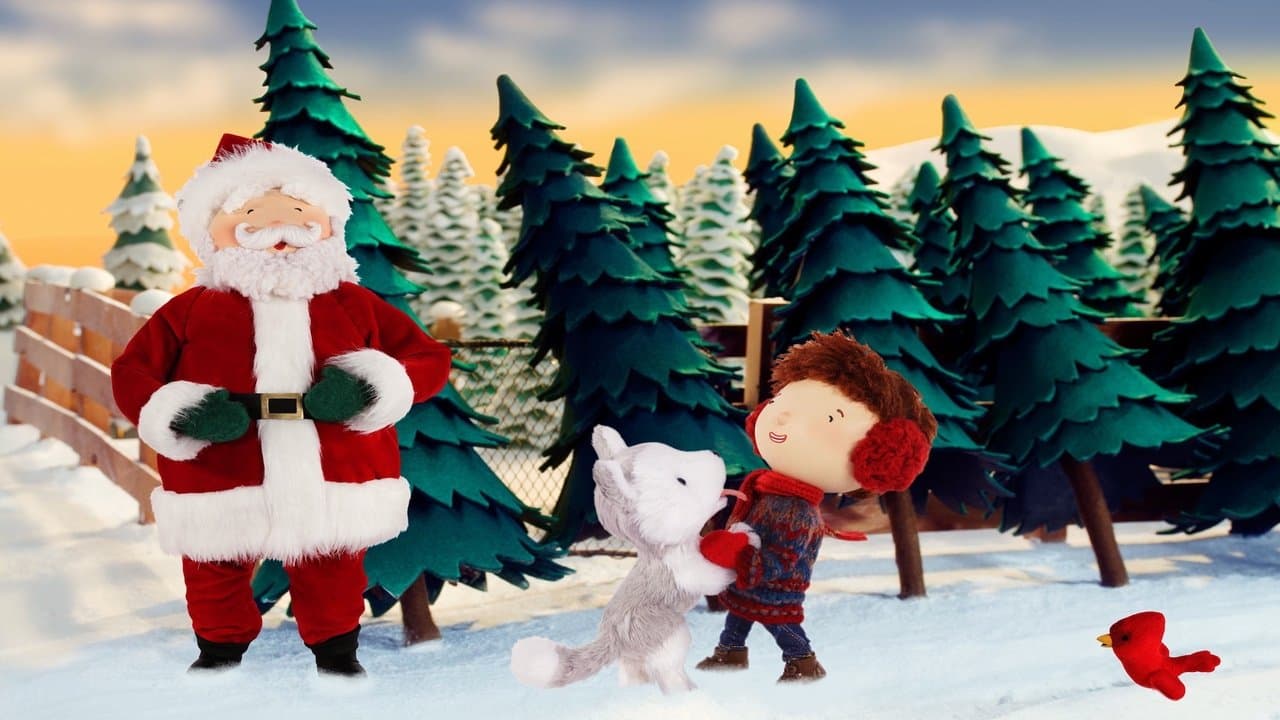
Merry Christmas, Jingle is a family short film with a light and warm tone, featuring the gentle and festive atmosphere characteristic of seasonal productions. The story follows a young boy who rescues a lost puppy and does everything in his power to find it a home before Christmas. The film is primarily aimed at young children, with a reassuring tone and a benevolent resolution.
Underlying Values
The film constructs its message around two complementary themes: true love sometimes requires sacrificing what we desire most, and perseverance ultimately triumphs over obstacles. Andrew agrees to part with the puppy to ensure its happiness, which gives the narrative genuine emotional depth for such a short format. Faith is mobilised as the story's resolution mechanism: Father Christmas intervenes concretely to untangle the situation, positioning magical belief as a central narrative tool rather than mere festive decoration. This choice should be considered if you are pursuing an education in critical thinking, as magic is presented not as symbolic but as literally effective. Furthermore, the character of the dog catcher, initially unsettling, proves to be benevolent: it is a fine opportunity to discuss with a child the difference between appearances and real intentions.
Parental and Family Portrayals
Andrew's parents initially refuse to adopt the puppy, creating narrative tension between the child's desire and parental authority. This refusal is not presented as malicious but as a practical position, and it is ultimately circumvented by Father Christmas's magical intervention. The parental figure remains benevolent overall, but the film offers little space for their perspective: the narrative clearly takes the side of the child and its attachment. This can open a useful discussion about how parental decisions are perceived and experienced.
Violence
Violence is absent in the literal sense, but the film contains several sequences of moderate distress suited to the target age group. The puppy is chased by the dog catcher with a net, finds itself alone in the forest at night, and risks being hit by cars. A bird is struck by a vehicle and briefly appears lifeless before being cared for. These moments are constructed to generate worry followed by relief, in keeping with the emotional grammar of narratives for young children. No violence is shown with complacency, and the resolution is always reassuring.
Strengths
The film effectively fulfils its function as a short Christmas story that is emotionally accessible. The 21-minute structure is well-handled for the intended age group: peaks of anxiety are carefully measured, moments of tenderness are well distributed, and the resolution offers genuine narrative satisfaction. The deconstruction of the dog catcher character, initially presented as antagonistic then revealed to be benevolent, introduces an appreciable psychological nuance for content aimed at young children. The theme of willing sacrifice through love is treated with a sincerity that transcends simple festive decoration.
Age recommendation and discussion points
The film is suitable from ages 3 or 4 onwards, without major reservations for this age group. After viewing, two angles of discussion are worthwhile: ask the child why Andrew agrees to part with the puppy despite his attachment, to address the notion of selfless love; and revisit the dog catcher to discuss together how we judge people by their appearance before really knowing them.
Synopsis
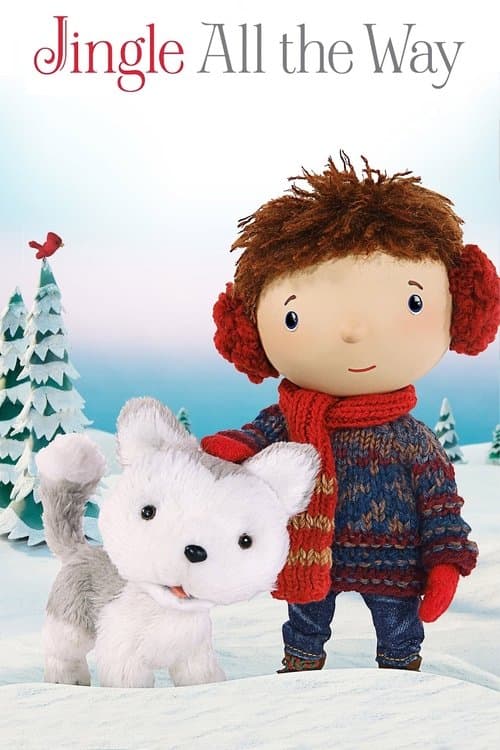
A spirited Husky puppy looking for a home at a Christmas tree farm instantly bonds with a young boy visiting with his parents. As the boy rides away, unable to keep him, the pup escapes and embarks on a snowy journey to find his friend again.
About this title
- Format
- Short film
- Year
- 2011
- Runtime
- 21m
- Countries
- United States of America
- Original language
- EN
- Studios
- Bent Image Lab
Content barometer
- Violence1/5Mild
- Fear2/5A few scenes
- Sexuality0/5None
- Language0/5None
- Narrative complexity0/5Simple
- Adult themes0/5None
Values conveyed
- Courage
- Friendship
- Acceptance of difference
- Perseverance
- Compassion
- Loyalty
- Forgiveness
- empathy
- kindness
- family