Aglaé la Pipelette
Does this age rating seem accurate to you?
Detailed parental analysis
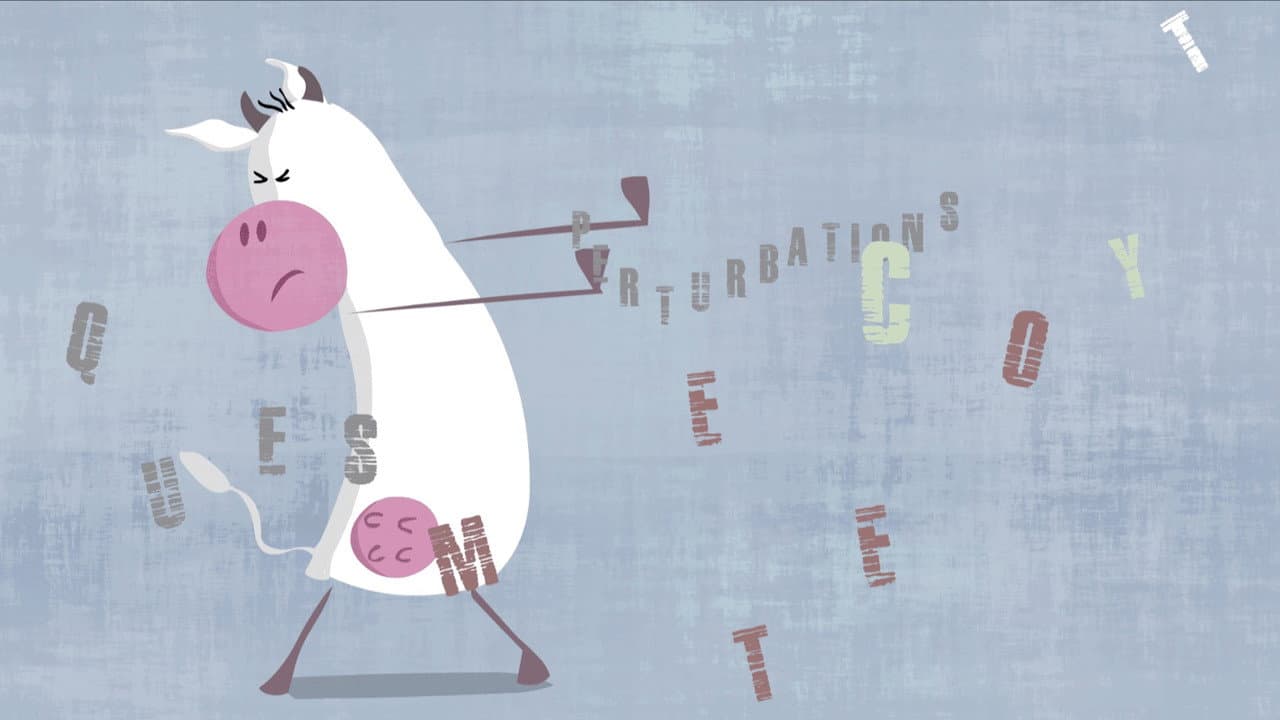
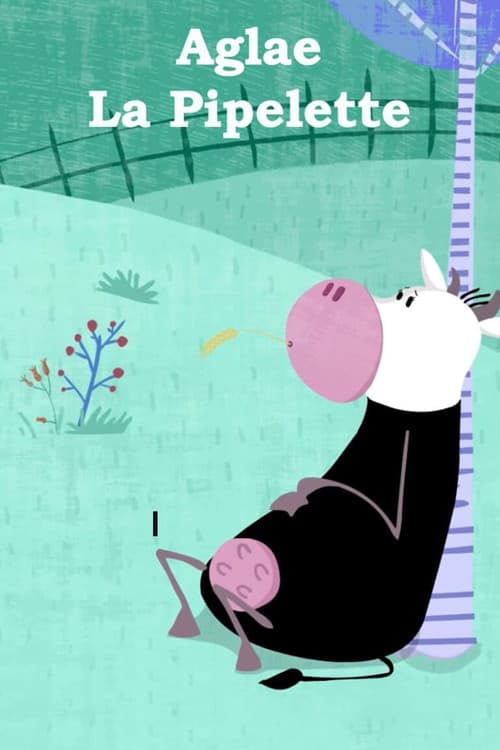
Aglaé la Pipelette is a joyful and colourful animated film, carried by a tender and mischievous tone that addresses itself primarily to very young children. The story follows a chatty little frog who eventually discovers that others too need space and to be heard. The intended audience is clearly that of pre-school age children, accompanied by their parents.
Underlying Values
The narrative is entirely constructed around a tension between self-expression and consideration for others. Aglaé embodies with humour a very recognisable childhood egocentrism: she talks incessantly, criticises without filter the appearance and behaviour of her peers, and takes up all the social space without realising it. The film does not punish her but shows her the concrete consequences of this behaviour, leading to a sincere reconciliation. The value of empathy and mutual listening is conveyed without heavy-handed moralising, and the final message about friendship and acceptance of difference remains grounded in emotional logic rather than in discourse. It is precisely this balance that makes the values accessible to a very young child.
Social Themes
The film touches in an accessible way on group dynamics that are very concrete for young children: rejection, being left out and reconciliation between peers. The scene where Aglaé's friends collectively signal to her that her chattiness exhausts them, and the sulking moment that follows, are situations familiar to pre-school age. These scenes are not dramatised in an anxiety-inducing way but they raise genuine relational issues that children can recognise and that parents can use as a starting point for discussion.
Strengths
The film has the merit of portraying a common childhood flaw without ever stigmatising the character who embodies it. Aglaé remains endearing and funny despite her excesses, which makes the point about empathy far more effective than a didactic narrative with an exemplary character. The very fast pace, modelled on Aglaé's own speech rate, constitutes a form consistent with the subject. For parents, the film is short and sufficiently fast-paced to remain watchable, and it offers a direct narrative hook for talking to a child about the way he or she interacts with their peers.
Age recommendation and discussion points
The film is suitable from age 3, with parental accompaniment recommended for the youngest to contextualise the scenes of rejection or sulking. Two natural angles of discussion present themselves after viewing: asking the child whether he or she sometimes talks a lot like Aglaé and how their friends react, and asking them what they would feel in the place of the woken-up classmate or the friends who feel invaded.
About this title
- Format
- Short film
- Year
- 2018
- Runtime
- 7m
- Countries
- France
- Original language
- FR
- Studios
- La Boîte, ... Productions
Content barometer
- Violence0/5None
- Fear0/5None
- Sexuality0/5None
- Language0/5None
- Narrative complexity0/5Simple
- Adult themes0/5None
Watch-outs
- Bullying
- Mockery
Values conveyed
- Friendship
- Acceptance of difference
- Compassion
- Autonomy
- listening
- respect
- social skills