Zibilla ou la vie zébrée
Does this age rating seem accurate to you?
Detailed parental analysis
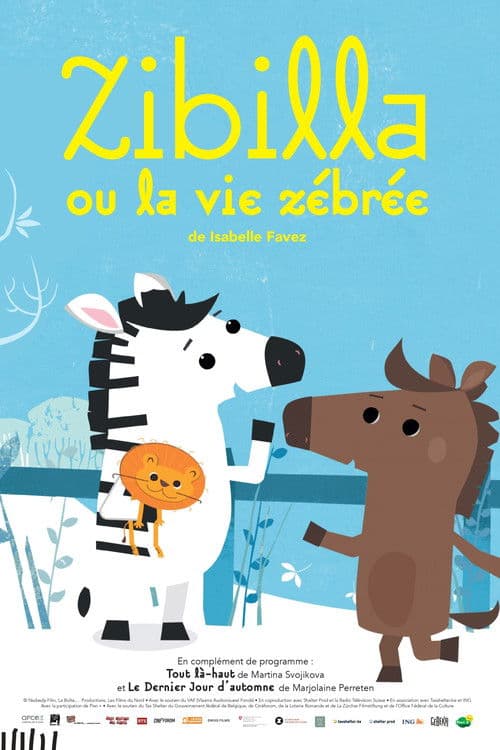
Zibilla or a Striped Life is a programme of animated short films with a gentle and slightly melancholic atmosphere, tinged with benevolent humour. All the narratives revolve around Zibilla, a young girl with a singular personality who navigates between the gaze of others, her family and her inner dreams. The film is clearly intended for young children, from nursery school onwards.
Underlying Values
The programme carries well-constructed messages about self-acceptance, the place of parental love against social judgement, and solidarity between generations. One of the narratives actively valorises mutual aid when children help an old circus horse to keep his job, which gives rise to a natural discussion about dignity and usefulness at any age. The message about appearance being judged rather than inner qualities is recurrent and clearly affirmed. Some critics found the first short film in the programme too explicitly didactic, to the point where the moral lesson overshadows the narrative: this is a genuine debate that parents can anticipate by ensuring the child formulates for himself what he retains, rather than delivering the key message ready-made.
Parental and Family Portrayals
The parental figure is particularly central to this programme. The love of parents, including adoptive parents, is presented as a stable bulwark against the hostility of the outside world. One narrative explicitly addresses the question of adoption and the need to explain to a child his origins with love and honesty, making it direct support for families concerned or simply curious to broach this subject.
Violence
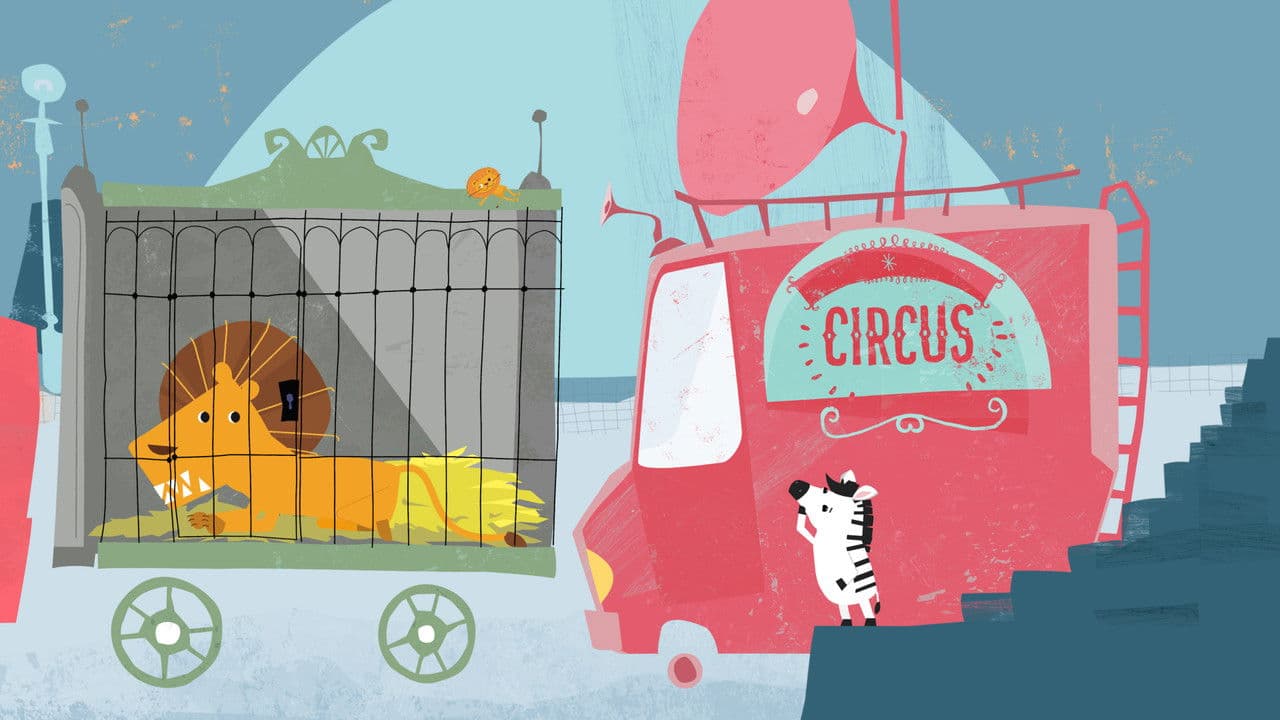
The programme contains a few sequences with moderate tension for very young children. A scene of a nocturnal chase by an escaped lion, during which Zibilla finds herself cornered, may worry the youngest children sensitive to situations of danger. A dream sequence where Zibilla transforms into a lion and fantasises about eating her playmates is treated in an oneiric and symbolic rather than realistic manner, but merits being contextualised for a child who does not yet clearly distinguish dream from reality. These elements remain within entirely controlled intensity for the intended audience.
Social Themes
The programme discreetly touches on the question of difference and social integration through the character of Zibilla, perceived as atypical in her environment. The scene where a playmate steals her comfort toy and throws it over the fence illustrates concretely the mechanism of rejection and mockery amongst children, offering an accessible entry point to speak about everyday bullying in the school setting without ever naming it in an alarmist manner.
Strengths
The programme demonstrates genuine intelligence in the way it articulates a child's inner world and the social situations she traverses. The figure of the old horse hidden in his lion costume, who cries in secret, constitutes a moment of real emotional subtlety: it allows young children to grasp the idea that adults too experience hardship and feel sorrow, without this being formulated in an overwhelming manner. The variety of narratives avoids monotony and offers multiple entry points for family discussion.
Age recommendation and discussion points
The programme is suitable from age 4 onwards, with parental presence advised during tension sequences for very young children. Two natural discussion angles after viewing: why some children mock what they do not understand, and what Zibilla feels when her parents tell her they love her despite the gaze of others.
Synopsis
A family of giraffes on vacation, a forest animal race, and a zebra visiting the zoo! Short classic animal stories. Program of three short films from 2019: "Tout là-haut" by Martina Svojíková, 13' "Le dernier jour d'automne" by Marjolaine Perreten, 8' "Zibilla" by Isabelle Favez, 26'
About this title
- Format
- Feature film
- Year
- 2019
- Runtime
- 47m
- Countries
- Belgium, France, Switzerland
- Original language
- FR
- Studios
- Folimage, Gébéka Films, La Boîte, ... Productions, Nadasdy Film, Les Films du Nord, RTS
Content barometer
- Violence1/5Mild
- Fear2/5A few scenes
- Sexuality0/5None
- Language0/5None
- Narrative complexity0/5Simple
- Adult themes0/5None
Watch-outs
- Bullying
- Mockery
Values conveyed
- Acceptance of difference
- Compassion
- difference
- empathy
- friendship
- self acceptance