Yakari: A Spectacular Journey
Does this age rating seem accurate to you?
Detailed parental analysis
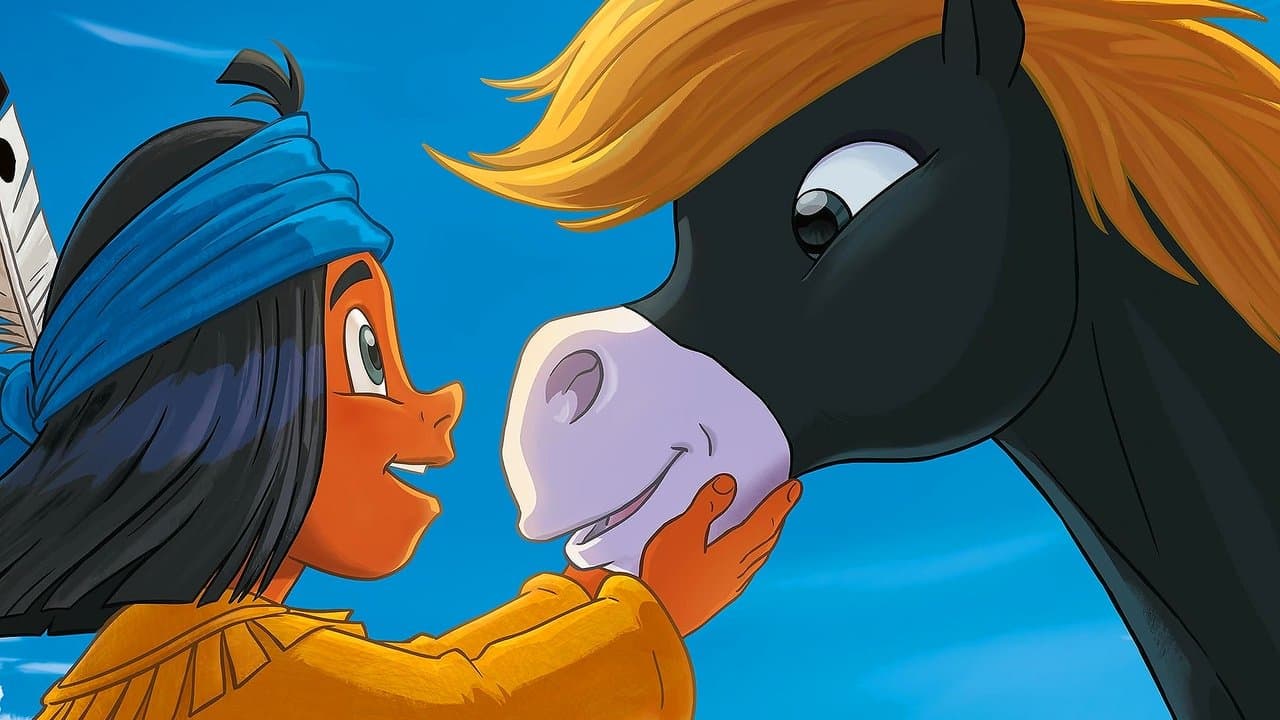
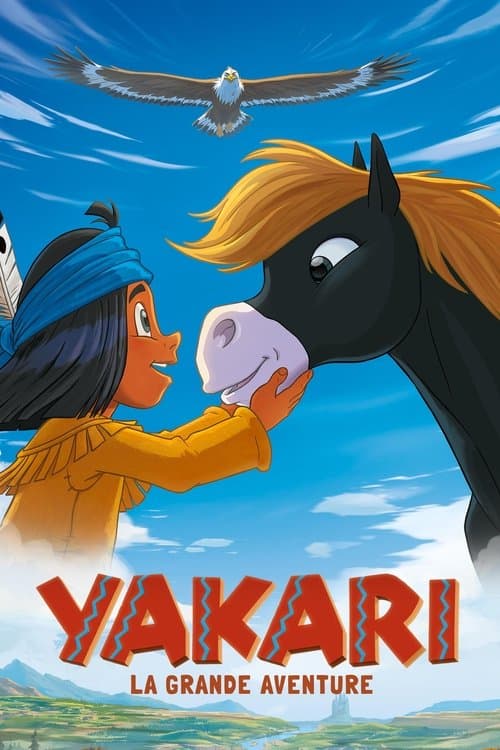
Yakari: The Great Adventure is an adventurous and luminous animated film, tinged with mysticism and tenderness, which follows a young Sioux boy setting out in search of a wild horse to complete his initiation. The plot weaves together natural trials, animal encounters and self-discovery within a setting of vast plains and spectacular landscapes. The film is primarily aimed at children from six years old and functions fully as a family initiation tale, accessible to multiple generations.
Discrimination
The representation of the Sioux rests on a generic and romanticised vision that distinguishes no real tribe nor any specific cultural trait. The resort to a spiritual guide in the form of a talking eagle and the magical ability to communicate with animals perpetuates an age-old stereotype: that of the Native American mystical by nature, in intuitive fusion with the cosmos. These elements are never questioned by the narrative; they constitute instead its emotional and symbolic engine. The antagonists, presented as hunters driven by greed, are likewise drawn in univocal fashion, without depth. This is a useful angle to open with an inquisitive child: what one sees on screen is a constructed image, not a faithful portrait of a real people.
Violence
The film includes several sequences of genuine physical tension: a tornado with falling stones, being swept away by rapids, a chase through a crevasse and a direct confrontation with an antagonist. These scenes are properly handled from a narrative standpoint, each danger serving to demonstrate the hero's growing competence, but their intensity can overwhelm very young children sensitive to situations of threat or isolation. There is neither blood nor graphic violence, and the resolutions remain positive. Fear is rather the driving force than visual shock.
Underlying Values
The film strongly values individual autonomy: Yakari succeeds where the adults of his tribe have failed, and his success is presented as proof of a personal gift confirmed by a supernatural guide. This pattern of the mystic chosen one merits discussion with the child, as it can instil the idea that some are destined to succeed by grace rather than by work or cooperation. In counterpoint, the film defends a respectful relationship with animals by explicitly establishing the difference between possession and friendship, which constitutes a genuine ethical message consistent with the narrative. Protection by adults and the importance of family also occupy a sincere place in the plot.
Parental and Family Portrayals
Yakari's parents are present and actively anxious throughout the film. Their anguish at their son's disappearance is shown with seriousness, which anchors the narrative in a reassuring family context despite the trials. They are neither absent nor dysfunctional, but their momentary helplessness is precisely what allows the hero to exist. This temporary reversal of parental protection is constitutive of the initiation narrative and offers the child a symbolic space in which to imagine themselves as capable.
Social Themes
The relationship with wild animals and the refusal of their domination run through the entire film with clear thematic coherence. Without veering into activism, the narrative poses the question of respect for non-human life in a concrete and narrative way. Nature itself, alternately protective and threatening, is treated as a space to be read and respected rather than conquered.
Strengths
The film derives genuine benefit from its fidelity to the graphic universe of the original albums by Derib and Job, which grants it visual coherence and emotional continuity for parents who grew up with Yakari. The writing of the main character avoids the easy route of the invincible hero: Yakari is afraid, doubts and makes mistakes, which makes his journey legible for a child. The initiation narrative is structured with care, each trial having a function in the character's construction. On an emotional level, the film treats the attachment between a child and an animal with a sincerity that transcends mere commercial appeal.
Age recommendation and discussion points
The film is suitable from six years old, with parental presence recommended for children between five and seven years old who might be sensitive to scenes of tension or isolation. Two angles of discussion are worth pursuing after viewing: asking the child whether what they saw resembles the real life of the Sioux or an invented image, and asking them what distinguishes, in their view, having a friend from owning something.
Synopsis
With his tribe's move to follow the migrating bison, Yakari, the little Sioux boy, sets out on his own to follow the trail of Little Thunder, a wild mustang said to be untameable. Travelling far from home and deep into the territory of the terrible cougarskins, Yakari and Little Thunder undertake a great adventure and find their way back home.
About this title
- Format
- Feature film
- Year
- 2020
- Runtime
- 1h 22m
- Countries
- Belgium, France, Germany
- Original language
- FR
- Studios
- Bac Films, Dargaud Média, WunderWerk, Belvision, France 3 Cinéma, WDR, Gao Shan Pictures, Leonine Studios, France Télévisions, Canal+, Ciné+
Content barometer
- Violence2/5Moderate
- Fear3/5Notable tension
- Sexuality0/5None
- Language0/5None
- Narrative complexity1/5Accessible
- Adult themes0/5None
Watch-outs
- Ethnic or racial stereotypes
Values conveyed
- Courage
- Friendship
- Compassion
- Autonomy
- helpfulness
- respect for animals