Winx Club: The Magic Is Back
Does this age rating seem accurate to you?
Detailed parental analysis
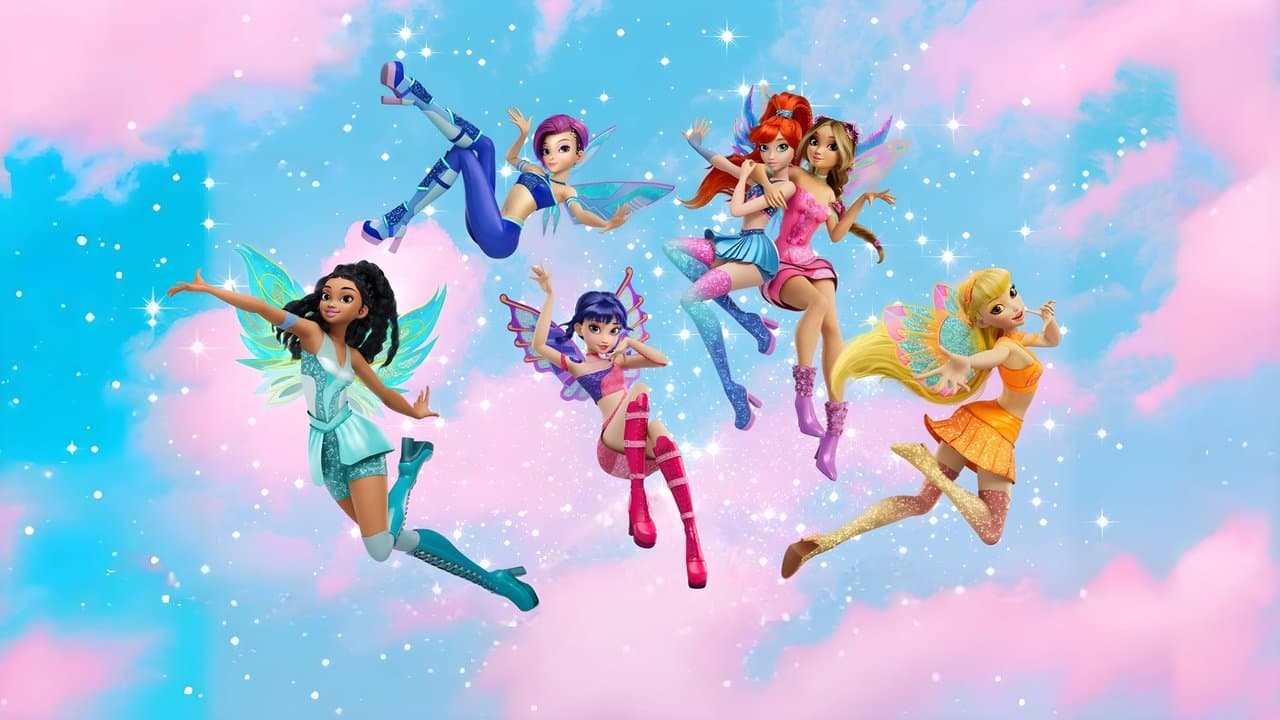
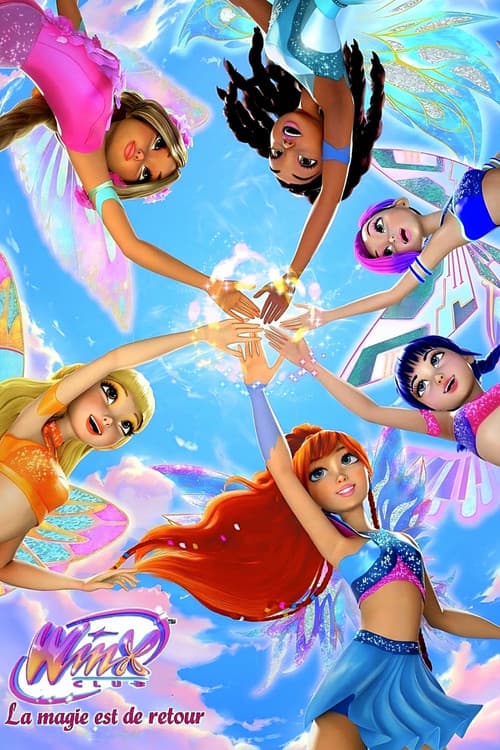
Winx Club: The Magic is Back is a fantasy animation series with a colourful and engaging atmosphere, characterised by luminous aesthetics and enchanting settings. The plot follows Bloom, a sixteen-year-old girl who discovers she is a fairy and joins the magical school of Alfea, where she forms strong bonds with five other fairies whose powers complement one another. The series is primarily aimed at children from seven years old and pre-adolescent girls, drawing on the nostalgia of fans of the original franchise.
Underlying Values
The series builds its narrative around self-discovery, acceptance of one's uniqueness and the power of female friendship. The six protagonists embody values of courage, mutual support and self-affirmation: they face challenges together rather than in competition, and their differences are presented as a collective strength. These messages are conveyed consistently and constitute the true emotional drive of the series. One character, Stella, displays a marked concern for appearance and material possessions, but her friends regularly correct her, making this a narrative device rather than an endorsed model.
Violence
Confrontations between the fairies and their adversaries, notably the three witches Trix, are frequent and drive the action. They take the form of duels with magical rays, ice and fire, without blood or visible injury. Threatening creatures, ogres and changelings, are systematically put to flight without serious consequences for any character. Violence therefore remains spectacular but entirely undramatised, in keeping with the conventions of the genre for this age group.
Discrimination
The protagonists display unrealistic anatomical proportions, with very slender silhouettes and elongated legs that correspond to no real body shape. This aesthetic is structural and omnipresent throughout the series: it deserves to be discussed with children, particularly girls, to prevent it from being internalised as a norm. Furthermore, characters of colour occupy a secondary place in the narrative, without the series questioning or commenting on this erasure.
Language
The verbal register remains appropriate for young audiences. The witches Trix formulate repeated threats and verbal hostility towards the Winx, but without vulgarity or serious insults. These conflictual exchanges are consistent with the antagonistic dynamic of the series and do not exceed what one would expect of the genre.
Strengths
The series offers an accessible narrative framework that addresses questions of identity and self-confidence with clarity suited to young viewers. The group dynamic between the six fairies works well and gives each character a distinct personality, which facilitates identification. For children discovering the franchise, the series constitutes a readable introduction to a rich fantasy universe. Parents who grew up with the original version will note, however, that the pace is faster and the narrative development more superficial than in the 2000s series.
Age recommendation and discussion points
The series is suitable from seven years old, in accordance with its official classification, and is appropriate without major reservation for this age group. Two angles merit discussion after viewing: first, the silhouettes of the characters and what they represent in relation to real bodies; secondly, what it means to be different and why the series presents this difference as a strength rather than an obstacle.
Synopsis
When Bloom discovers she has magic, her life takes a wild turn. At the Alfea school for fairies and witches, she meets five girls who become her best friends — and her greatest strength. Together, they’re the Winx. As dark secrets rise and powerful enemies close in, the Winx will need to unlock their true potential to protect their world — and themselves.
About this title
- Format
- TV series
- Year
- 2025
- Countries
- Italy, Spain
- Original language
- IT
- Directed by
- Iginio Straffi
- Main cast
- Letizia Ciampa, Perla Liberatori, Ilaria Latini, Gemma Donati, Domitilla D'Amico, Laura Lenghi, Tatiana Dessi, Valeria Vidali, Federica De Bortoli, Alessandro Quarta
- Studios
- Rainbow, Hampa Animation Studio
Content barometer
- Violence1/5Mild
- Fear1/5Mild
- Sexuality0/5None
- Language0/5None
- Narrative complexity1/5Accessible
- Adult themes0/5None
Watch-outs
- Gender stereotypes