


Winnie the Pooh: Springtime with Roo


Winnie the Pooh: Springtime with Roo
Your feedback improves this guide
Your feedback highlights guides that need a second look and keeps the rating trustworthy.
Does this age rating seem accurate to you?
Sign in to vote
What this film brings
Content barometer
Violence
0/5
None
Fear
1/5
Mild
Sexuality
0/5
None
Language
0/5
None
Narrative complexity
0/5
Simple
Adult themes
0/5
None
Detailed parental analysis
ⓘ- Underlying Values
- Parental and Family Portrayals
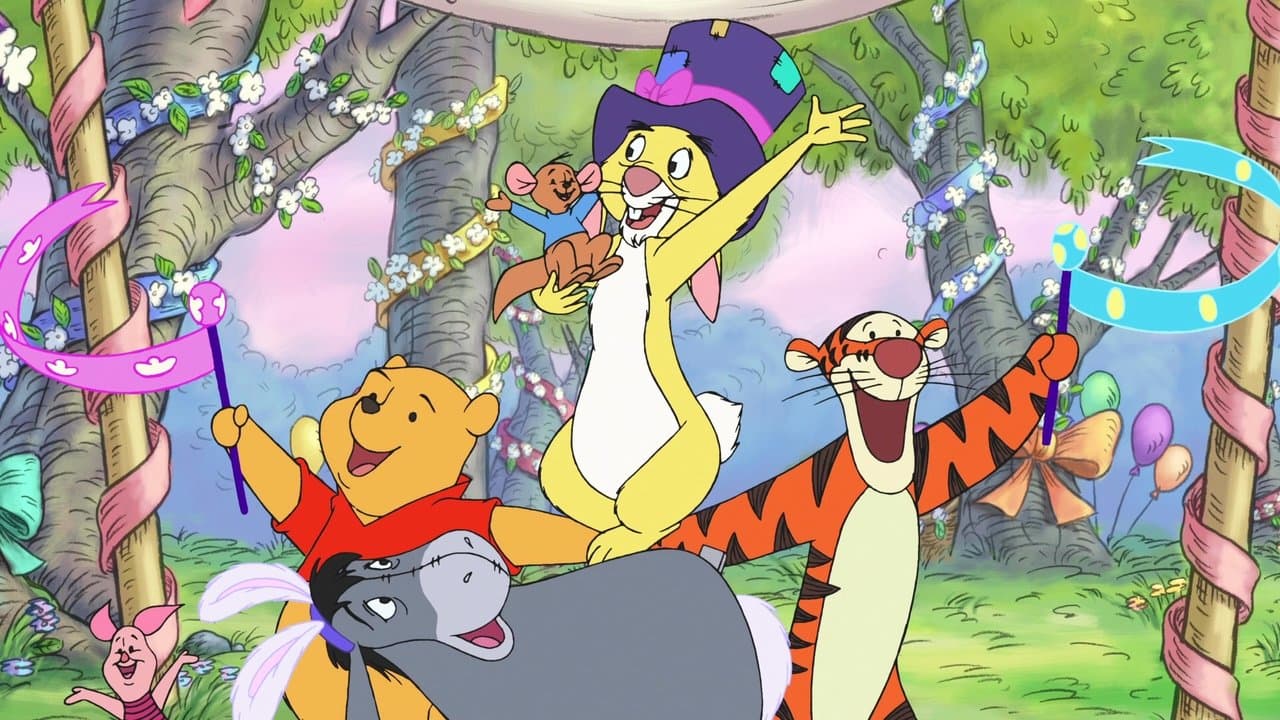
Winnie the Pooh: Springtime with Roo is a cheerful and colourful animated short film, tinged with a subtle melancholy in certain sequences. The story follows young Roo and his friends as they attempt to convince Rabbit, who is determined to cancel the Easter egg hunt, to rediscover the spirit of celebration and generosity. The film is aimed primarily at very young children, from nursery age onwards, and constitutes unambiguous family viewing.
Underlying Values
The film builds its central message around a tension between control and generosity. Rabbit embodies an authoritarian and rigid character, obsessed with order and his own rules to the point of crushing collective joy. The narrative opposes this with a vision of the world in which friendship and sharing take precedence over conformity to rules. This message is sound and well articulated, but it merits a nuanced conversation with the child: obeying rules is not in itself a bad thing, and the distinction between sterile rigidity and a benevolent framework can be useful to clarify. The sequence in which Rabbit glimpses a solitary future, a direct consequence of his behaviour, is the most morally charged moment in the film and the most conducive to discussion.
Parental and Family Portrayals
Rabbit plays the role of a dysfunctional authority figure within the group of friends. He imposes his decisions, rejects the others and refuses to listen. The film clearly shows him as a counter-model, without demonising him: his narrative arc is one of awakening and a return to kindness. Roo, for his part, embodies a form of gentleness and emotional perseverance that contrasts positively with Rabbit's attitude.
Strengths
The film succeeds in telling a simple and clear redemption story for very young children, without ever losing them or boring them. The sequence of the vision of the future, inspired by Dickens' A Christmas Carol, is an honest narrative find that gives the story a subtle depth without weighing down the whole. The character of Roo is particularly well written in his ability to maintain empathy towards someone who rejects him, which makes him a concrete and accessible behavioural model for a child. The film does not claim to be more than it is, and that is a quality in itself.
Age recommendation and discussion points
The film is suitable from age 3 onwards and can be watched peacefully as a family without particular reservations. After viewing, two angles of discussion are worth pursuing: ask the child why Rabbit was unhappy despite having organised everything his own way, and explore together the difference between having useful rules and being too rigid to leave room for others.
Synopsis
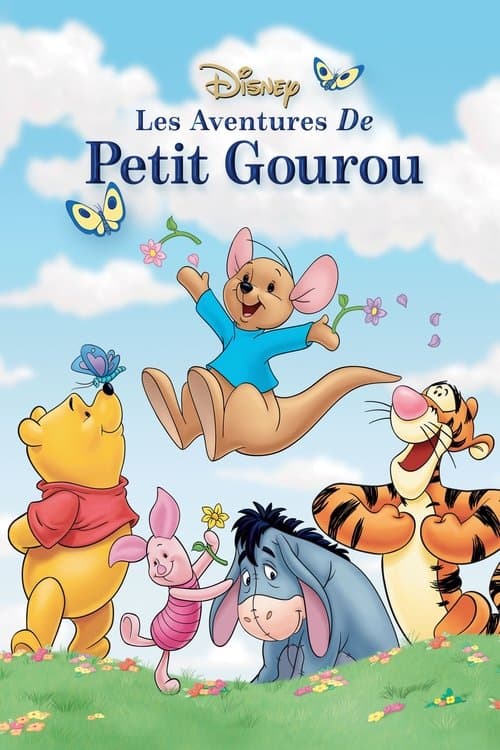
Spring has sprung, and baby Roo is excited to get out and explore and make new friends. But Rabbit seems preoccupied with spring cleaning, instead of embracing his usual role of playing Easter Bunny. Leave it to Roo to show Rabbit -- through love -- that it's more important who you love and not who's in charge.
Where to watch
No verified platform for the US market yet. We keep this section updated as availability changes.
Availability checked on Apr 01, 2026
About this title
- Format
- Feature film
- Year
- 2004
- Runtime
- 1h 5m
- Countries
- United States of America
- Original language
- EN
- Studios
- Disney Television Animation, DisneyToon Studios
Content barometer
Violence
0/5
None
Fear
1/5
Mild
Sexuality
0/5
None
Language
0/5
None
Narrative complexity
0/5
Simple
Adult themes
0/5
None
Detailed parental analysis
ⓘ- Underlying Values
- Parental and Family Portrayals
Winnie the Pooh: Springtime with Roo is a cheerful and colourful animated short film, tinged with a subtle melancholy in certain sequences. The story follows young Roo and his friends as they attempt to convince Rabbit, who is determined to cancel the Easter egg hunt, to rediscover the spirit of celebration and generosity. The film is aimed primarily at very young children, from nursery age onwards, and constitutes unambiguous family viewing.
Underlying Values
The film builds its central message around a tension between control and generosity. Rabbit embodies an authoritarian and rigid character, obsessed with order and his own rules to the point of crushing collective joy. The narrative opposes this with a vision of the world in which friendship and sharing take precedence over conformity to rules. This message is sound and well articulated, but it merits a nuanced conversation with the child: obeying rules is not in itself a bad thing, and the distinction between sterile rigidity and a benevolent framework can be useful to clarify. The sequence in which Rabbit glimpses a solitary future, a direct consequence of his behaviour, is the most morally charged moment in the film and the most conducive to discussion.
Parental and Family Portrayals
Rabbit plays the role of a dysfunctional authority figure within the group of friends. He imposes his decisions, rejects the others and refuses to listen. The film clearly shows him as a counter-model, without demonising him: his narrative arc is one of awakening and a return to kindness. Roo, for his part, embodies a form of gentleness and emotional perseverance that contrasts positively with Rabbit's attitude.
Strengths
The film succeeds in telling a simple and clear redemption story for very young children, without ever losing them or boring them. The sequence of the vision of the future, inspired by Dickens' A Christmas Carol, is an honest narrative find that gives the story a subtle depth without weighing down the whole. The character of Roo is particularly well written in his ability to maintain empathy towards someone who rejects him, which makes him a concrete and accessible behavioural model for a child. The film does not claim to be more than it is, and that is a quality in itself.
Age recommendation and discussion points
The film is suitable from age 3 onwards and can be watched peacefully as a family without particular reservations. After viewing, two angles of discussion are worth pursuing: ask the child why Rabbit was unhappy despite having organised everything his own way, and explore together the difference between having useful rules and being too rigid to leave room for others.
Synopsis
Spring has sprung, and baby Roo is excited to get out and explore and make new friends. But Rabbit seems preoccupied with spring cleaning, instead of embracing his usual role of playing Easter Bunny. Leave it to Roo to show Rabbit -- through love -- that it's more important who you love and not who's in charge.