Who Framed Roger Rabbit
Does this age rating seem accurate to you?
Detailed parental analysis
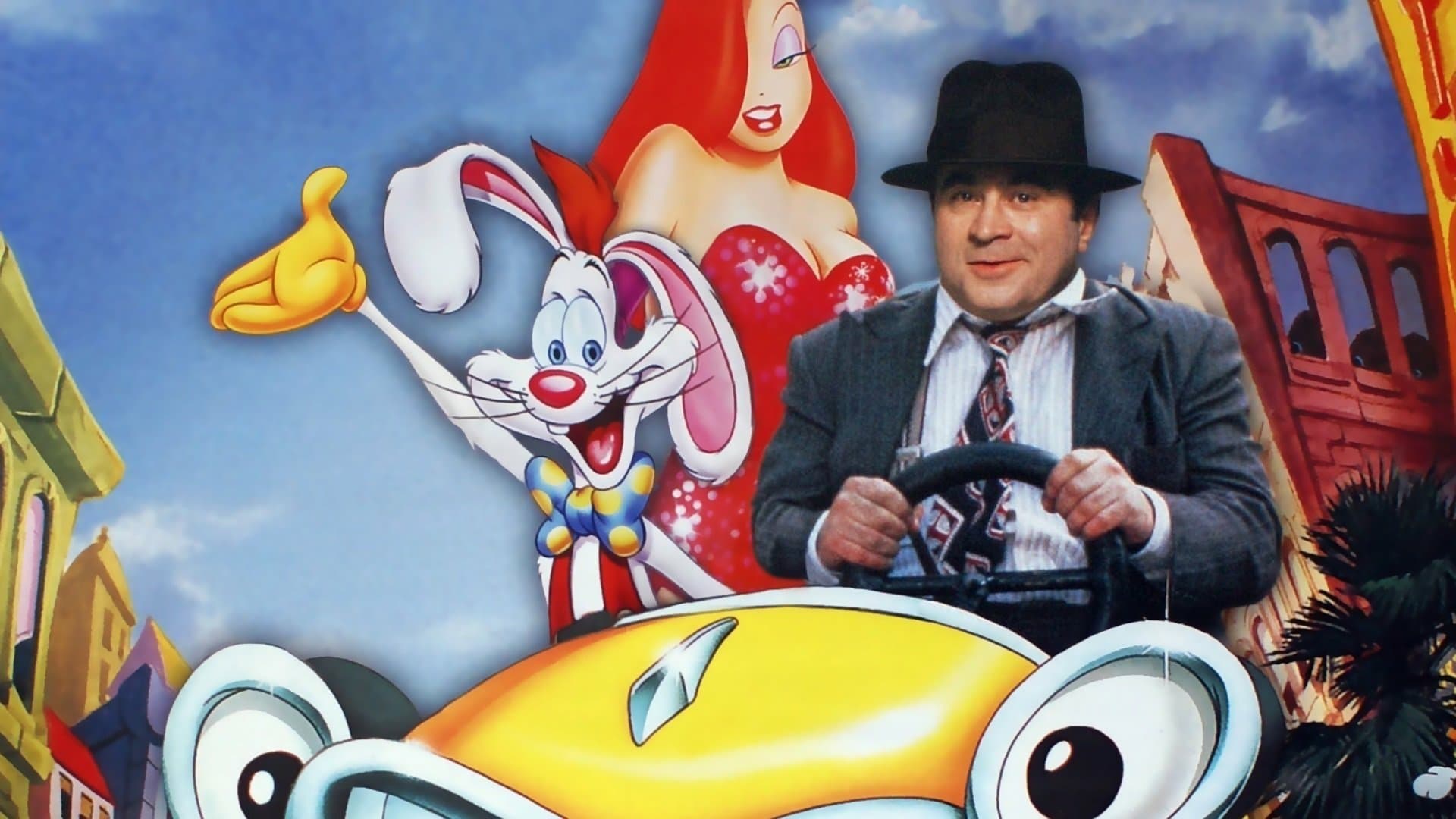
Who Framed Roger Rabbit is a comic noir film with a hybrid atmosphere, oscillating between the lightness of burlesque animation and the darkness of a 1940s crime thriller. A hard-drinking detective is hired to clear an animated rabbit accused of murder, and finds himself caught up in a conspiracy that threatens the entire Toon community. The film appears on the surface to target a family audience, but its actual content is better suited to children over 8 years old and adults, with an assumed layer of adult reading that very young children cannot yet filter out.
Violence
Violence is the most delicate aspect of the film for young children. Whilst the opening animated sequences are classic burlesque, the rest of the film gradually escalates in intensity. The scene of a living Toon shoe plunged into a deadly solvent, with audible cries of pain, is designed to be disturbing and genuinely is. The climax with Judge Doom, crushed and then slowly dissolving in the same solvent, constitutes a prolonged death sequence that is visually harrowing. This violence is not gratuitous in narrative terms: it serves to establish the real threat hanging over the Toons and to give moral weight to the stakes. But for a child under 7 or 8 years old, the distinction between harmless cartoon violence and genuinely threatening violence is not yet accessible, and these scenes can trigger nightmares.
Substances
Detective Eddie Valiant's alcoholism is a thread running through the film, not a background detail. He drinks whisky repeatedly, his addiction is presented as the consequence of trauma, and his arc of redemption involves regaining his abilities by pulling himself together. The film does not glorify alcohol: it shows its degrading effects on the character's professional and personal life. This is a useful angle for discussion with a child or teenager, precisely because the consumption is visible and recurring without being presented as cool.
Sex and Nudity
Jessica Rabbit is a deliberately hypersexualised character, designed to embody the femme fatale archetype of film noir. Her silhouette, voice and mannerisms are explicitly sensual. Several lines in the film play on double entendres with sexual connotations, some of which are quite direct for a film rated for general audiences. These elements generally go over the heads of young children, but are perfectly readable for pre-teens and adults. It is not explicit content, but it is an assumed hypersexualisation of a female character that deserves to be named and discussed with a teenager.
Underlying Values
The film builds a message of tolerance and coexistence between two communities that are opposed in every way, humans and Toons, in a context of urban segregation and threat of extermination. This message is sincere and well integrated into the narrative. Eddie Valiant's arc, which moves from irrational hatred to active solidarity, gives the film a solid moral backbone. Redemption is presented as a difficult process, rooted in grief and responsibility, which gives it real depth for a mainstream film.
Social Themes
The segregation metaphor is readable from the opening scenes: Toons are confined to Toontown, treated as second-class citizens, and Judge Doom's conspiracy aims at their systematic elimination in favour of a property development project. The film uses the codes of 1940s film noir to speak of discrimination, land speculation and the destruction of a communal way of life. These themes are not didactic but they are present, and a curious teenager can read a coherent social critique into them.
Strengths
The film pulls off a rare technical and narrative feat: integrating animated characters into a live-action universe in a completely credible way, in service of a story that works on multiple levels of reading simultaneously. The writing draws intelligently on the codes of classic film noir, making it a natural gateway into this genre for a teenager. The construction of Eddie Valiant's character is more subtle than it appears: his alcoholism, his grief and his transformation are treated with a psychological coherence that is unusual for a film of this kind. The film also offers an immersion into American cartoon culture from the 1930s to 1950s, with numerous references to iconic characters that can fuel the curiosity of a child or teenager.
Age recommendation and discussion points
The film is not recommended for children under 7 years old due to several genuinely frightening scenes, and can be considered suitable from 8 or 9 years old for children without great sensitivity to violent imagery. With a teenager, two angles of discussion naturally present themselves: why the film chooses to show alcoholism as a consequence of grief rather than as a character trait, and what the metaphor of segregated Toons says about the way societies treat those they consider different or inferior.
Synopsis
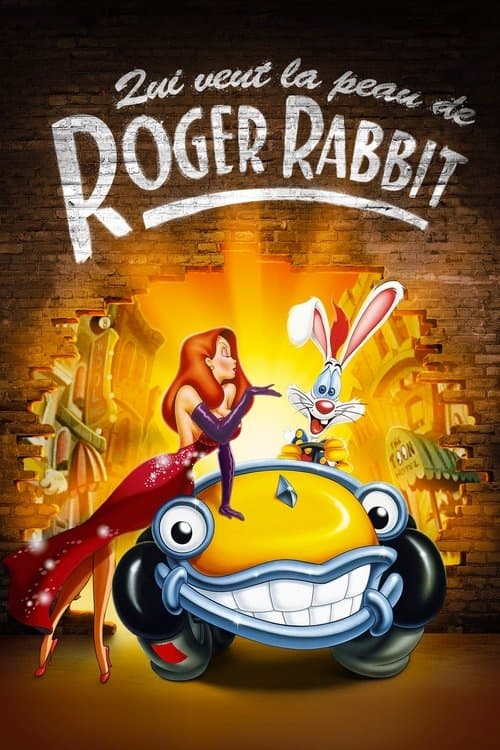
'Toon star Roger is worried that his wife Jessica is playing pattycake with someone else, so the studio hires detective Eddie Valiant to snoop on her. But the stakes are quickly raised when Marvin Acme is found dead and Roger is the prime suspect.
About this title
- Format
- Feature film
- Year
- 1988
- Runtime
- 1h 43m
- Countries
- United States of America
- Original language
- EN
- Studios
- Amblin Entertainment, Silver Screen Partners III, Touchstone Pictures
Content barometer
- Violence3/5Notable
- Fear4/5Intense
- Sexuality2/5Mild
- Language1/5Mild
- Narrative complexity2/5Moderate
- Adult themes3/5Marked
Values conveyed
- Courage
- Acceptance of difference
- Forgiveness
- friendship
- redemption
- loyalty
- justice