
Watership Down
Does this age rating seem accurate to you?
Detailed parental analysis
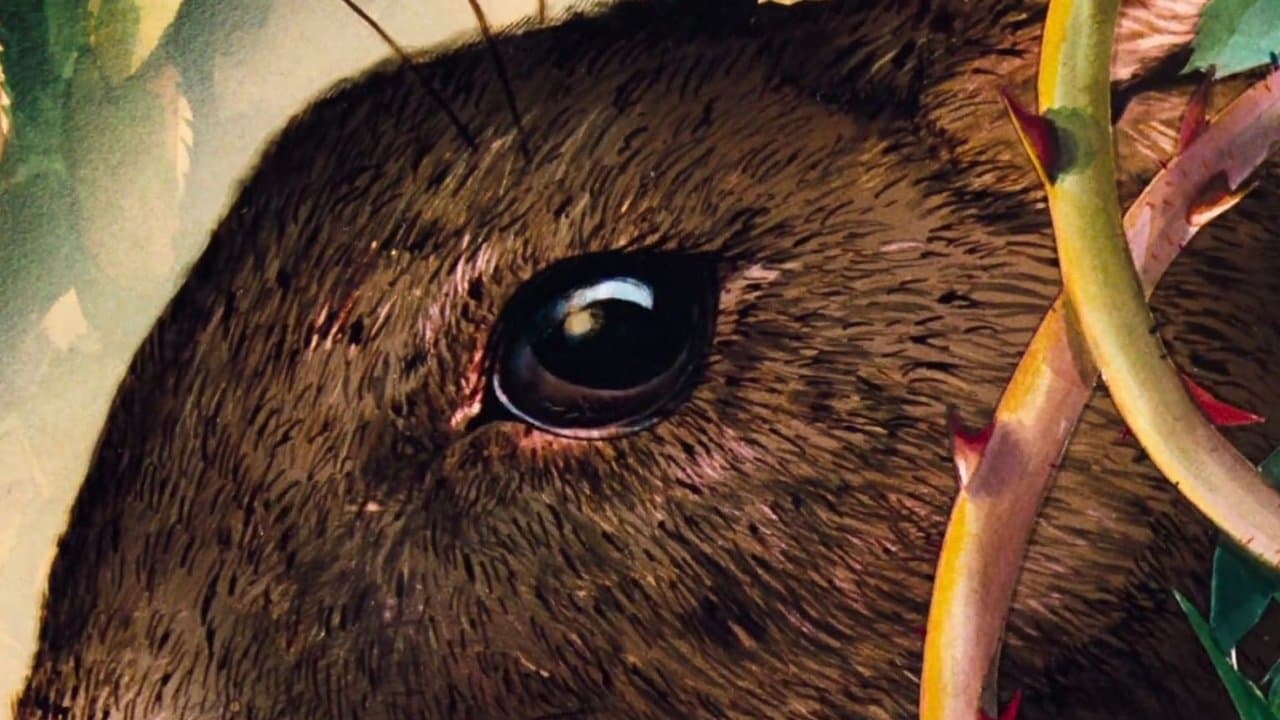
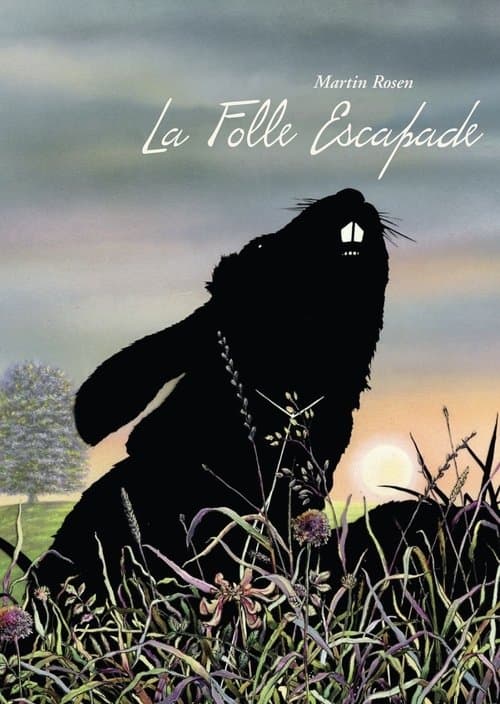
Watership Down is a British animated film with a dark and often oppressive atmosphere, despite artistic direction of great naturalistic beauty. The plot follows a group of rabbits fleeing their burrow threatened with destruction to find a new home, facing predators, humans and authoritarian regimes along the way. The film presents itself visually as a work for children, but its content unambiguously targets an audience of adolescents and adults.
Violence
Violence is the central point of friction in the film and the primary reason it has left a lasting mark on generations of viewers. Predation scenes are graphic and realistic: attacks by birds of prey, dogs and cats with visible blood, rabbits mutilating each other in combat, ears torn off, gaping scars. One rabbit is shot by a rifle, another struggles in a snare whilst strangling itself. Rabbits are buried alive under tonnes of sand during construction work. This violence is not gratuitous in the strict sense: it serves a vision of the world that refuses to soften nature and death. But its visual intensity, repeated and without mitigation, far exceeds what a young child can absorb without being traumatised by it.
Social Themes
The film carries two social issues with genuine narrative force. On one hand, the destruction of the natural environment by property speculation is the trigger for the entire story: the rabbits flee a burrow condemned by developers, and human indifference to animal life is shown without restraint. On the other, the film constructs an explicit critique of totalitarianism through the burrow of Efrafa, run by General Woundwort according to principles of surveillance, absolute control and suppression of all dissent. This political parallel is readable from adolescence onwards and offers a concrete entry point for discussions about authoritarian regimes.
Underlying Values
The narrative consistently values collective courage, loyalty amongst group members and the capacity to cooperate in the face of adversity. Survival is never the achievement of a solitary hero but of a community that pools its skills. In counterpoint, the film presents freedom as a fundamental value, opposed to the illusory security of an authoritarian order. Death is treated as an inevitable and dignified reality, not as a punishment or taboo, which constitutes a rare and potentially valuable message for adolescents capable of receiving it.
Parental and Family Portrayals
The film does not develop parental figures in the human sense, but the structure of the rabbit group rests on figures of authority and guidance. Hazel, the protagonist, embodies leadership founded on listening and trust rather than force, in direct opposition to Woundwort whose authority is purely coercive. This contrast between two models of authority is sufficiently explicit to be discussed with an adolescent.
Language
The language is broadly neutral, with the exception of a bird that tells the rabbits to clear off with an unambiguous 'piss off', and a few instances of 'damn' and 'hell'. These elements are incidental and of no particular significance.
Strengths
The film is a faithful and ambitious adaptation of Richard Adams' novel, and its strength lies in its absolute refusal to condescend to the viewer. The narrative is constructed with a rigour rare for an animated film: the characters have coherent psychology, the stakes are real, the consequences of choices are followed through to the end. The soundtrack, notably the song Bright Eyes, contributes to an emotional atmosphere of unusual intensity. From an educational standpoint, the film offers a concrete introduction to notions such as tyranny, collective resistance, death as an integral part of life, and human responsibility towards nature. It is precisely because it does not lie that the film remains so powerful and so difficult.
Age recommendation and discussion points
The film is absolutely not recommended before the age of 10, and a comfortable viewing experience is better situated around 12 to 13 years old, depending on the child's maturity and capacity to handle violent images and an atmosphere of omnipresent death. After viewing, two angles of discussion naturally present themselves: why do the humans in the film not see the rabbits as beings whose lives matter, and what does this say about our relationship with animals and nature? And also: in what ways does the burrow of Efrafa resemble regimes we know from history, and why do some rabbits prefer to stay there despite everything?
Synopsis
When the warren belonging to a community of rabbits is threatened, a brave group led by Fiver, Bigwig, Blackberry and Hazel leave their homeland in a search of a safe new haven.
Where to watch
Availability checked on May 04, 2026
About this title
- Format
- Feature film
- Year
- 1978
- Runtime
- 1h 32m
- Countries
- United Kingdom
- Original language
- EN
- Directed by
- Martin Rosen
- Main cast
- John Hurt, Richard Briers, Michael Graham Cox, John Bennett, Ralph Richardson, Simon Cadell, Terence Rigby, Roy Kinnear, Richard O'Callaghan, Denholm Elliott
- Studios
- Nepenthe Productions, Watership Productions