Wallace & Gromit: The Curse of the Were-Rabbit
Does this age rating seem accurate to you?
Detailed parental analysis
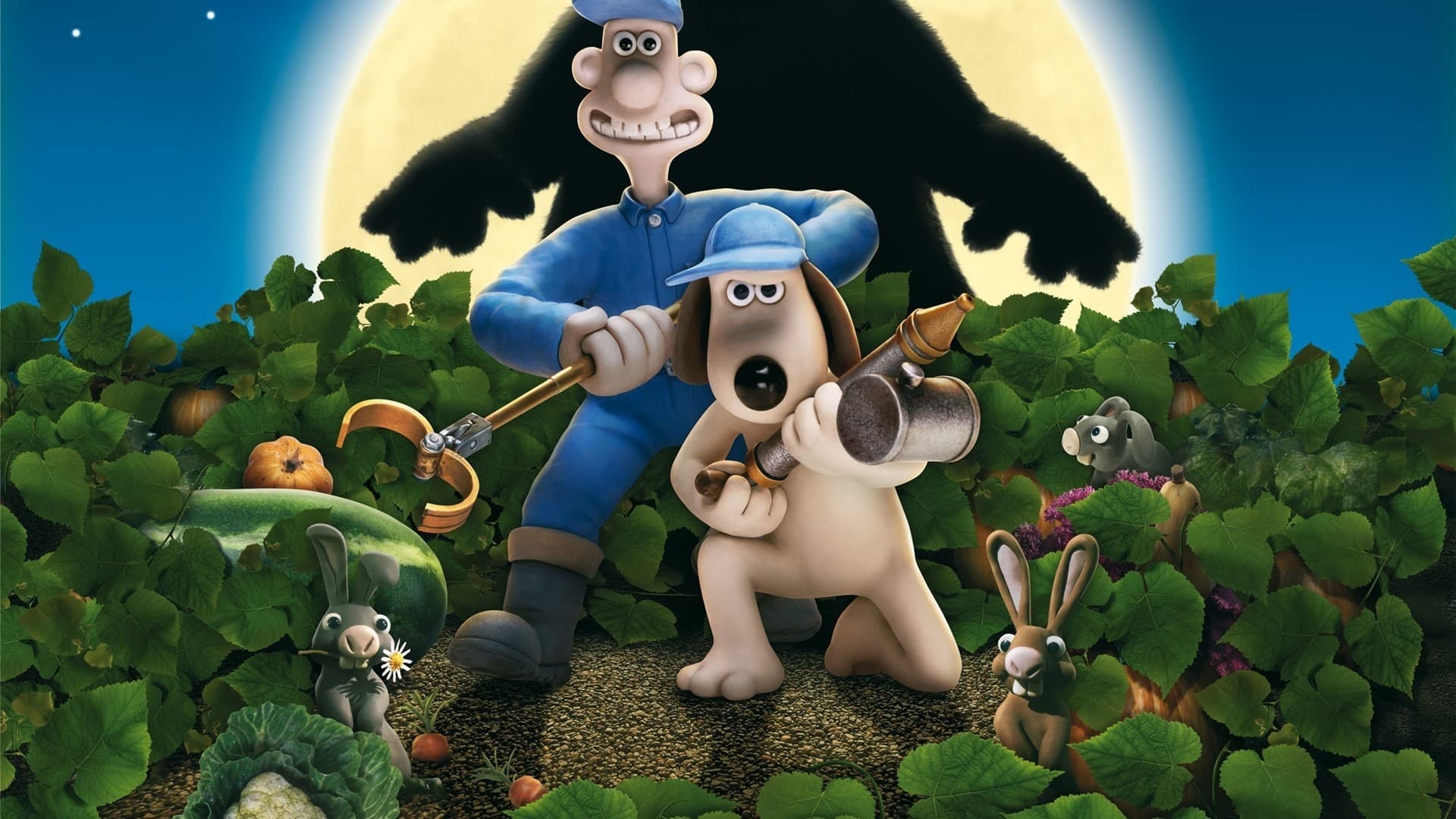
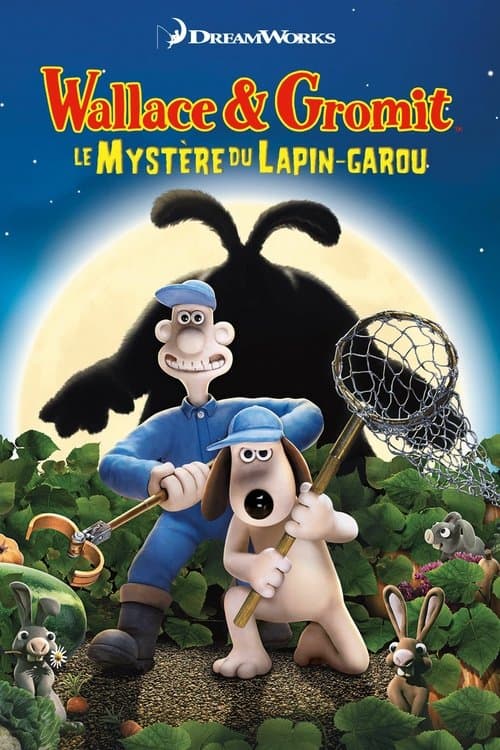
Wallace & Gromit: The Curse of the Were-Rabbit is a stop-motion animated comedy with a cheerful yet slightly eerie tone, affectionately parodying the codes of the classic horror film. The plot follows Wallace, a bumbling inventor, and his dog Gromit, who must protect the village gardens from a mysterious giant creature before the annual vegetable competition. The film aims for a broad family audience, but its nocturnal atmosphere and transformation sequences are calibrated more for school-age children than for the very young.
Violence
Violence remains firmly in the register of cartoon and parody, never veering into gore. The were-rabbit transformation sequences faithfully adopt the codes of the classic werewolf: fur, fangs, claws, an elongating snout. A fleeting image of a beheaded cow-beast's head in a church book is the only frankly unpleasant element, a brief flash but liable to unsettle a child under five. Rifles, an axe, physical scuffles and falls all belong to the well-defined slapstick register, where comic intent is always clear. The villain, Victor, shoots at rabbits without success repeatedly, which deliberately deflates these scenes through absurdity.
Underlying Values
The film builds its narrative around a sincere respect for life: Wallace and Gromit's enterprise captures rabbits without killing them, which constitutes a central and not incidental ethical stance. The character of Victor embodies the opposite logic, that of destruction as a quick solution, and he pays the price for it. The vegetable competition and the villagers' pride in their gardens might suggest a form of social conformity, but the film mocks it enough to defuse any moralising reading. Gromit's unconditional loyalty to Wallace, even when Wallace is badly mistaken, is the film's true emotional engine.
Sex and Nudity
Sexual innuendos are present and deliberate, but always treated as adult gags that fly over children's heads. Lady Tottington holds two melons at chest height in a suggestive posture, a naked man carries a box marked 'may contain nuts', and a rabbit puppet dances to striptease music. These winks are crafted to amuse parents without children intercepting them, which is precisely the mechanics of well-written family animation. There is no explicit nudity or sexual scenes.
Strengths
The film is a model of dual-register writing: each scene functions simultaneously as visual gag for the child and as parodic reference for the adult, without the two registers undermining each other. The stop-motion animation is remarkably expressive, particularly in Gromit's silent characterisation, a character without dialogue whose every raised eyebrow is worth a monologue. The horror film parody is affectionate and precise, making it an entertaining entry point to this film genre for curious children. The humour is refined, inventive, never gratuitous, and the pacing is controlled from start to finish.
Age recommendation and discussion points
The film is fully suitable from age 6 onwards, and particularly rewarding between 7 and 12 years old. For younger children or those particularly sensitive to nocturnal atmospheres, a first viewing with an accompanying adult is still recommended. Two useful discussion angles after the film: why Wallace and Gromit choose not to kill the rabbits, and how this changes their way of solving the problem; and what distinguishes a true villain from a simply ridiculous character like Victor.
Synopsis
Cheese-loving eccentric Wallace and his cunning canine pal Gromit run a business ridding the town of garden pests. Using only humane methods, which turns their home into a halfway house for evicted vermin, the pair stumble upon a mystery involving a voracious vegetarian monster that threatens to ruin the annual veggie-growing contest.
About this title
- Format
- Feature film
- Year
- 2005
- Runtime
- 1h 25m
- Countries
- United Kingdom, United States of America
- Original language
- EN
- Directed by
- Steve Box, Nick Park
- Main cast
- Peter Sallis, Ralph Fiennes, Helena Bonham Carter, Peter Kay, Nicholas Smith, Liz Smith, John Thomson, Mark Gatiss, Vincent Ebrahim, Geraldine McEwan
- Studios
- Aardman, DreamWorks Animation
Content barometer
- Violence2/5Moderate
- Fear2/5A few scenes
- Sexuality1/5Allusions
- Language0/5None
- Narrative complexity1/5Accessible
- Adult themes0/5None
Watch-outs
- Violence
Values conveyed
- Courage
- Friendship
- Acceptance of difference
- Compassion
- Loyalty
- teamwork
- ingenuity