W.I.T.C.H.
Does this age rating seem accurate to you?
Detailed parental analysis
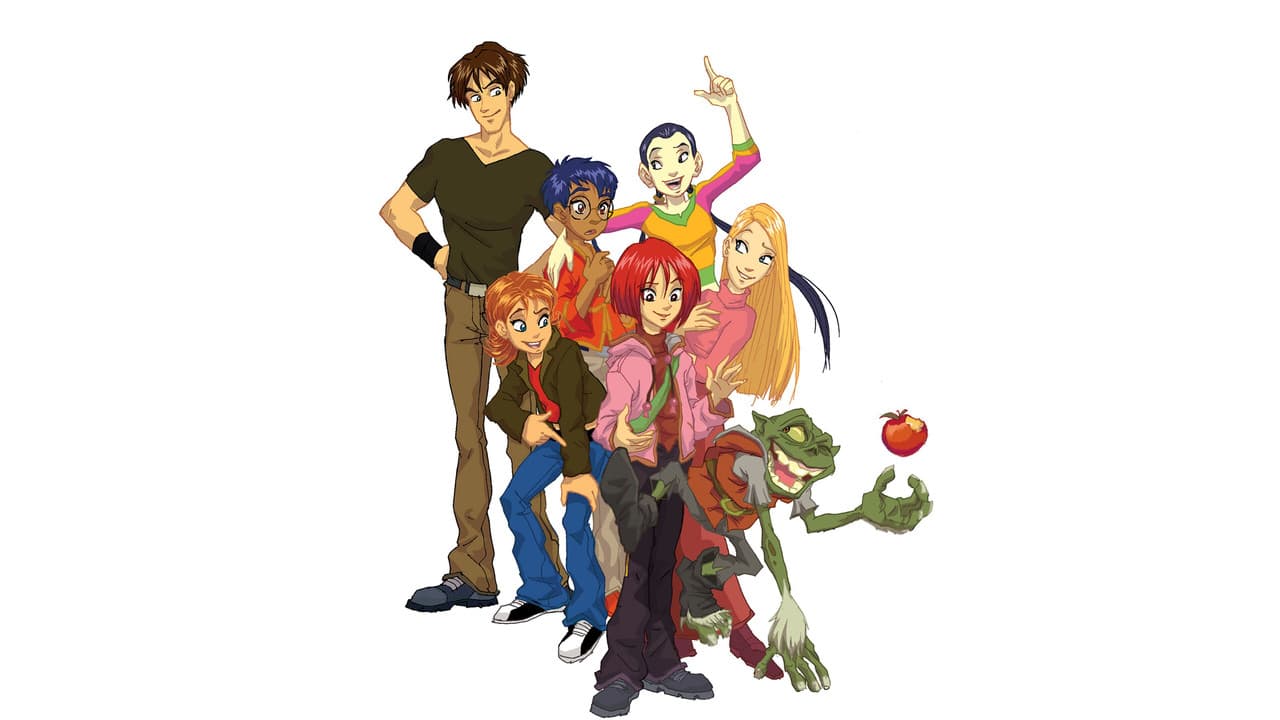
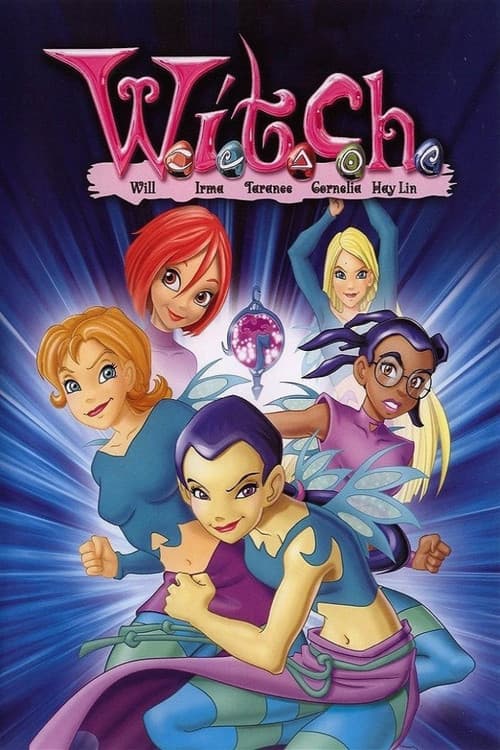
W.I.T.C.H. is an animated adventure and fantasy series with a generally bright atmosphere, punctuated by action sequences, which follows five teenage girls endowed with elemental powers tasked with protecting a parallel world threatened by evil forces. The narrative intertwines the heroic responsibilities of the protagonists with the ordinary concerns of high school life, creating a dual tension between fantastical adventure and teenage everyday life. The intended audience is clearly children from age 7 onwards, with accessibility that extends without difficulty into early adolescence.
Underlying Values
The narrative structure rests on a clear opposition between good and evil, without much moral ambiguity: the heroines are defined by their courage, mutual loyalty and sense of duty. Friendship is presented as the central resource that allows obstacles to be overcome, both in fantastical missions and in school or family tensions. Independent thinking is valued, with characters acting from conviction rather than obedience to external authority. This moral clarity is reassuring for young viewers, but it leaves little room for ethical nuance: difficult choices remain rare and dilemmas are quickly resolved.
Violence
Violence remains within the bounds of children's adventure animation: confrontations with fantastical creatures, use of elemental powers, physical threats expressed without realistic consequences or bloodshed. The intensity is moderate and the narrative outcome is clear, with violence serving to illustrate the conflict between good and evil rather than to provoke a genuine sense of danger. For a child aged 7 and above, the level is entirely manageable, especially as the heroines consistently come through unscathed.
Parental and Family Portrayals
Parental figures are present but often relegated to the background, with the heroines managing their adventures in relative autonomy. This configuration, typical of the adolescent fantasy genre, implicitly reinforces the idea that young protagonists are capable of making important decisions without adult help. This is a narrative device worth mentioning, without overstating its significance: it is not an explicitly anti-authority message, but rather an emancipation logic that may warrant a brief discussion about the place of parents and trusted adults in solving real problems.
Sex and Nudity
Romantic relationships between teenagers are addressed in a light, age-appropriate manner: kisses, embraces, budding feelings. Nothing suggestive or inappropriate for the intended audience. This treatment can even provide a natural entry point for discussing first romantic emotions with a child who is beginning to take an interest in such matters.
Discrimination
Some secondary characters are built on stereotypical traits, without the series seeking to subvert or question them. These shortcuts remain relatively unobtrusive in the overall narrative economy, but can be an opportunity to note with a child that a character is sometimes reduced to a single character trait, and to question what this says about the way we represent people.
Strengths
The series successfully maintains two registers in parallel without one overshadowing the other: fantastical adventure and adolescent chronicle feed one another, giving the characters a relational depth that is rare in this type of production. The five heroines have distinct and complementary personalities, which avoids a monolithic group and allows very different children to identify with one or another. The team dynamic, with its tensions and solidarities, offers concrete ground for discussing what it means to be a good friend. On the narrative level, the articulation between ordinary life and extraordinary missions gives the story an emotional anchor that makes it more memorable than a simple series of action sequences.
Age recommendation and discussion points
The series is fully appropriate from age 7 onwards, in line with its classification, and can be watched as a family without reservation until the transition to secondary school. After viewing, two lines of discussion are worth exploring: ask the child how the heroines make their decisions and whether they could have discussed them with adults, and explore with them what they think about friendship as a force in difficult situations, making the connection with their own experience.
Synopsis
The Guardians must save Meridian from the evil sorcerer Phobos and Cedric who are searching for Phobos' sister, the long lost princess of Meridian and true heir to the throne. They later find her and the Guardians then set about saving her from Phobos. When Meridian is freed from evil and true heir takes the throne, a new mysterious sorceress named Nerissa frees Phobos' top henchmen and reforms them as the Knights of Vengeance. Once the Guardians learn more about the sorceress and her evil plan of reuniting former Guardians, they are able to defeat the Knights only to have more powerful Knights, in addition to the former Guardians attack them.
About this title
- Format
- TV series
- Year
- 2004
- Runtime
- 20m
- Countries
- France, Netherlands, United States of America
- Original language
- EN
- Directed by
- Elisabetta Gnone, Gary Tomlin
- Main cast
- Kelly Stables, Candi Milo, kittie KaBoom, Liza del Mundo, Christel Khalil, Serena Berman, Dee Bradley Baker, Greg Cipes, Jason Marsden, Mitchell Whitfield
- Studios
- SIP Animation, Jetix Europe, The Walt Disney Company
Content barometer
- Violence1/5Mild
- Fear1/5Mild
- Sexuality1/5Allusions
- Language0/5None
- Narrative complexity1/5Accessible
- Adult themes0/5None
Watch-outs
- Gender stereotypes
Values conveyed
- Courage
- Friendship
- Loyalty
- Autonomy
- teamwork
- responsibility