Vicky and Her Mystery
Does this age rating seem accurate to you?
Detailed parental analysis
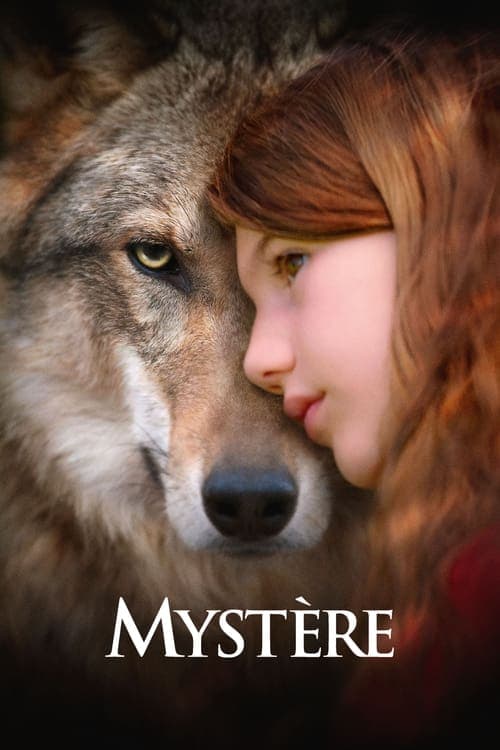
Mystery is a contemplative and melancholic family drama, sustained by a rural atmosphere charged with emotion. The story follows Vicky, a young girl grieving the death of her mother, who forms a deep bond with a wounded wolf cub amidst tensions between her father, herself and the village inhabitants. The film is primarily aimed at children from 7-8 years old and their parents, with a sensitivity that touches both adults and young viewers equally.
Parental and Family Portrayals
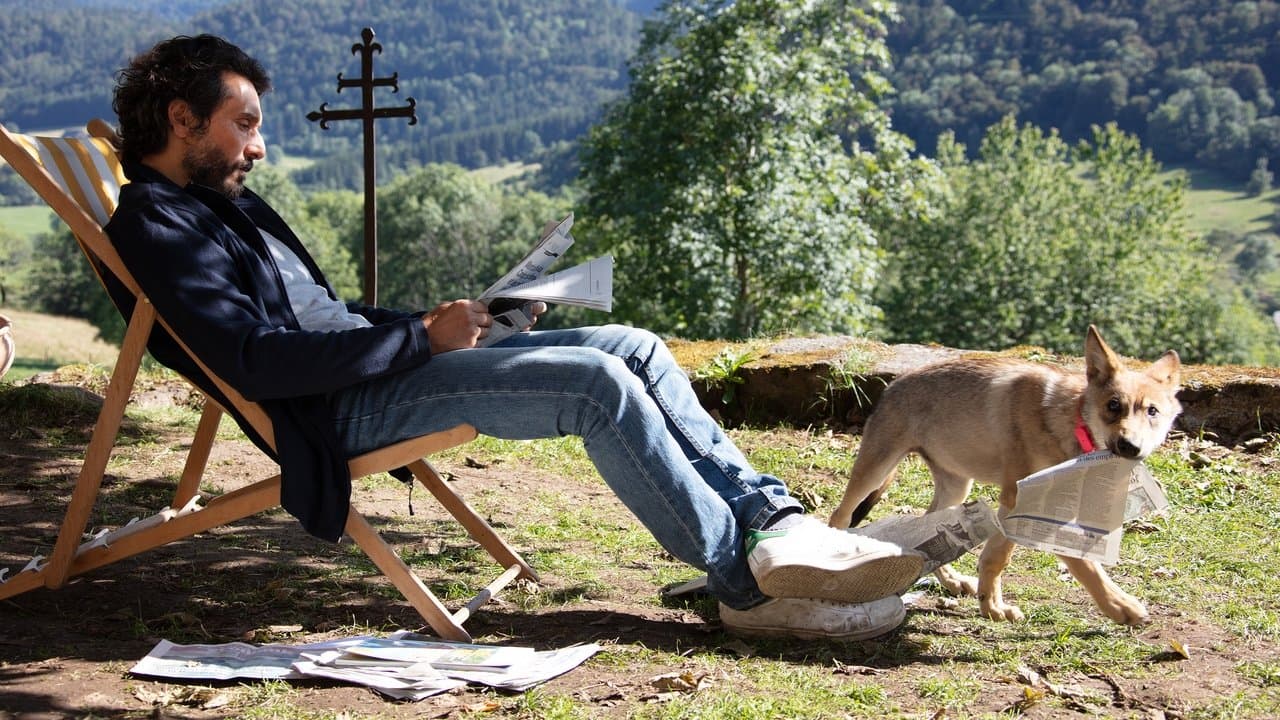
Maternal grief is the emotional engine of the entire film and its presence is constant, diffuse, painful. Vicky has nightmares, withdraws into silence and transfers onto the wolf cub the tenderness she can no longer give to her mother. Her father, initially emotionally withdrawn, makes visible progress towards his daughter and shows genuine patience in the face of her sorrow. This father-daughter dynamic in reconstruction is one of the strongest axes of the narrative, and it is treated with integrity, without sentimentality or magical resolution. For a child who has experienced bereavement, identification can be intense.
Social Themes
The film clearly raises the question of coexistence between wild animals and human activities, particularly livestock farming. The narrative position is stated without ambiguity: a wild animal belongs to nature and is happier there than in the arms of a child. This ecological message is sincere and well integrated into Vicky's journey, as she learns to love without possessing. This is a solid pedagogical angle, which naturally opens conversation about respect for living things and the limits of human attachment to animals.
Violence
Violence is limited but present at key moments. A wolf cub is wounded by a gunshot, and we briefly see blood on its flank before a resolution without lasting severity. A punch is shown on screen. The death of an adult wolf is implied off screen, through sound effects only. These elements are narratively justified and not gratuitous, but they can surprise or distress very sensitive young children, particularly anything involving the endangering of animals.
Discrimination
Farmers and villagers are broadly portrayed as a hostile mass, keen to eliminate wolves to protect their herds. This caricature functions as a dramatic device but oversimplifies a complex reality: cohabitation with wild predators is a genuine economic and cultural issue, and the film accords no nuance to the livestock farmers' perspective. This is a useful angle to flag to older children to prevent too hasty an equation between 'rural people' and 'enemies of nature'.
Language
The French version of the film contains a few mild expletives (including 'bâtard' and 'putain'), absent or softened in the English dubbing where they are replaced by neutral equivalents. Nothing problematic in itself, but it is worth knowing if you opt for the original language version with young children.
Underlying Values
The film builds one of its strongest values around freely chosen renunciation: Vicky chooses to let go of what she loves most, for his own good. This sacrifice is not dramatised as a punishment but presented as a form of emotional maturity and generosity. This is a solid moral proposition, which provides useful contrast with narratives where the child always gets what he or she desires.
Strengths
The film succeeds in treating childhood bereavement with restraint, without making a spectacle of it or resolving it too quickly. The relationship between Vicky and the wolf cub is filmed with genuine attention that makes the attachment credible and moving. The emotional progression of the father is written with restraint, which makes it all the more convincing. The film touches on how a child can navigate loss by clinging to a living being, and on what it means to learn to let go. For parents who struggle to address bereavement with their children, this film offers a gentle but honest narrative framework to initiate that conversation.
Age recommendation and discussion points
The film is suitable from 7 years old, with parental accompaniment recommended for younger children or for children who have recently experienced bereavement. Two discussion points naturally emerge after viewing: why does Vicky decide to let the wolf cub go when she loves him, and is it right to kill a wolf to protect a herd?
Synopsis
Stéphane decides to move to the beautiful mountains of Cantal in order to reconnect with his 8-year-old daughter, Victoria, who has been silent since her mother's disappearance. During a walk in the forest, a shepherd gives Victoria a puppy named "Mystery" who will gradually give her a taste for life. But very quickly, Stéphane discovers that the animal is in reality a wolf… Despite the warnings and the danger of this situation, he cannot bring himself to separate his daughter from this seemingly harmless ball of hair.
About this title
- Format
- Feature film
- Year
- 2021
- Runtime
- 1h 24m
- Countries
- France
- Original language
- FR
- Directed by
- Denis Imbert
- Main cast
- Vincent Elbaz, Shanna Keil, Marie Gillain, Éric Elmosnino, Tchéky Karyo, Éric Savin, Romain Lancry, Vincent Deniard, Ezio Sutter, Monique Barbarat
- Studios
- Radar Films, Gaumont, Solar Entertainment, Auvergne-Rhône-Alpes Cinéma
Content barometer
- Violence2/5Moderate
- Fear3/5Notable tension
- Sexuality0/5None
- Language1/5Mild
- Narrative complexity2/5Moderate
- Adult themes0/5None
Values conveyed
- Compassion
- Autonomy
- Forgiveness
- resilience
- family bond
- empathy
- nature