
Inside Out 2
Inside Out 2
Your feedback improves this guide
Your feedback highlights guides that need a second look and keeps the rating trustworthy.
Does this age rating seem accurate to you?
Sign in to vote
Watch-outs
What this film brings
Content barometer
Violence
1/5
Mild
Fear
2/5
A few scenes
Sexuality
0/5
None
Language
0/5
None
Narrative complexity
1/5
Accessible
Adult themes
0/5
None
Expert review
This family animated film takes place inside Riley's mind as she enters her teen years, with a colorful, inventive atmosphere that is often funny but also more emotionally complex than many movies aimed at very young children. The main sensitive material comes from depictions of anxiety, social pressure, fear of letting others down, and a few inner panic sequences that may unsettle younger viewers, even though the action is not realistic and contains little physical danger. The intensity stays moderate and the film remains broadly accessible, yet these themes appear repeatedly and require some emotional maturity, especially for children who are very sensitive to stress, embarrassment, or fear of rejection. There is almost no coarse language, no sexual content, and no substance use, while violence is limited to symbolic or cartoon style peril. Parents can help by letting children know in advance that the story focuses on difficult feelings, then talking afterward about anxiety, self image, and how uncomfortable emotions can be managed rather than feared.
Synopsis
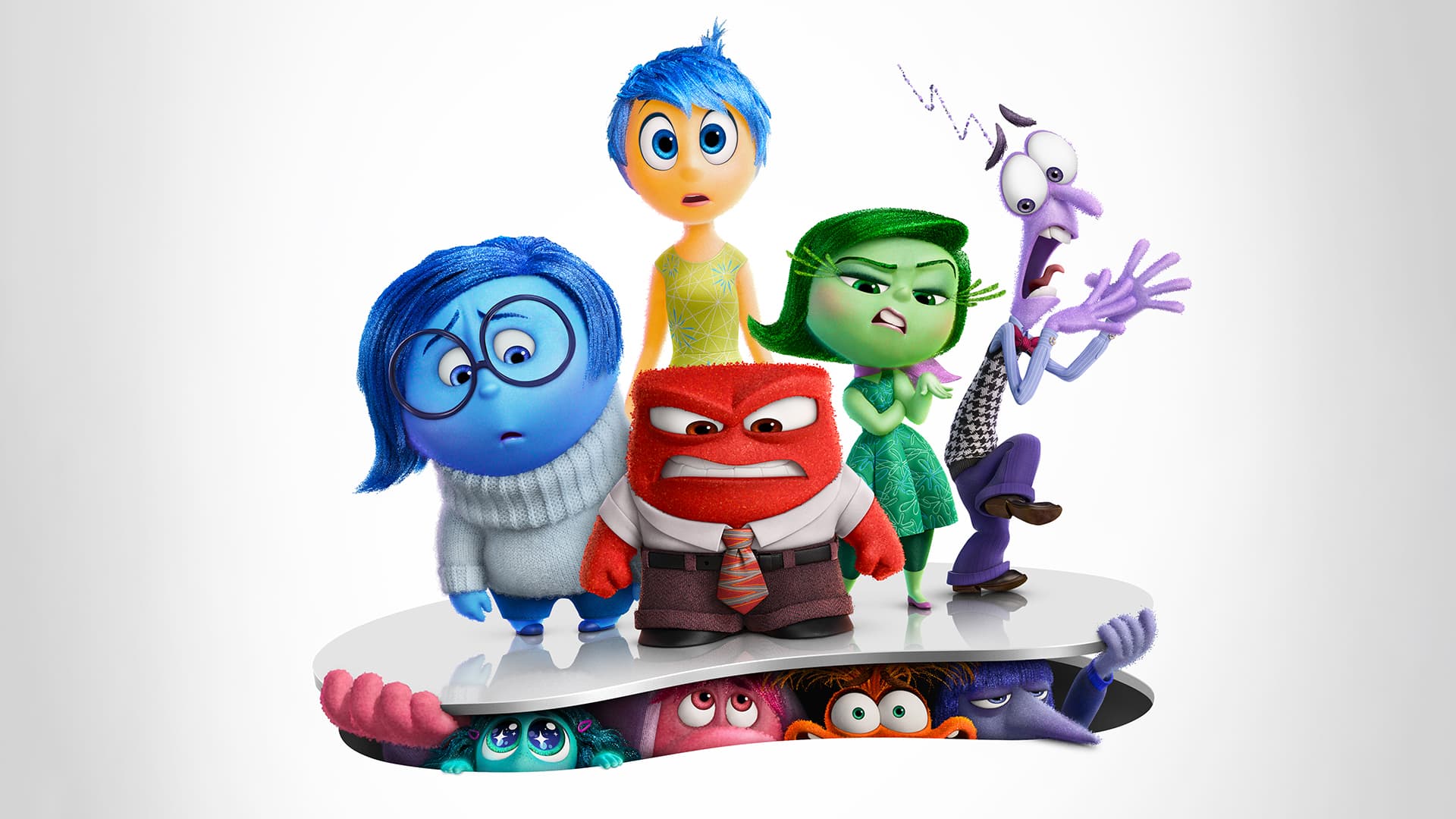
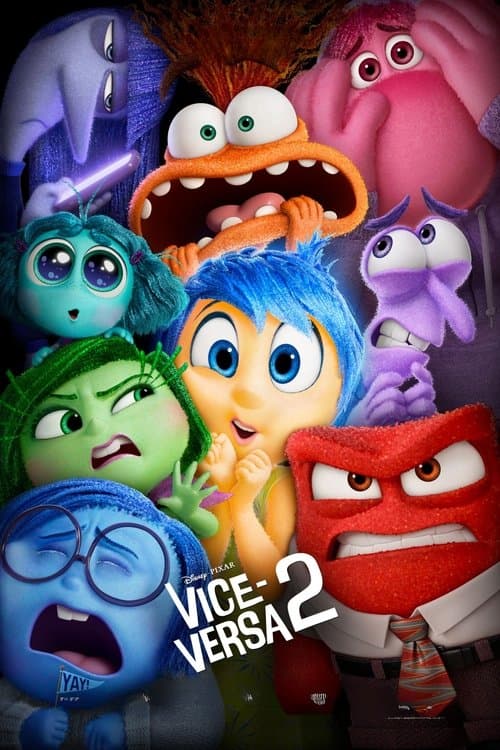
Teenager Riley's mind headquarters is undergoing a sudden demolition to make room for something entirely unexpected: new Emotions! Joy, Sadness, Anger, Fear and Disgust, who’ve long been running a successful operation by all accounts, aren’t sure how to feel when Anxiety shows up. And it looks like she’s not alone.
Difficult scenes
The arrival of the new emotions, especially Anxiety, suddenly disrupts Riley's inner balance and creates a constant sense of mental agitation. For a young child, this personified version of stress can be engaging but also unsettling, because the film shows how one feeling can gradually take over thinking and lead to poor choices. During key social situations, Riley feels strong pressure to fit in and succeed, which creates more psychological tension than in many family animations. These scenes do not involve serious physical danger, but they may resonate strongly with children who already worry about being judged or not being good enough. Some sequences come close to portraying an internal panic attack, with rapid escalation, confusion, loss of control, and a sense of emotional overwhelm. The presentation stays family friendly, yet the effect can still be intense for younger viewers because the distress is shown in a vivid and easy to feel way. The story also explores embarrassment, envy, and boredom, with moments when Riley feels ashamed, isolated, or out of step with others. These are not harsh scenes in the usual sense, but they can affect children who are especially sensitive to social awkwardness, humiliation, or the transition into preteen life.
Where to watch
No verified platform for the US market yet. We keep this section updated as availability changes.
Availability checked on Apr 01, 2026
About this title
- Format
- Feature film
- Year
- 2024
- Runtime
- 1h 37m
- Countries
- United States of America
- Original language
- EN
- Studios
- Pixar
Content barometer
Violence
1/5
Mild
Fear
2/5
A few scenes
Sexuality
0/5
None
Language
0/5
None
Narrative complexity
1/5
Accessible
Adult themes
0/5
None
Expert review
This family animated film takes place inside Riley's mind as she enters her teen years, with a colorful, inventive atmosphere that is often funny but also more emotionally complex than many movies aimed at very young children. The main sensitive material comes from depictions of anxiety, social pressure, fear of letting others down, and a few inner panic sequences that may unsettle younger viewers, even though the action is not realistic and contains little physical danger. The intensity stays moderate and the film remains broadly accessible, yet these themes appear repeatedly and require some emotional maturity, especially for children who are very sensitive to stress, embarrassment, or fear of rejection. There is almost no coarse language, no sexual content, and no substance use, while violence is limited to symbolic or cartoon style peril. Parents can help by letting children know in advance that the story focuses on difficult feelings, then talking afterward about anxiety, self image, and how uncomfortable emotions can be managed rather than feared.
Synopsis
Teenager Riley's mind headquarters is undergoing a sudden demolition to make room for something entirely unexpected: new Emotions! Joy, Sadness, Anger, Fear and Disgust, who’ve long been running a successful operation by all accounts, aren’t sure how to feel when Anxiety shows up. And it looks like she’s not alone.
Difficult scenes
The arrival of the new emotions, especially Anxiety, suddenly disrupts Riley's inner balance and creates a constant sense of mental agitation. For a young child, this personified version of stress can be engaging but also unsettling, because the film shows how one feeling can gradually take over thinking and lead to poor choices. During key social situations, Riley feels strong pressure to fit in and succeed, which creates more psychological tension than in many family animations. These scenes do not involve serious physical danger, but they may resonate strongly with children who already worry about being judged or not being good enough. Some sequences come close to portraying an internal panic attack, with rapid escalation, confusion, loss of control, and a sense of emotional overwhelm. The presentation stays family friendly, yet the effect can still be intense for younger viewers because the distress is shown in a vivid and easy to feel way. The story also explores embarrassment, envy, and boredom, with moments when Riley feels ashamed, isolated, or out of step with others. These are not harsh scenes in the usual sense, but they can affect children who are especially sensitive to social awkwardness, humiliation, or the transition into preteen life.