A Stone in the Shoe
A Stone in the Shoe
Your feedback improves this guide
Your feedback highlights guides that need a second look and keeps the rating trustworthy.
Does this age rating seem accurate to you?
Sign in to vote
Watch-outs
What this film brings
Content barometer
Violence
0/5
None
Fear
1/5
Mild
Sexuality
0/5
None
Language
0/5
None
Narrative complexity
0/5
Simple
Adult themes
0/5
None
Expert review
This animated short uses a very clear school setting and a gentle atmosphere, focusing on the first day of a new student who looks and behaves differently from the rest of the class. The main sensitive material comes from feelings of isolation, communication difficulties, and brief moments of discomfort or misunderstanding among the children, which may resonate strongly with very sensitive viewers. The intensity is low throughout, with no real violence, no sustained threat, and no adult content, and the tension is handled in a calm and reassuring way. For most children around age 4 and up, it should be accessible, especially if they already have some experience with school or group settings. Parents can support the viewing by talking afterward about welcoming newcomers, cultural differences, and simple ways children can help someone who does not yet understand the group's language.
Synopsis
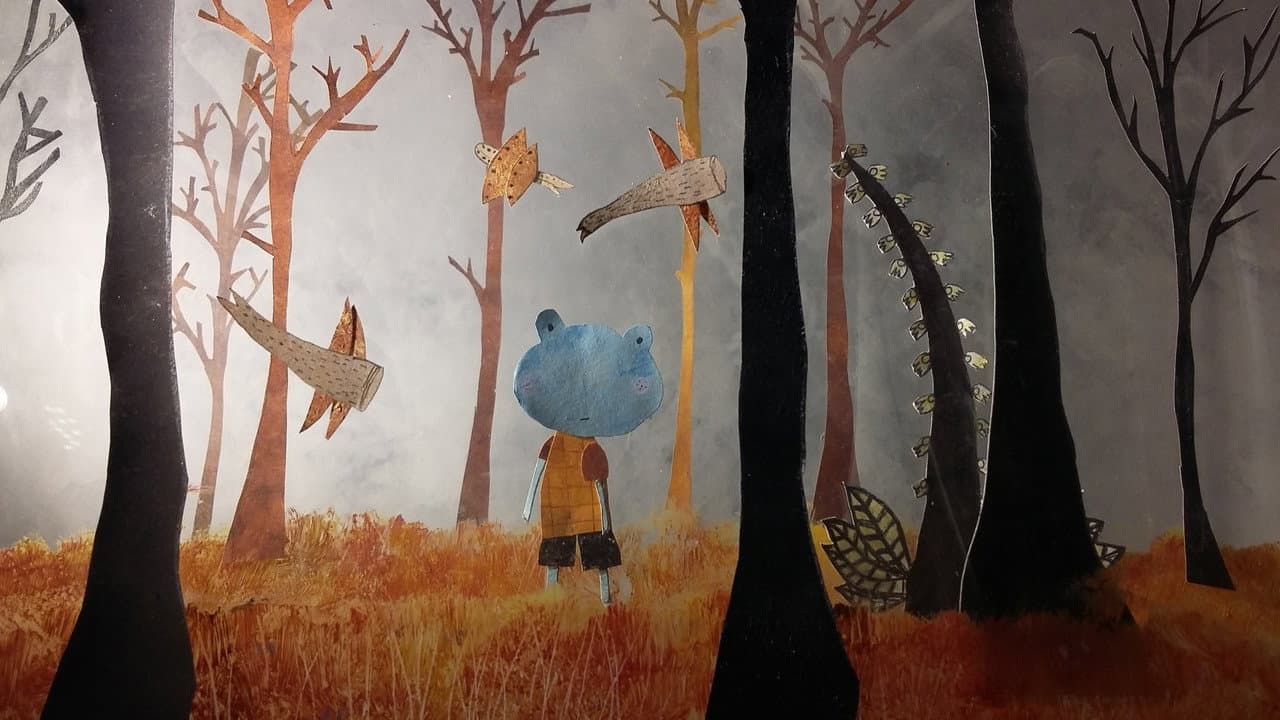
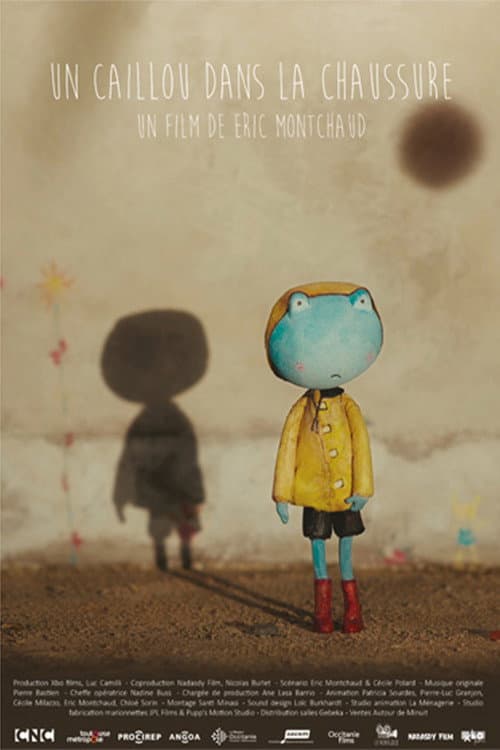
A pupil turns up to his new class for the first time. However, this pupil is different to the others, he's a frog in a class of rabbits.
Difficult scenes
The new student's arrival in a classroom where everyone else seems alike may create a mild sense of discomfort for young viewers. The frog child is immediately marked as different, and that visible and social difference may remind some children of the fear of not being accepted in a new group. Several moments are built around misunderstanding between the newcomer and the other children or the school environment. These scenes are not aggressive, but the sense of mismatch can feel sad or awkward for a highly empathetic child, especially one who has already experienced language barriers or difficulty fitting in.
Where to watch
No verified platform for the US market yet. We keep this section updated as availability changes.
About this title
- Format
- Short film
- Year
- 2021
- Runtime
- 10m
- Countries
- France
- Original language
- FR
- Directed by
- Eric Montchaud
- Studios
- XBO films, Nadasdy Film
Content barometer
Violence
0/5
None
Fear
1/5
Mild
Sexuality
0/5
None
Language
0/5
None
Narrative complexity
0/5
Simple
Adult themes
0/5
None
Expert review
This animated short uses a very clear school setting and a gentle atmosphere, focusing on the first day of a new student who looks and behaves differently from the rest of the class. The main sensitive material comes from feelings of isolation, communication difficulties, and brief moments of discomfort or misunderstanding among the children, which may resonate strongly with very sensitive viewers. The intensity is low throughout, with no real violence, no sustained threat, and no adult content, and the tension is handled in a calm and reassuring way. For most children around age 4 and up, it should be accessible, especially if they already have some experience with school or group settings. Parents can support the viewing by talking afterward about welcoming newcomers, cultural differences, and simple ways children can help someone who does not yet understand the group's language.
Synopsis
A pupil turns up to his new class for the first time. However, this pupil is different to the others, he's a frog in a class of rabbits.
Difficult scenes
The new student's arrival in a classroom where everyone else seems alike may create a mild sense of discomfort for young viewers. The frog child is immediately marked as different, and that visible and social difference may remind some children of the fear of not being accepted in a new group. Several moments are built around misunderstanding between the newcomer and the other children or the school environment. These scenes are not aggressive, but the sense of mismatch can feel sad or awkward for a highly empathetic child, especially one who has already experienced language barriers or difficulty fitting in.