
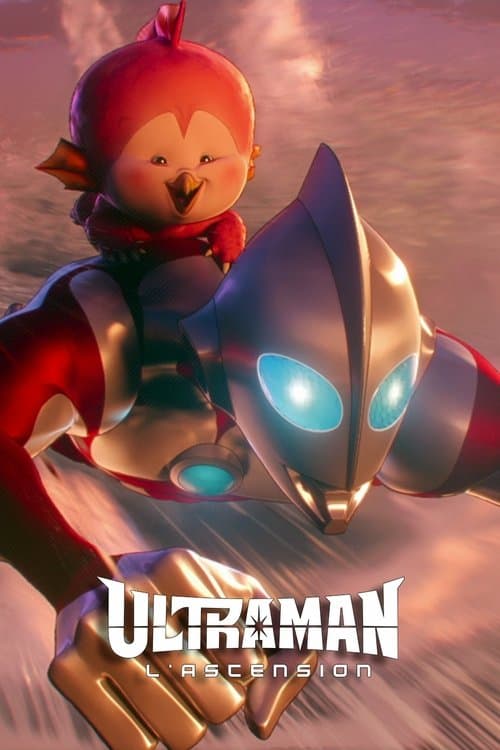
Ultraman: Rising
Does this age rating seem accurate to you?
Detailed parental analysis
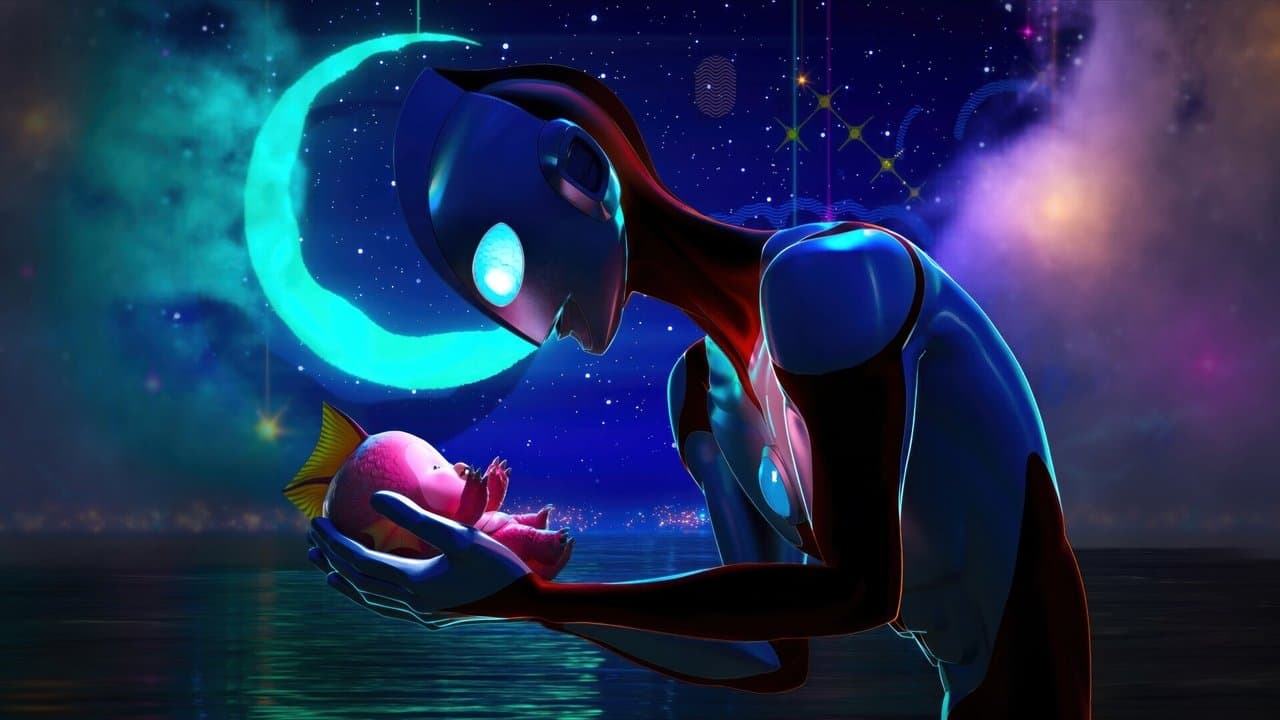
Ultraman: Rising is an adventure and science-fiction animated film with a broadly optimistic tone, punctuated by spectacular action sequences and genuine emotional depth. The plot follows a young professional athlete who inherits the role of superhero Ultraman and finds himself forced to care for a baby kaiju against his will, whilst also repairing his relationship with his father. The film is primarily aimed at children from 8-10 years old and upwards, with enough emotional richness to hold the attention of adults.
Violence
Combat sequences form the spectacular heart of the film and they are numerous: punches, throws, strangulation, ground strikes, missile fire and laser beams follow one another regularly. The violence remains stylised, however, and embedded within the logic of the superhero genre, without gore or realistic depictions of death. It is narratively justified by the protection of innocents and the defence of a vulnerable creature, which gives it a clear purpose. An antagonist character presented as unsettling, with an imposing physique and disturbing features, may trigger genuine fear in the more sensitive children. For a child under 8 years old, the cumulative intensity of the action sequences can be overwhelming.
Underlying Values
The film builds its values around responsibility towards the vulnerable, humility in the face of pride in performance, and the passing down of values between generations. The protagonist evolves from an individualism centred on sporting glory towards a posture of care and sacrifice, a well-written and convincing arc. The narrative also carries a strong message about the dehumanisation of the enemy: kaiju creatures are not presented as intrinsically evil monsters, but as beings with their own lives and offspring to protect, which offers genuine food for thought for young viewers. Gratitude and teamwork emerge as concrete results of the care given to others, rather than as imposed moral lessons.
Parental and Family Portrayals
The father-son relationship is at the heart of the narrative and warrants attention. The father has been present but is perceived as failing by his son, who holds him responsible for past choices tied precisely to his role as Ultraman. This tension between inherited legacy and chosen legacy is handled with real subtlety, without erasing the legitimacy of the son's hurt or condemning the father in absolute terms. The film shows that repairing a family relationship involves a retrospective understanding of the other person's constraints, a rich subject to explore with a teenager.
Social Themes
The film raises discreetly yet intelligibly an ecological and ethical question: an institutional military force, the Kaiju Defense Force, pursues and battles kaiju creatures without distinguishing between genuine threat and neutral presence. This mechanism poses the question of the relationship between collective security and the systematic destruction of what we do not understand. It is not a developed political argument, but it provides a natural angle for discussion about fear of the unknown and military response as reflex.
Substances
The protagonist is shown consuming what appears to be beer, several cans in a relaxation context. The consumption is neither dramatised nor explicitly valorised, but it is visible and associated with a character presented positively. This is a minor element to flag for parents of young children.
Language
The language includes a few moderately informal or slightly crude expressions, without strong insults or repeated profanity. Some phrases fall into scatological humour intended to make children laugh. The overall register remains well below what is found in action films for teenagers.
Strengths
The film achieves something rather rare in the animated superhero genre: it uses the pretext of titans clashing to tell an intimate story about fatherhood, legacy and care. The relationship between the protagonist and the baby kaiju is written with a convincing sense of emotional rhythm, alternating physical humour and moments of genuine tenderness without tipping into sentimentality. The narrative decision to present kaiju as beings with their own family lives expands the moral scope of the story well beyond the hero-versus-monster template. The whole thing is accessible to children whilst offering adults and teenagers enough emotional texture not to remain at surface level.
Age recommendation and discussion points
The film is suited from 10 years old for serene viewing, and can work from 8 years old for children accustomed to the superhero genre and not sensitive to stylised violence. Two angles of discussion are worth exploring after watching: why the film leads us to side with a creature that everyone considers an enemy, and how caring for someone vulnerable can change the way you see yourself.
Synopsis
A star athlete reluctantly returns home to take over his father's duties as Ultraman, shielding Tokyo from giant monsters as he becomes a legendary hero.
About this title
- Format
- Feature film
- Year
- 2024
- Runtime
- 1h 56m
- Countries
- Japan, United States of America
- Original language
- EN
- Directed by
- Shannon Tindle
- Main cast
- Christopher Sean, Gedde Watanabe, Tamlyn Tomita, Keone Young, Julia Harriman, Rob Fukuzaki, Frank Buckley, François Chau, Robert Yasumura, Artt Butler
- Studios
- Tsuburaya Productions, Netflix
Content barometer
- Violence3/5Notable
- Fear3/5Notable tension
- Sexuality0/5None
- Language1/5Mild
- Narrative complexity2/5Moderate
- Adult themes1/5Mild
Watch-outs
- Alcohol
- Violence
Values conveyed
- Acceptance of difference
- Compassion
- Loyalty
- family
- responsibility
- empathy
- reconciliation