Trick or Treat
Does this age rating seem accurate to you?
Detailed parental analysis
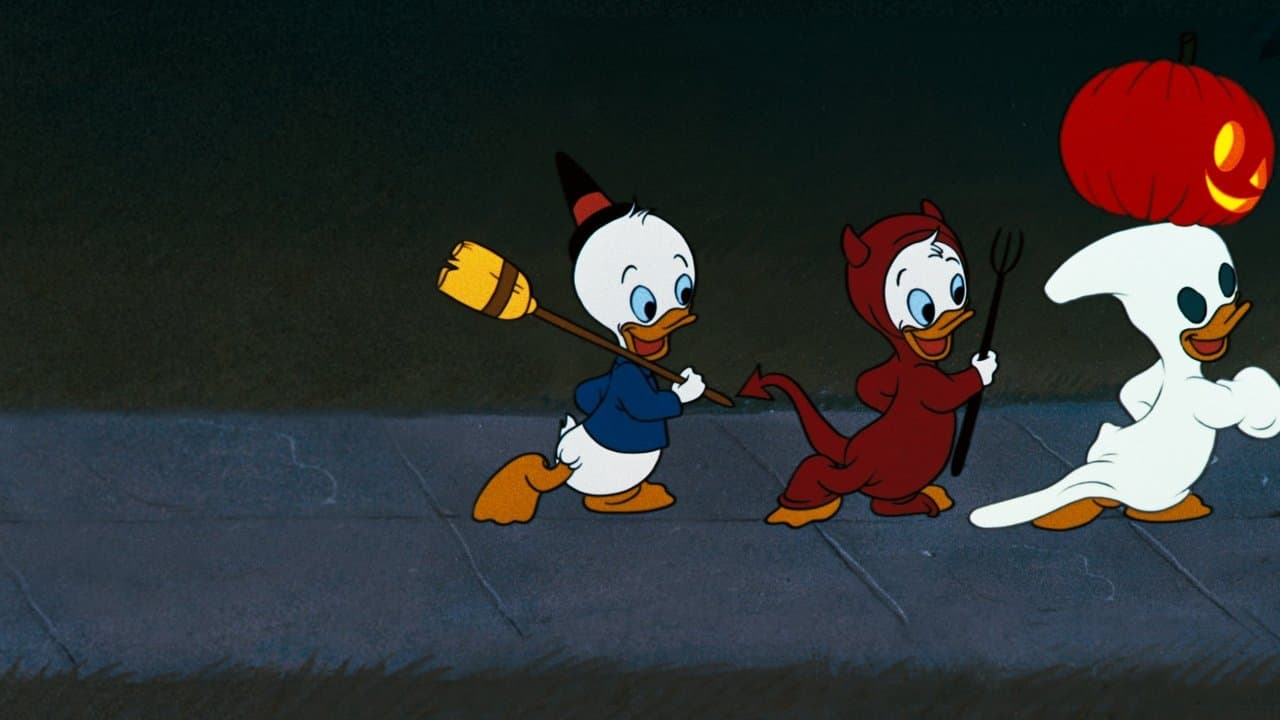
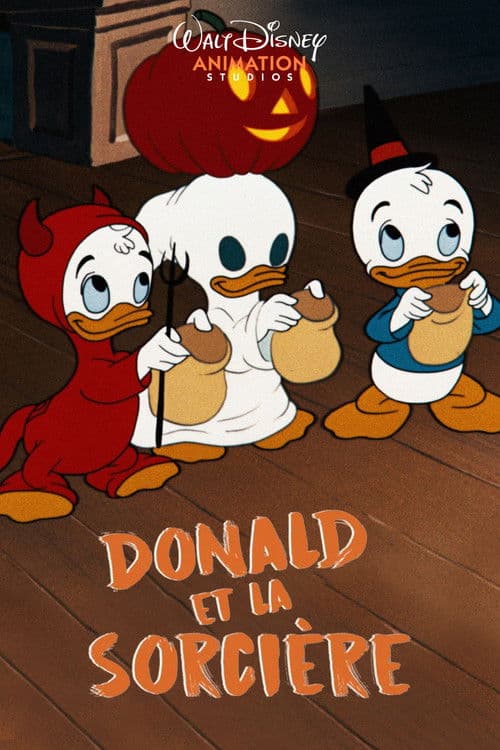
A short Disney animated film with a light and festive atmosphere, this film immerses the viewer in Halloween night through a comedic confrontation between Donald and a witch determined to teach him a lesson. The story follows Donald, who refuses to give sweets to his nephews and finds himself taken in hand by a benevolent witch who turns his own tricks against him. The film is aimed at young children, with an intentionally mischievous atmosphere that never seeks to genuinely frighten.
Underlying Values
The narrative rests on a logic of immediate justice and retribution: Donald is mean-spirited, he is punished, and this punishment is presented as deserved and amusing. The witch, an unusual figure in Disney films, is neither threatening nor evil; instead she embodies a principle of moral correction in service of children. This reversal is pedagogically worth highlighting to a young child: not all unusual figures of authority are bad, and generosity at Halloween is not a constraint but a norm of shared kindness. The entire film teaches that meanness towards those weaker than oneself has consequences, which provides material for a discussion about what it means to be fair to others.
Violence
The violence is exclusively slapstick in nature, without any real consequences: Donald has firecrackers go off in his hands, hits a door with his head, is stung by a cactus and burnt by a fireplace, all on a clearly comic register. These gags are in the tradition of American animation of the period, where pain is immediately erased and never dramatised. It is nonetheless worth noting that Donald also plays genuinely hostile tricks on his nephews, including an explosion in their sweets bag and a bucket of water on the head. The film does not downplay this behaviour and presents it explicitly as meriting a response, which is consistent with its moral.
Parental and Family Portrayals
Donald plays the role of an adult authority figure for his nephews here, and his behaviour is deliberately presented as a bad example. He exploits his power to humiliate children who are simply asking him to participate in a festive tradition. This portrait of an unjust and malicious adult towards children is not glorified; it serves as the driving force for the narrative's moral correction. This can be an opportunity to ask a child what he or she would have done in the nephews' place, and why some adults may act unjustly even towards people in their care.
Strengths
The short film exploits the Halloween imagination with effectiveness within a reassuring framework: the witch is funny and benevolent, the atmosphere is festive without being anxiety-inducing, and the pacing of the gags is well balanced for a very young audience. The narrative logic is clear and the morality is embodied in the action rather than stated, which is a hallmark of quality in a story intended for small children. The film also provides a gentle introduction to the figure of the witch and Halloween codes, by defusing them within a familiar and secure universe.
Age recommendation and discussion points
The film is suitable from age 4 onwards, accompanied by an adult for the very youngest who might be startled by certain loud gags. Two useful discussion angles after viewing: why does Donald behave badly towards his nephews, and was the witch right to teach him a lesson? And more broadly, what does it mean to be generous towards someone who asks something of you?
Synopsis
When the nephews come to Donald's house in their Halloween costumes he dumps water on them and laughs at his trick. A witch sees this and decides to help the kids. By magic she gives Donald a bad time and the kids finally get their treats.
About this title
- Format
- Short film
- Year
- 1952
- Runtime
- 8m
- Countries
- United States of America
- Original language
- EN
- Studios
- Walt Disney Productions
Content barometer
- Violence1/5Mild
- Fear1/5Mild
- Sexuality0/5None
- Language0/5None
- Narrative complexity0/5Simple
- Adult themes0/5None
Watch-outs
- Abuse
Values conveyed
- Courage
- Compassion
- Forgiveness
- generosity
- family
- fairness