Treasure Planet
Does this age rating seem accurate to you?
Detailed parental analysis
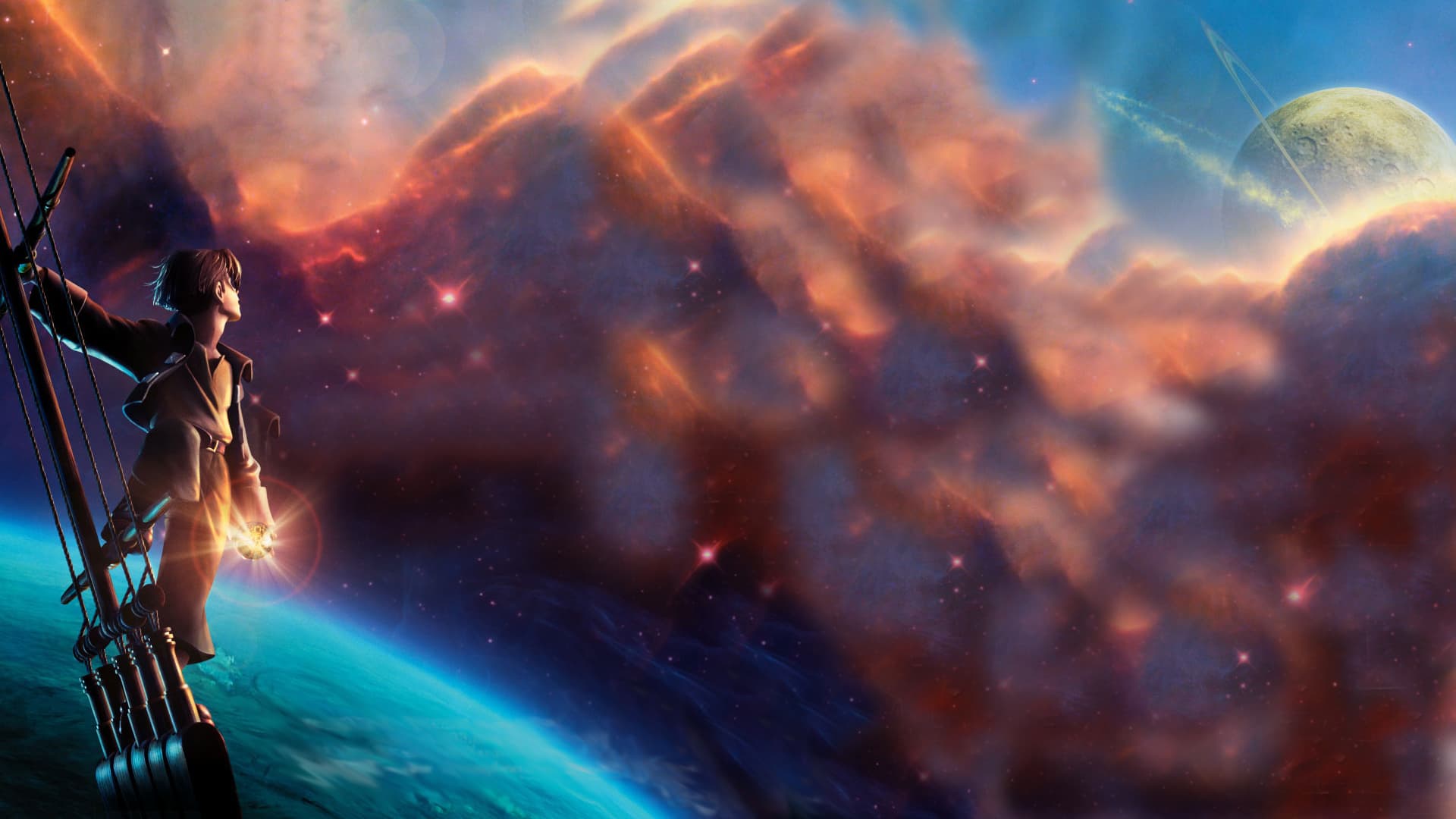
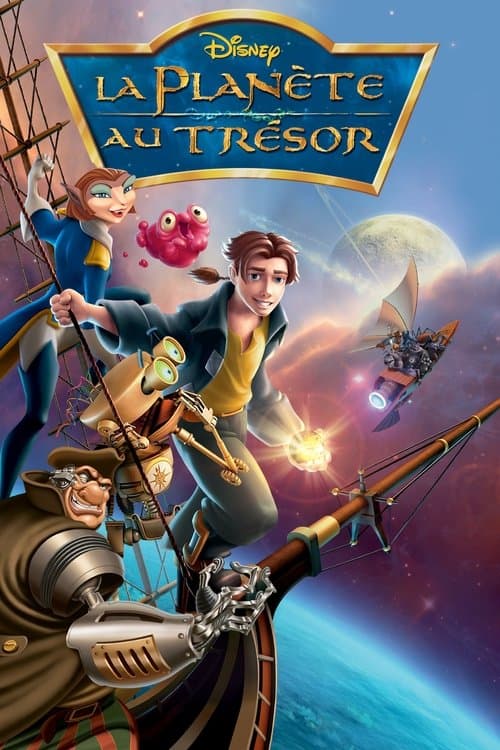
Treasure Planet is a Disney adventure film with a tonally contrasted register, alternating between tense action sequences and moments of intimate emotion. The plot reinterprets Robert Louis Stevenson's novel Treasure Island within a universe of spatial science fiction, where a rebellious young adolescent embarks on a perilous quest that becomes a life lesson. The film primarily targets children from 8-9 years old and pre-adolescents, with an emotional dimension sufficiently mature to resonate with parents.
Parental and Family Portrayals
The film structures its argument around a clear opposition between the quest for material wealth and the value of human connections, and decides unambiguously in favour of the latter. Redemption is presented as accessible to all, including those who have committed serious wrongs, provided there is an act of selfless courage. The protagonist's autonomy and perseverance are valued, but always tempered by the necessity of accepting help and guidance from others. The mentor figure embodies a nuanced moral character, neither pure hero nor simple villain, which offers material for discussion on the moral complexity of adults.
Underlying Values
The film structures its argument around a clear opposition between the quest for material wealth and the value of human connections, and decides unambiguously in favour of the latter. Redemption is presented as accessible to all, including those who have committed serious wrongs, provided there is an act of selfless courage. The protagonist's autonomy and perseverance are valued, but always tempered by the necessity of accepting help and guidance from others. The mentor figure embodies a nuanced moral character, neither pure hero nor simple villain, which offers material for discussion on the moral complexity of adults.
Violence
The film contains several intense action sequences: space battles with cannon fire and explosions, menacing cosmic storms, and a particularly spectacular supernova scene where characters flee a black hole. Deaths occur, presented without graphic indulgence but with real dramatic impact, notably characters swept into the void of space. The pirate character Scroop is designed to be visually threatening, with claws, fangs and an unsettling gaze, and his appearances can provoke genuine fright in sensitive children. The violence remains in service of narrative tension and never ventures into gore or brutal realism, but its intensity is frank for a family animation film.
Substances
Alcohol consumption is visible in the background in certain tavern scenes, without being highlighted or commented upon. One character smokes a pipe, again without this being glorified or thematised. These elements are peripheral and have no real narrative weight, but they are present and perceptible to an attentive child.
Language
A comic character expresses itself exclusively through flatulent sounds and an assumed scatological humour. This register, clearly intended to make young viewers laugh, contrasts with the emotional tone of the rest of the film. It does not constitute a major educational concern but may irritate parents sensitive to this type of humour.
Strengths
Treasure Planet is one of Disney's most underestimated films of its era, and one of the rare ones to approach the wound of paternal abandonment with such sincerity and psychological depth. The relationship between Jim and Silver is written with genuine ambivalence, refusing the convenience of the all-good mentor or the all-bad villain. The artistic direction, which merges eighteenth-century maritime aesthetics with spatial science fiction, creates a coherent and immersive universe that nourishes the imagination. For a pre-adolescent, the film offers a credible mirror of difficult feelings: the sense of being misunderstood, anger towards an absent parent, the desire to prove one's worth. It is rich emotional material, usable well beyond the moment of viewing.
Age recommendation and discussion points
The film is suitable from 8 years old in the presence of a parent for sensitive children, and fully accessible from 9-10 years old for independent viewing. Two angles of discussion merit being opened after the film: why does Jim seek so intensely the approval of an adult who has hurt him, and what makes it possible to trust someone despite their flaws? These are questions that resonate far beyond the screen for children constructing their own reference points.
Synopsis
When space galleon cabin boy Jim Hawkins discovers a map to an intergalactic "loot of a thousand worlds," a cyborg cook named John Silver teaches him to battle supernovas and space storms on their journey to find treasure.
About this title
- Format
- Feature film
- Year
- 2002
- Runtime
- 1h 35m
- Countries
- United States of America
- Original language
- EN
- Studios
- Walt Disney Pictures
Content barometer
- Violence3/5Notable
- Fear3/5Notable tension
- Sexuality0/5None
- Language1/5Mild
- Narrative complexity1/5Accessible
- Adult themes1/5Mild
Watch-outs
Values conveyed
- Courage
- Loyalty
- Autonomy
- Forgiveness
- friendship
- resilience