
Toy Story 4
Does this age rating seem accurate to you?
Detailed parental analysis
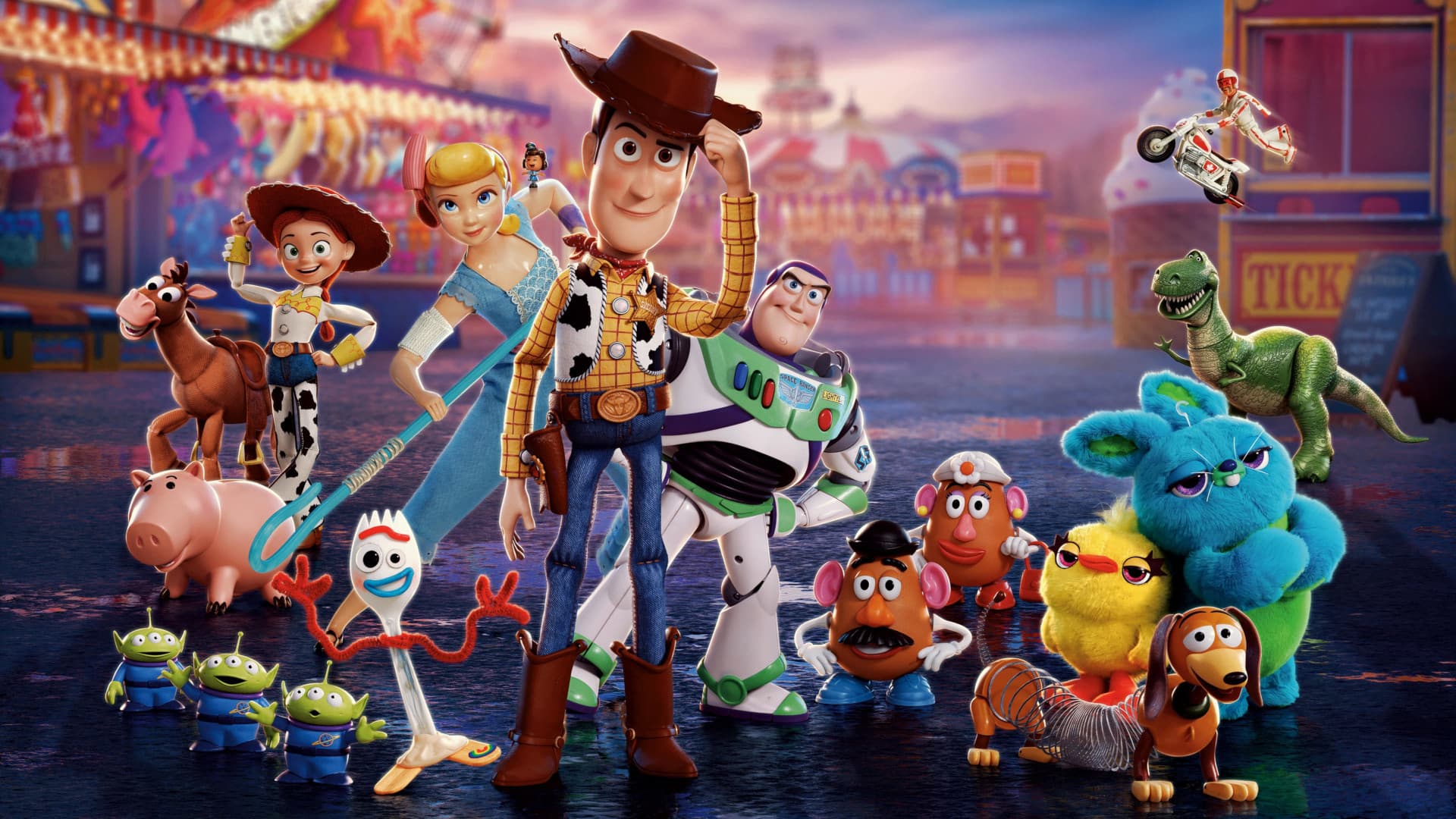
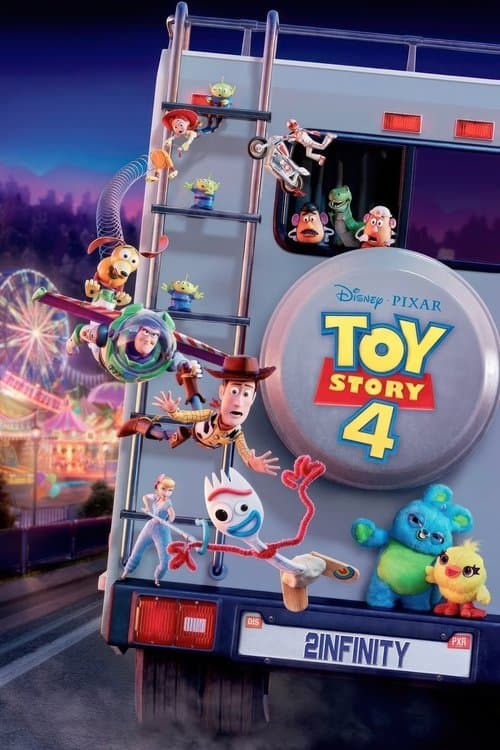
Toy Story 4 is a Pixar animated adventure with a more melancholic and contemplative atmosphere than its predecessors, carried by refined aesthetics and an emotionally mature tone. The plot follows Woody, a cowboy toy now set aside, who finds himself drawn into a series of misadventures during a campervan trip and must choose between his past identity and a new path. The film appears on the surface to target young children, but its true audience is the adult or teenager capable of grasping the depth of its existential questioning.
Underlying Values
This is the heart of the film and its richest ground for discussion. Woody, whose entire identity rested on serving a child, is confronted with obsolescence and must reinvent his relationship with meaning. The narrative values individual autonomy, the capacity to redefine oneself outside assigned roles, and the courage to choose one's own path even at the cost of painful ruptures. This message is powerful and well constructed, but it enters into direct tension with what the saga had defended until now: loyalty, sacrifice, a sense of duty towards others. Some parents experience this conclusion as a contradiction with Toy Story 3, and this is not an incorrect reading. It is precisely this debate that deserves to be opened with a child or teenager: are autonomy and faithfulness incompatible, and at what point does choosing for oneself become legitimate?
Violence
Violence is absent in the strict sense, but the film contains several high-tension sequences that may disturb younger viewers. The ventriloquist dolls, the Bensons, constitute the most striking antagonists: articulated limbs hanging down, fixed expressions, heads pivoting 360 degrees. Their presence in the antique shop scenes is frankly unsettling and belongs more to the horror register than to light adventure. Toys are captured and held hostage, a cat swallows one character and severs another at the waist, and several scenes involve falls from height or jumps from moving vehicles. Nothing gory, but the intensity is real and sustained over a good portion of the film. For a child under 5 years old, these sequences can generate lasting fear.
Parental and Family Portrayals
Human parental figures are benevolent but peripheral. The central attachment plays out between toys and children, and the film questions implicitly what it means to be useful to someone who is growing up and no longer needs you. This dynamic may resonate differently depending on the age of the child viewer: a young child will see an adventure in it, a pre-adolescent may read something closer to their own experience of separation and change.
Strengths
Toy Story 4 is visually sumptuous, with an art direction that reaches a level of detail and depth of field rarely seen in animation. But its true strength is narrative: the film dares to pose questions without simple answers about identity, the meaning of life, and the legitimacy of choosing for oneself. The relationship between Woody and Bo Peep is written with real finesse, and the character of Gabby Gabby offers an unexpected redemption arc that gives moral depth to what could have remained a simple antagonist. The film is emotionally honest right to the end, including in its most painful moments, which makes it a rare object of discussion for families.
Age recommendation and discussion points
The film is accessible from age 5 for children without particular anxiety in the face of unsettling images, but the sequences with the ventriloquist dolls advise against viewing for very young or sensitive children before age 4. Two angles of discussion are worth exploring after the film: ask the child what they think of Woody's final decision, and whether in their view one can be loyal to someone whilst choosing one's own life. For a teenager, the question can be posed more directly: at what point does looking after oneself cease to be selfishness?
Synopsis
Woody has always been confident about his place in the world, devoted to taking care of his kid—whether that's Andy or Bonnie. But after Bonnie creates a reluctant new toy called "Forky", a road trip adventure alongside old and new friends challenges everything Woody believes about loyalty, purpose, and what it truly means to be a toy.
About this title
- Format
- Feature film
- Year
- 2019
- Runtime
- 1h 40m
- Countries
- United States of America
- Original language
- EN
- Studios
- Pixar
Content barometer
- Violence2/5Moderate
- Fear3/5Notable tension
- Sexuality0/5None
- Language0/5None
- Narrative complexity2/5Moderate
- Adult themes0/5None
Watch-outs
- Grief
- Death / grief
Values conveyed
- Courage
- Acceptance of difference
- Loyalty
- Autonomy
- Forgiveness
- friendship
- empathy
- adaptation