
Toy Story 2
Does this age rating seem accurate to you?
Detailed parental analysis
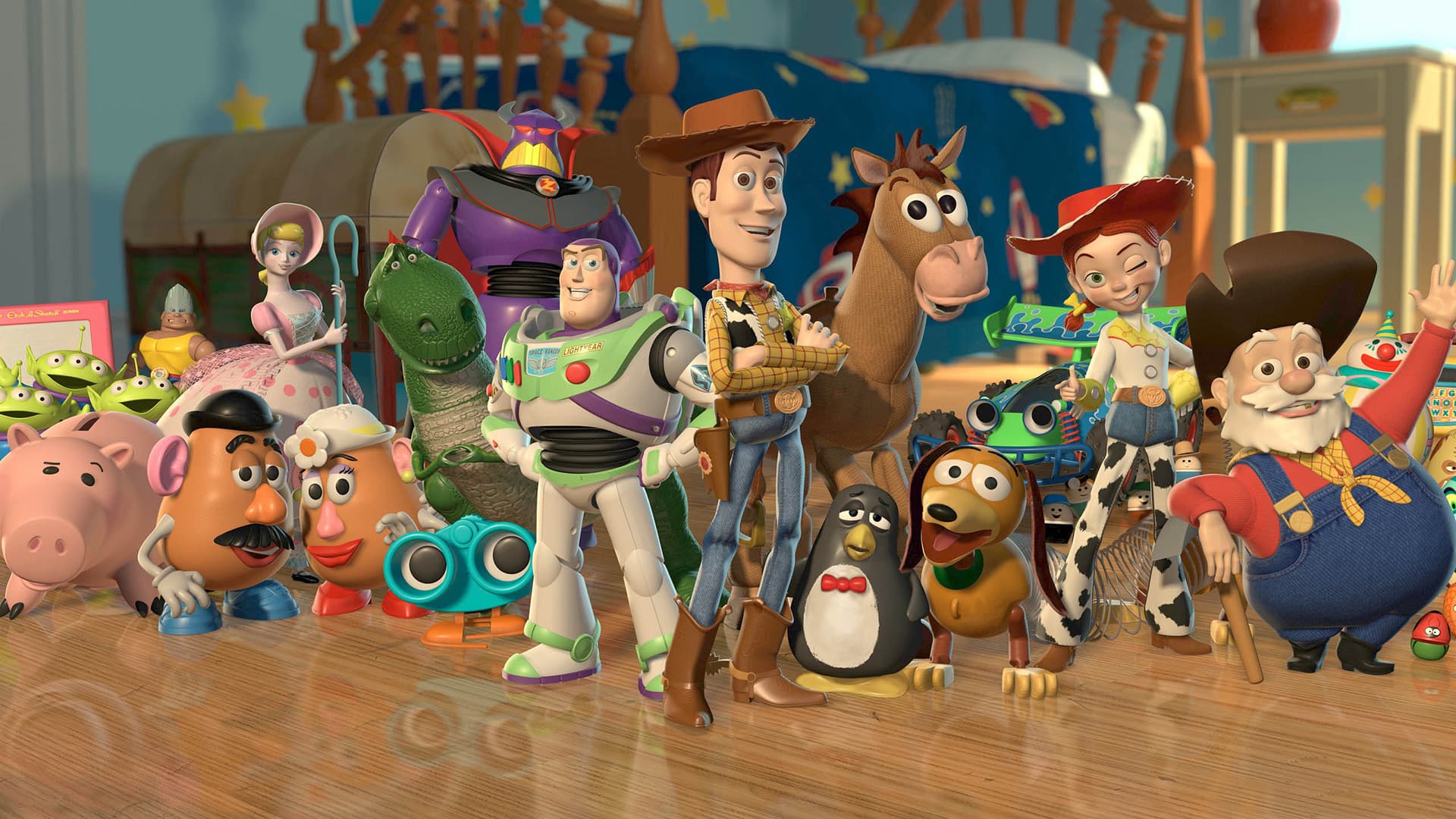
Toy Story 2 is a joyful and fast-paced animated adventure, carried by an emotional depth that is unexpected for a film intended for young children. The plot follows Woody, who is kidnapped by an avid collector, whilst his friends set out to rescue him. Pixar delivers a sequel that appeals equally to young children and parents, with distinct narrative registers depending on the viewer's age.
Underlying Values
The film builds its reflection around a genuine tension between two conceptions of value: being cherished and used until worn out, or being preserved behind glass forever. This questioning runs throughout the entire narrative and extends far beyond the children's film framework. The values it conveys are solid: loyalty, friendship, courage and teamwork are demonstrated in practice rather than simply proclaimed. The villain, motivated by greed and the desire for control, receives a coherent narrative resolution without glorification. The only structural nuance worth noting is that the film implicitly values a toy's relationship of belonging to a child as the ultimate source of meaning for a toy, which can open a discussion about what it means to exist for others or for oneself.
Violence
The violence remains in a fantastical register and never feels realistic. The opening sequence, a fictional video game, features explosions and a character whose torso is ripped off, but the deliberately parodic visual treatment diminishes its impact. Toys cross a street facing heavy traffic, and two cars collide. Woody's arm is ripped off and then sewn back on, and in a later scene stitches are torn open again. These moments are isolated and their narrative purpose is clear, but they may surprise very young children or those who are particularly sensitive.
Parental and Family Portrayals
The most striking parental figure in the film is Emily, the little girl who once loved Jessie before forgetting her as she grew up. This flashback sequence, accompanied by a song, constitutes one of the film's most emotionally intense moments: it illustrates gradual abandonment, not through malice but through the simple passage of time. For sensitive children or those experiencing their own separation or abandonment, this arc can resonate strongly. This is also precisely what makes it valuable material for conversation.
Discrimination
Mr. Potato Head uses the term 'dwarf' in a derogatory register, without the film acknowledging or correcting it. The presence of this word in a comic context, without critical commentary, is worth flagging to parents who wish to educate their children about respect for bodily differences. The scene is brief but audible enough not to go unnoticed.
Sex and Nudity
The elements in this register are minor and clearly anecdotal for virtually all viewers. Male toys react with admiration to dolls in bikinis, and a subliminal image depicting a woman with a large chest has been inserted into an isolated frame, invisible at normal speed. Furthermore, an end credits scene (removed from the version distributed since 2019) showed one of the characters flirting persistently with Barbie dolls. For family viewing, these elements have no real bearing in the versions currently available.
Strengths
Toy Story 2 fulfils a rare promise: offering children an effective adventure whilst providing adults with a genuine reflection on the passage of time, attachment and the value of what one risks losing by trying too hard to preserve it. The flashback sequence about Jessie's story is a success of emotional writing, condensed and just right, that works without manipulation. The film also knows how to mock itself and its own conventions, particularly in the toy shop sequence, with humour that functions differently depending on age. The dramatic construction is rigorous, the character arcs are clear and the whole offers a thematic coherence that can be seriously discussed with a child from age 6 or 7 onwards.
Age recommendation and discussion points
The film is suitable from age 5 or 6 for children without particular sensitivity to fear or abandonment themes, and is fully appropriate from age 7 without major reservations. Two discussion points are worth opening after watching: ask your child what they think of Woody's choice between the safety of a display case and life with Andy, and return to Jessie's story to talk about what we feel when someone we love forgets us.
Synopsis
Andy heads off to Cowboy Camp, leaving his toys to their own devices. Things shift into high gear when an obsessive toy collector named Al McWhiggen, owner of Al's Toy Barn kidnaps Woody. Andy's toys mount a daring rescue mission, Buzz Lightyear meets his match and Woody has to decide where he and his heart truly belong.
About this title
- Format
- Feature film
- Year
- 1999
- Runtime
- 1h 32m
- Countries
- United States of America
- Original language
- EN
- Studios
- Pixar
Content barometer
- Violence2/5Moderate
- Fear3/5Notable tension
- Sexuality1/5Allusions
- Language1/5Mild
- Narrative complexity1/5Accessible
- Adult themes0/5None
Watch-outs
- Grief
- Death / grief