Tom-Tom et Nana
Does this age rating seem accurate to you?
Detailed parental analysis
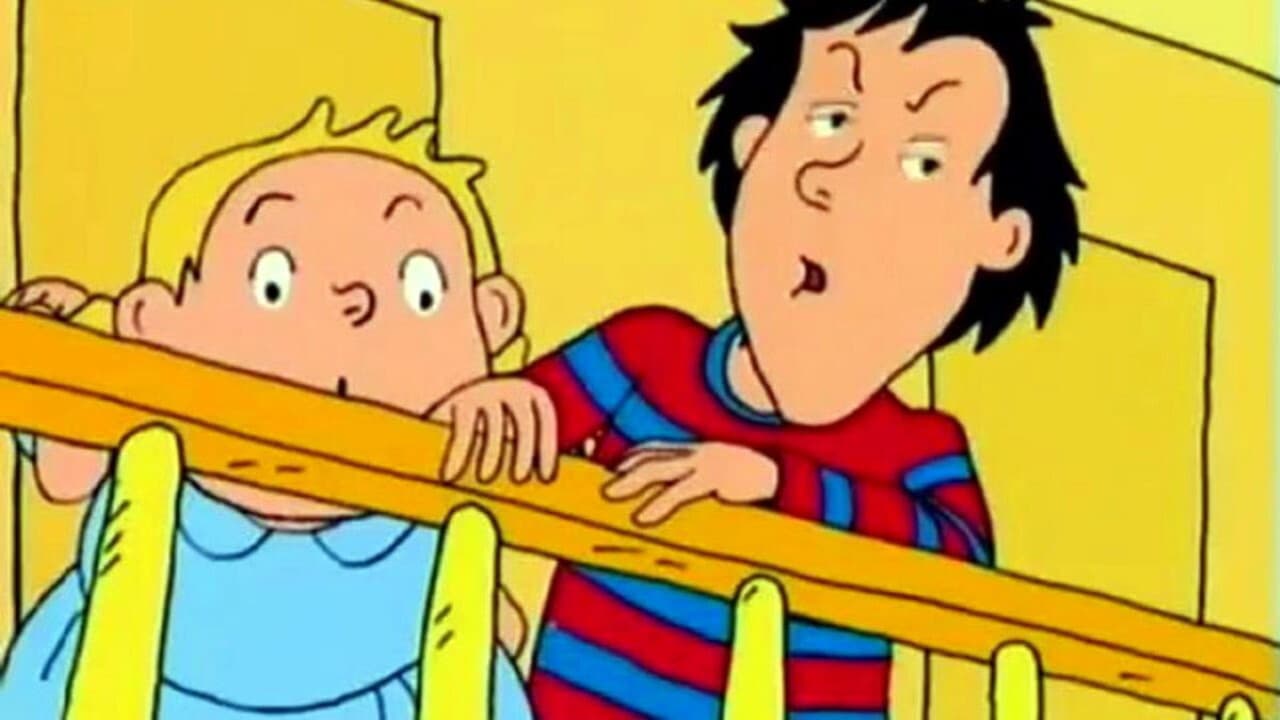
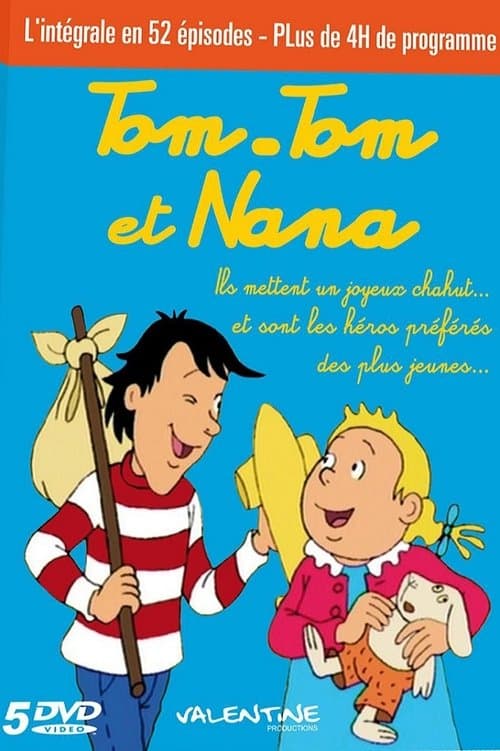
Tom-Tom and Nana is an animated series with a decidedly comic and turbulent tone, adapted from the comic strip of the same name. Each episode features two inseparable and mischievous siblings who chain together pranks in their family flat, much to their parents' despair. The series is clearly aimed at primary school children and operates on a register of light, consequence-free family comedy.
Underlying Values
This is the heart of the debate surrounding this series. Tom-Tom and Nana are presented as endearing children precisely because they disregard parental authority, multiply their pranks and almost always get away with real consequences. Disobedience is the comic engine of the narrative, and the fact that the children most often emerge victorious or satisfied establishes a structural message: rules are made to be circumvented, and adults are there to be outwitted. The sibling bond between Tom-Tom and Nana, however, is sincerely valorised: they unite in the face of adversity and support one another through trials, which offers a positive counterpoint to the prevailing insolence.
Parental and Family Portrayals
The parents are present but consistently out of their depth. Their authority is discredited by the very mechanics of the episodes: they punish, scold, grow irritated, then end up forgiving the worst foolishness without the children having to bear lasting consequences. This representation is not neutral for a developing child: it normalises the idea that parental authority is a provisional and circumventable constraint, rather than a benevolent framework. This is a concrete angle to address with the child after viewing.
Strengths
The series captivated a generation of children in the 1990s and constitutes a solid generational cultural reference point. Its brisk pace, physical humour and absurd situations work effectively to make young children laugh. The sibling relationship between the two protagonists, a blend of rivalry and unshakeable complicity, is depicted with an accuracy that resonates with children who have brothers and sisters. The series remains short, fast-paced and accessible, making it a format well suited to the attention span of a primary school child.
Age recommendation and discussion points
The series is suitable from age 6 onwards without reservation on content, but warrants a brief conversation after viewing for the youngest. Two useful angles to explore: why Tom-Tom and Nana's parents never manage to get them to obey, and does misbehaving without consequences really happen that way in real life? The complicity between brother and sister, meanwhile, is a fine entry point for discussing mutual support within the family.
About this title
- Format
- TV series
- Year
- 1998
- Runtime
- 5m
- Countries
- France
- Original language
- FR
- Directed by
- Alain Jaspard
- Main cast
- Dorothée Pousséo, Sophie Arthuys, Marie-Charlotte Leclaire, Yves Barsacq, Bénédicte Bosc, Hélène Otternaud, Silvie Feit, Paul Borne, Stéphane Pouplard
- Studios
- Boyard presse, Canal J, France 3, Europe image, CNC, Sofineurope, Valentine Productions
Content barometer
- Violence0/5None
- Fear0/5None
- Sexuality0/5None
- Language0/5None
- Narrative complexity1/5Accessible
- Adult themes0/5None
Values conveyed
- Friendship
- Perseverance
- Loyalty
- siblings
- humor
- creativity
- family