Tinker Bell and the Legend of the NeverBeast
Does this age rating seem accurate to you?
Detailed parental analysis
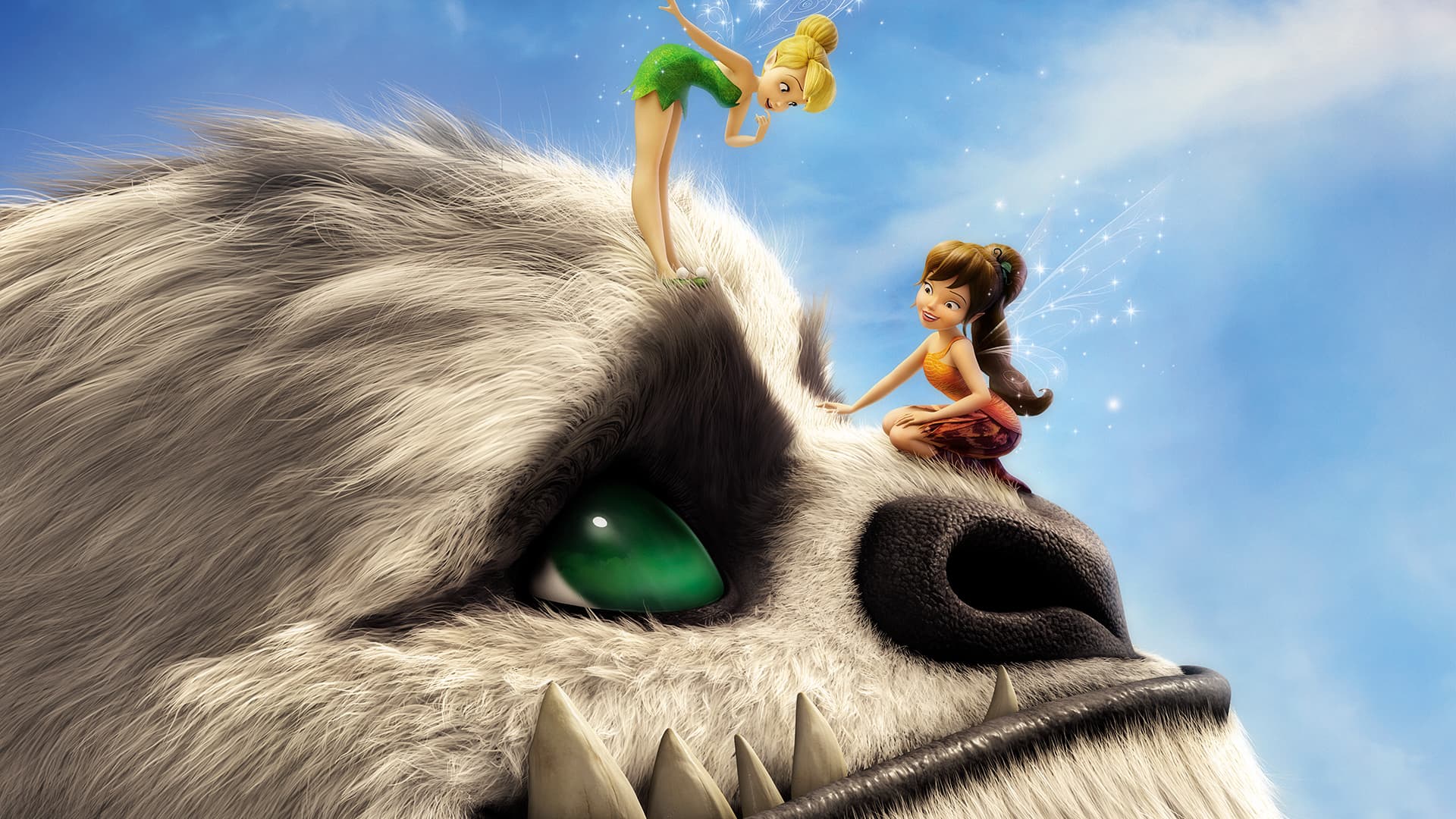
Tinker Bell and the Legend of the NeverBeast is a fantastical animated film with a bittersweet atmosphere, blending adventure, wonder and genuine melancholy that sets it apart from other instalments in the series. A curious fairy discovers a mysterious and frightening creature whom she senses is kind-hearted despite the surrounding hostility, and commits herself to protecting it against her community's distrust. The film primarily targets young children, but its emotionally charged ending also resonates with the parents accompanying them.
Underlying Values
The film constructs its entire narrative around a rejection of hasty judgment: the creature, massive, loud and threatening in appearance, is gradually revealed to be a gentle being essential to the balance of the natural world. This message is not merely decorative; it structures every conflict in the film and gives concrete meaning to the characters' choices. In parallel, curiosity is celebrated as a virtue in its own right: the protagonist who believes in the creature does so not out of naivety but through careful observation and trust in her own perceptions. These values of accepting difference and persisting in the face of collective scepticism are conveyed with consistency and without heavy-handed didacticism.
Violence
Violence is limited but present in the form of isolated moments of intensity. The protagonist is struck by the creature during a moment of panic and ends up in a serious condition, which generates genuine emotional tension. The electrical storm that strikes the valley is visually spectacular and potentially frightening for younger viewers, with intense lightning and a graphically striking transformation of the creature. These sequences serve the narrative and are never gratuitous, but they merit being anticipated for sensitive children. Violence thus remains narrative and purposeful, without any morbid indulgence.
Social Themes
The film implicitly addresses the question of collective fear of the unknown and of social control exercised in the name of security. The community of fairies, represented by the scouts, acts with good intentions but on the basis of an incomplete reading of reality. This nuanced treatment of collective authority, neither caricatured nor idealised, offers an interesting angle for discussing with a child the difference between legitimate caution and unjustified exclusion.
Parental and Family Portrayals
The film features no parental figure in the strict sense. The structuring relationships are horizontal, between peers and friends, which places autonomy and female solidarity at the centre of the narrative without passing through a hierarchical family framework. This narrative choice reinforces the independence of the female characters without making it an explicit subject of commentary.
Strengths
This instalment distinguishes itself from the rest of the series through genuine emotional work: the ending, both melancholic and resolved, treats permanent separation with a honesty rare in animation aimed at young children. The film does not seek to artificially console the viewer and assumes an ambivalent ending that leaves a lasting impression. The relationship between the protagonist and the creature is constructed with care, through small touches and without rushing trust, which makes the bond credible and its ultimate emotional cost all the stronger. From an educational standpoint, the narrative offers a concrete and accessible entry point on the distinction between appearance and true nature, a subject children encounter very early in their social lives.
Age recommendation and discussion points
The film is suitable from age 5 for children with low sensitivity to intense imagery, but ages 6 or 7 represent the ideal age for serene viewing, particularly if the child reacts strongly to separations or sad endings. Two angles merit discussion after watching the film: why everyone was afraid of the creature at first and what allowed them to change their minds, and how it feels to have to say goodbye to someone you love even when you know it is necessary.
Synopsis
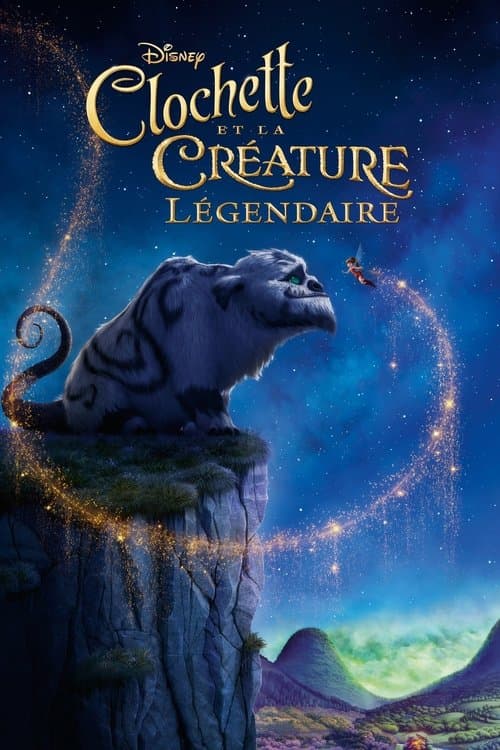
An ancient myth of a massive creature sparks the curiosity of Tinker Bell and her good friend Fawn, an animal fairy who’s not afraid to break the rules to help an animal in need. But this creature is not welcome in Pixie Hollow — and the scout fairies are determined to capture the mysterious beast, who they fear will destroy their home. Fawn must convince her fairy friends to risk everything to rescue the NeverBeast.
About this title
- Format
- Feature film
- Year
- 2014
- Runtime
- 1h 16m
- Countries
- United States of America
- Original language
- EN
- Directed by
- Steve Loter
- Main cast
- Ginnifer Goodwin, Mae Whitman, Rosario Dawson, Lucy Liu, Raven-Symoné, Megan Hilty, Pamela Adlon, Danai Gurira, Chloe Bennet, Thomas Lennon
- Studios
- DisneyToon Studios
Content barometer
- Violence2/5Moderate
- Fear3/5Notable tension
- Sexuality0/5None
- Language0/5None
- Narrative complexity1/5Accessible
- Adult themes0/5None
Watch-outs
- Grief
- Death / grief
Values conveyed
- Courage
- Friendship
- Acceptance of difference
- Perseverance
- Compassion
- Loyalty
- Autonomy
- self-trust
- not judging by appearances
- sacrifice
- empathy towards animals