
Thelma the Unicorn
Thelma the Unicorn
Your feedback improves this guide
Your feedback highlights guides that need a second look and keeps the rating trustworthy.
Does this age rating seem accurate to you?
Sign in to vote
Watch-outs
What this film brings
Content barometer
Violence
1/5
Mild
Fear
1/5
Mild
Sexuality
0/5
None
Language
0/5
None
Narrative complexity
1/5
Accessible
Adult themes
0/5
None
Expert review
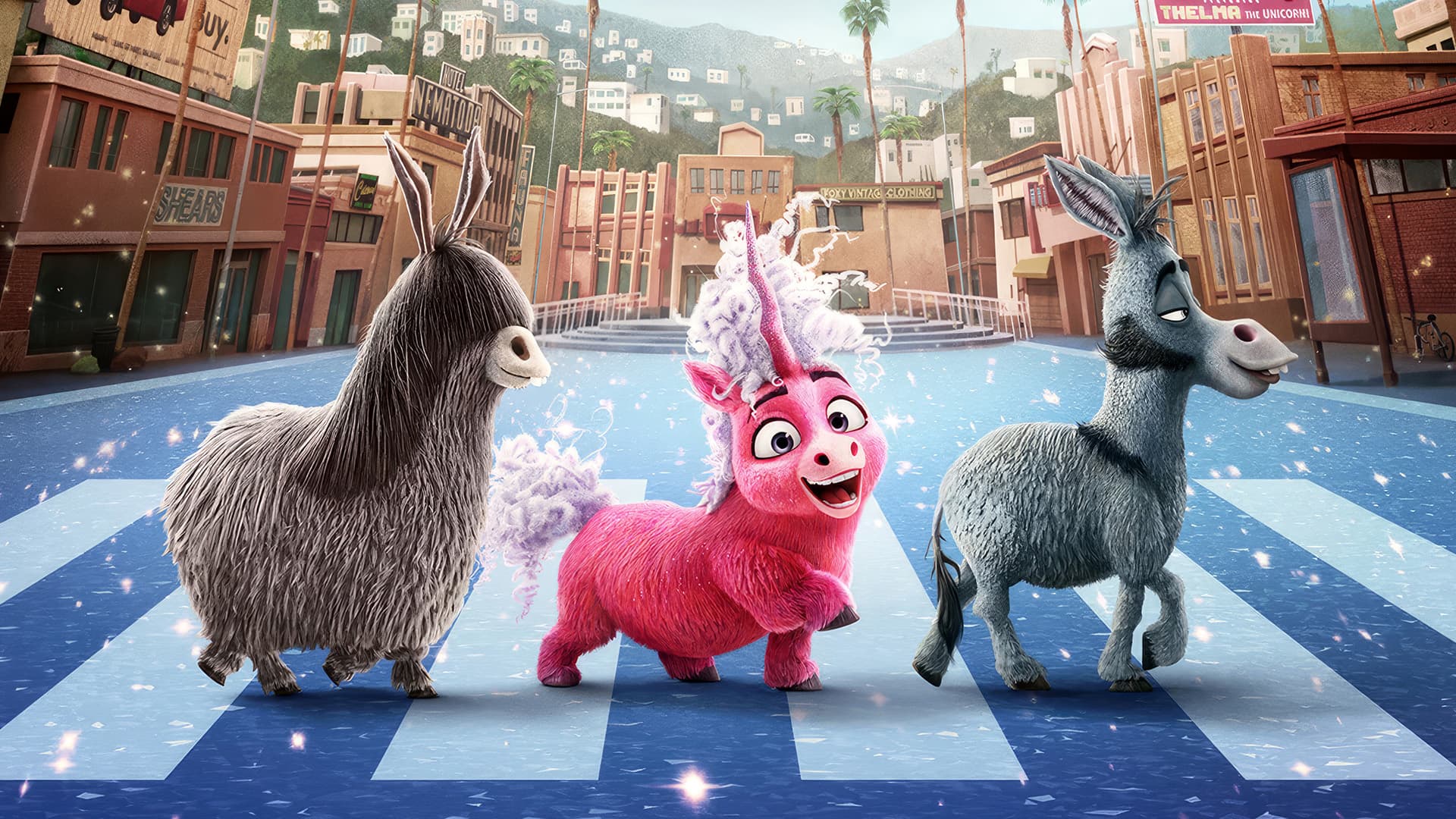
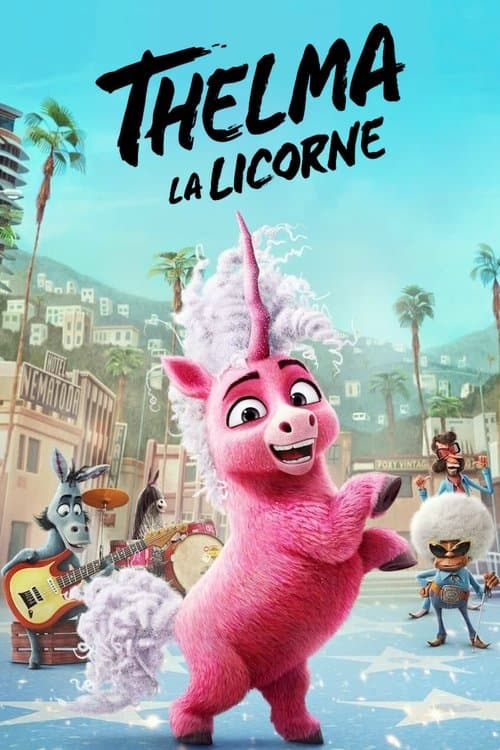
Thelma the Unicorn is a bright animated musical comedy made for broad family viewing, with a playful tone and lots of stage energy. The main sensitive material comes from fame pressure, deception about identity, public embarrassment, and a few cartoon danger scenes involving a manipulative antagonist. The movie stays very stylized and non graphic, yet some younger children may still react to friendship conflict, the threatening attack on a vehicle, or the stress of Thelma nearly being exposed in front of others. These moments are present but not constant, because the story regularly returns to songs, comedy, and a reassuring visual world. For many children, it is a comfortable fit from around age 6, especially if they already handle mild animated tension well. Parents may want to talk afterward about honesty, self acceptance, and how the film presents rivalry and fame in an exaggerated comic way.
Synopsis
Thelma dreams of being a glamorous unicorn. Then in a rare pink and glitter-filled moment of fate, Thelma's wish comes true. She rises to instant international stardom, but at an unexpected cost. After a while, Thelma realizes that she was happier as her ordinary, sparkle-free self. So she ditches her horn, scrubs off her sparkles, and returns home, where her best friend is waiting for her with a hug.
Difficult scenes
Early in Thelma's rise to fame, an audition goes badly and the scene plays on embarrassment, failure, and the judgment of others. Children who are very sensitive to second hand humiliation may find this moment a little uncomfortable, even though the tone stays quick and comic. An ambitious manager behaves in a cold and manipulative way, then a vehicle carrying several characters is targeted and destroyed in a highly cartoonish scene. It briefly suggests real danger, even though nothing is graphic and the overall style remains fantastical. After Thelma becomes famous, she argues with her closest friend about her choices and the lie she is maintaining. This sequence may affect children who react strongly to friendship conflict, because sadness and disappointment are more prominent than action. Around the middle of the story, a rival tries to expose the truth about Thelma's appearance and confronts her in an enclosed space. Her disguise is forcibly washed off, creating a fairly tense social moment built around shame, secrecy, and fear of being exposed.
Where to watch
No verified platform for the US market yet. We keep this section updated as availability changes.
About this title
- Format
- Feature film
- Year
- 2024
- Runtime
- 1h 33m
- Countries
- United States of America
- Original language
- EN
- Directed by
- Lynn Wang, Jared Hess
- Main cast
- Brittany Howard, Will Forte, Jemaine Clement, Edi Patterson, Maliaka Mitchell, Ally Dixon, Fred Armisen, Zach Galifianakis, Jon Heder, Kristen Schaal
- Studios
- Netflix
Content barometer
Violence
1/5
Mild
Fear
1/5
Mild
Sexuality
0/5
None
Language
0/5
None
Narrative complexity
1/5
Accessible
Adult themes
0/5
None
Expert review
Thelma the Unicorn is a bright animated musical comedy made for broad family viewing, with a playful tone and lots of stage energy. The main sensitive material comes from fame pressure, deception about identity, public embarrassment, and a few cartoon danger scenes involving a manipulative antagonist. The movie stays very stylized and non graphic, yet some younger children may still react to friendship conflict, the threatening attack on a vehicle, or the stress of Thelma nearly being exposed in front of others. These moments are present but not constant, because the story regularly returns to songs, comedy, and a reassuring visual world. For many children, it is a comfortable fit from around age 6, especially if they already handle mild animated tension well. Parents may want to talk afterward about honesty, self acceptance, and how the film presents rivalry and fame in an exaggerated comic way.
Synopsis
Thelma dreams of being a glamorous unicorn. Then in a rare pink and glitter-filled moment of fate, Thelma's wish comes true. She rises to instant international stardom, but at an unexpected cost. After a while, Thelma realizes that she was happier as her ordinary, sparkle-free self. So she ditches her horn, scrubs off her sparkles, and returns home, where her best friend is waiting for her with a hug.
Difficult scenes
Early in Thelma's rise to fame, an audition goes badly and the scene plays on embarrassment, failure, and the judgment of others. Children who are very sensitive to second hand humiliation may find this moment a little uncomfortable, even though the tone stays quick and comic. An ambitious manager behaves in a cold and manipulative way, then a vehicle carrying several characters is targeted and destroyed in a highly cartoonish scene. It briefly suggests real danger, even though nothing is graphic and the overall style remains fantastical. After Thelma becomes famous, she argues with her closest friend about her choices and the lie she is maintaining. This sequence may affect children who react strongly to friendship conflict, because sadness and disappointment are more prominent than action. Around the middle of the story, a rival tries to expose the truth about Thelma's appearance and confronts her in an enclosed space. Her disguise is forcibly washed off, creating a fairly tense social moment built around shame, secrecy, and fear of being exposed.