The Wolf and the Lion
Does this age rating seem accurate to you?
Detailed parental analysis
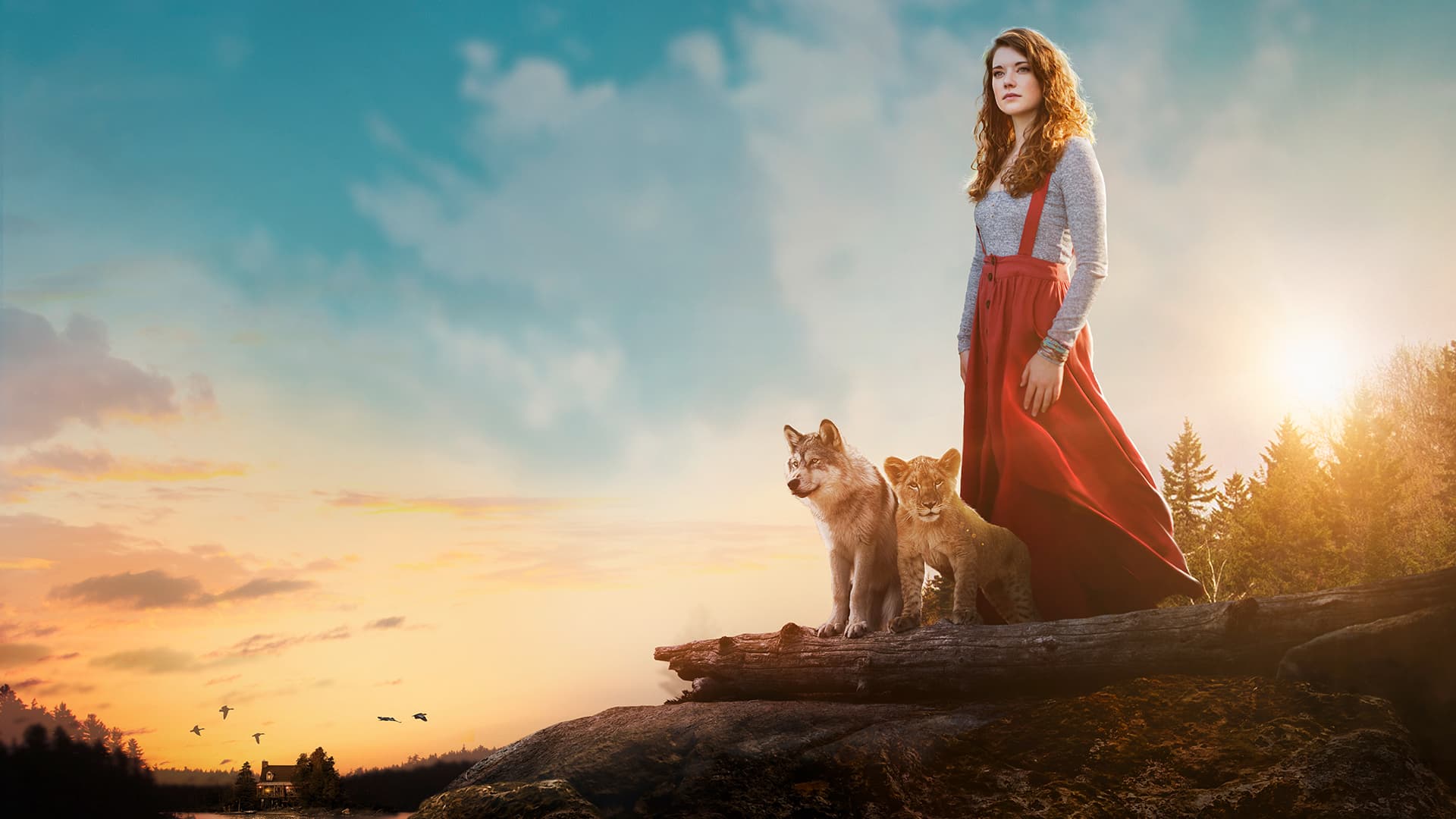
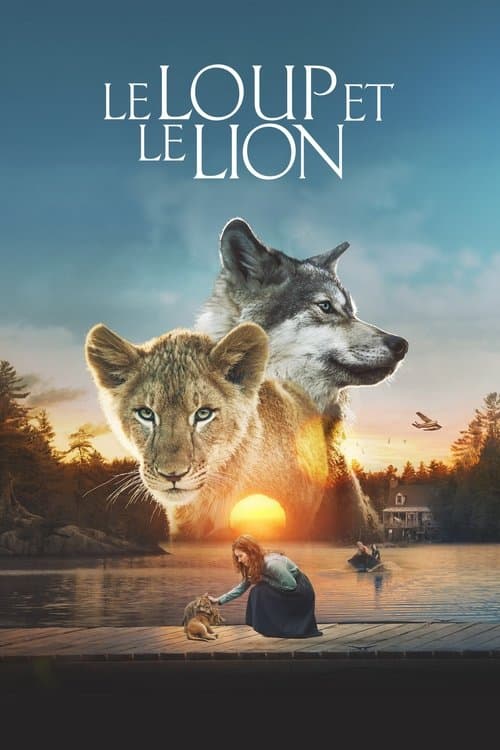
The Wolf and the Lion is a family adventure film with a warm and contemplative atmosphere, carried by stunning natural landscapes and careful cinematography of wild fauna. A solitary young musician discovers a wolf cub and a lion cub in the Canadian forest of her childhood and attempts to raise them together far from the adult world. The film is primarily aimed at children from 7-8 years old and their families, with a sensibility close to that of an animal fable.
Violence
Several scenes are likely to upset or frighten younger viewers. The capture of a sleeping lioness by tranquiliser dart to steal her cub is filmed without graphic indulgence but with a narrative clarity that makes the cruelty of poaching readable and oppressive. A wolf is caught in a net, struggles, injures itself, and risks asphyxiation against a branch, a scene that may be distressing for sensitive children. Towards the end of the film, armed teams hunt the two animals with rifles and tranquiliser darts in a tense sequence. These moments of peril are clearly directed against the human antagonists; their narrative purpose is to strengthen empathy towards the animals and to give meaning to the protagonist's struggle. The violence remains bloodless and gore-free, but its emotional intensity is genuine.
Underlying Values
The film places animal freedom at the heart of its message, conveyed as an almost spiritual value by Alma's late grandfather. This positioning is sincere and consistent with the narrative, but it produces a problematic secondary message: the young heroine raises wild predators alone, makes unilateral and risky decisions, and her journey is broadly validated by the narrative without genuine questioning of the limits or dangers of this approach. Adolescent autonomy in the face of institutional authority presented as blind or malevolent is valorised in binary terms. This is an interesting angle to discuss with a child, as the film invites admiration for behaviours that in reality call for much greater caution and expert guidance.
Social Themes
Animal welfare and opposition to the circus industry form the thematic foundation of the film. The critique of the exploitation of wild animals for entertainment purposes is direct and unambiguous: the circus owner is depicted as a morally caricatured antagonist. The film does not explore these issues with much nuance, but it offers a natural point of entry for discussing with a child the question of animal welfare, wild species in captivity, and what freedom means for an animal born outside its natural habitat.
Parental and Family Portrayals
The central parental figure is that of a loving grandfather, already deceased at the start of the film, whose transmission of values structures the entire narrative. His physical absence weighs on Alma like an active mourning, and his video letter from beyond the grave constitutes an emotionally powerful moment. The substitute adult figures, notably the institutional representatives and the circus owner, are either deficient or frankly hostile. This narrative pattern in which the child outperforms the adults around her is classic to the genre, but merits being noted.
Language
The film contains a few isolated instances of colloquial language, including a mild swear word and a blasphemous expression in the original English version. Nothing sustained or repeated; this point is inconsequential for an audience of 8 years and above.
Strengths
The film succeeds in creating an authentic emotional connection between the viewer and the two animals, largely thanks to remarkable work on the physical presence and behaviour of the wolf and lion on screen. The relationship between the two predators, rendered credible through patient direction, functions as a sober metaphor for friendship across differences. Alma's mourning is treated with a restraint that avoids melodrama, and music holds a genuine narrative place, the character being a pianist. For a young child, this is a film that stimulates empathy towards living things and raises questions about the place of animals in the human world without requiring heavy-handed didacticism.
Age recommendation and discussion points
The film is suitable from 7 years old, with parental presence recommended for more sensitive children around that age, primarily because of the trap and hunting scenes. Two discussion angles are worth pursuing after viewing: ask the child whether Alma did the right thing in keeping the wolf and lion alone without consulting specialists, and what could have happened differently; and address the question of what wild animals actually experience in circuses or zoos, starting from what the film shows.
Synopsis
After her grandfather's death, 20-year-old Alma decides to go back to her childhood home - a little island in the heart of the majestic Canadian forest. Whilst there, she rescues two helpless cubs: a wolf and a lion. They forge an inseparable bond, but their world soon collapses as the forest ranger discovers the animals and takes them away. The two cub brothers must now embark on a treacherous journey across Canada to be reunited with one another and Alma once more.
About this title
- Format
- Feature film
- Year
- 2021
- Runtime
- 1h 39m
- Countries
- Canada, France
- Original language
- EN
- Directed by
- Gilles de Maistre
- Main cast
- Molly Kunz, Graham Greene, Charlie Carrick, Derek Johns, Rebecca Croll, Rhys Slack, Evan Buliung, Daniel Brochu, Victor Cornfoot, Paula Costain
- Studios
- Galatée Films, Mai Juin Productions, StudioCanal, Super Écran, SODEC, Canal+, Ciné+, Transfilm International, M6 Films, Sphere Films
Content barometer
- Violence2/5Moderate
- Fear3/5Notable tension
- Sexuality0/5None
- Language1/5Mild
- Narrative complexity3/5Complex
- Adult themes0/5None
Watch-outs
- Grief
- Death / grief
Values conveyed
- Courage
- Acceptance of difference
- Compassion
- Autonomy
- friendship
- animal welfare
- loyalty