The Wind in the Willows
Does this age rating seem accurate to you?
Detailed parental analysis
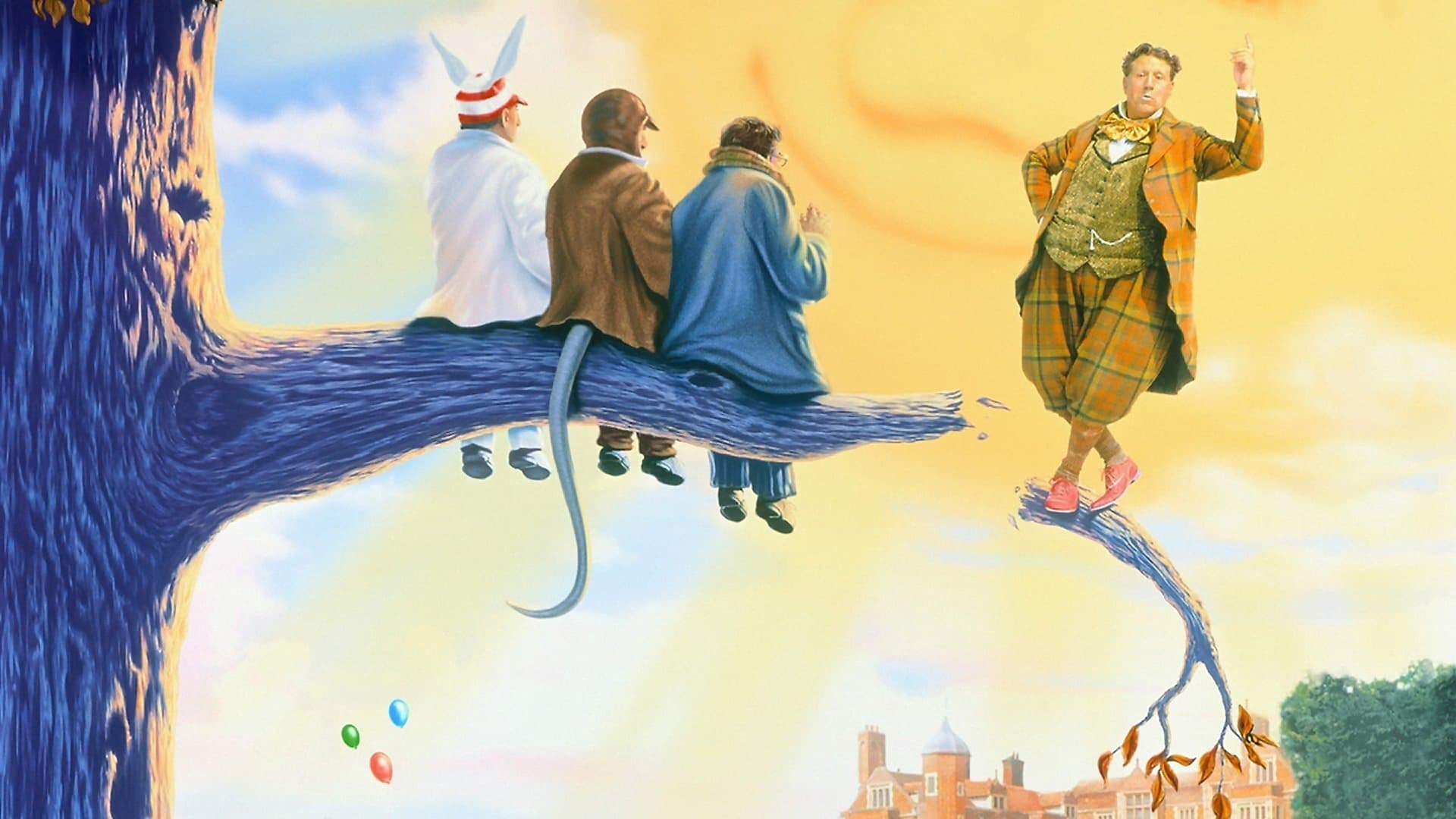
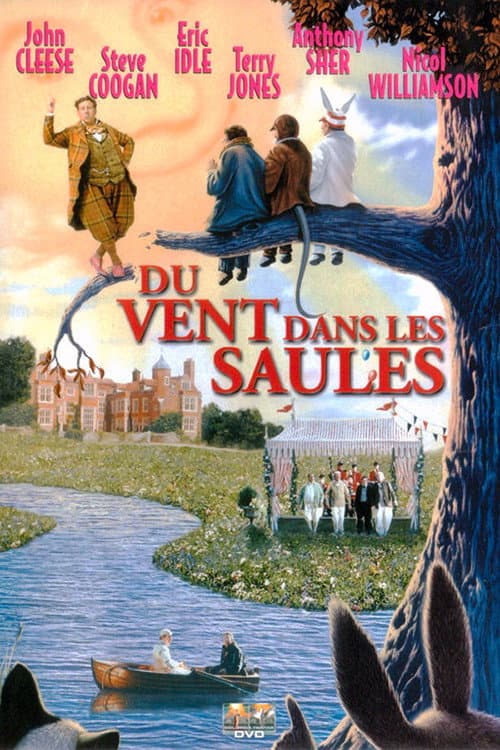
The Wind in the Willows is an adventure comedy with offbeat and sometimes dark humour, freely adapted from Kenneth Grahame's classic novel. The plot follows four anthropomorphic animal friends forced to unite in order to reclaim Toad's manor, which has fallen into the hands of an unscrupulous gang of weasels. The film is primarily aimed at children from 7-8 years old, but its satirical humour and references to absurdist British comedy will appeal more to adults than to very young children.
Violence
The violence is comedic and stylised, in the tradition of British farce, but it reaches moments of intensity that may come as a surprise. The climactic scene, in which the weasels plan to grind the main characters in a mincing machine at a dog food factory, is frankly sinister in concept, even though it is treated in the register of the absurd. The weasel leader is blown up along with the factory as a denouement, which constitutes a character death presented in spectacular fashion. The blows exchanged between characters, including a police officer, remain in the register of cartoon slaps, without realistic consequences. The whole never descends into gore, but the combination of a concrete threat of death and repeated physical violence merits being anticipated for the most sensitive children.
Underlying Values
The film carries a clear critique of consumerism and exploitation: the weasels embody a predatory capitalism that transforms nature into a factory and others into resources. In mirror, Toad's arc offers an honest reflection on excess, ego and redemption: the character acknowledges his wrongs, offers apologies and promises to change, without the film offering him easy absolution. The value of faithful and selfless friendship structures the entire narrative, with Toad's three companions supporting him despite his repeated failings. A slight anti-modernity nostalgia runs through the film, which opposes the gentleness of life by the riverside to the industrial brutality of the weasels.
Substances
The weasels are shown drinking in several scenes, and their drunkenness is treated as a comical character trait associated with their coarseness. Alcohol consumption is not valorised as such: it reinforces the negative characterisation of the antagonist group. No substance other than alcohol is present in the film.
Social Themes
The film borrows from the original novel its satire of British class society, opposing the animal gentry represented by Toad and his friends to a vengeful and manipulated working class embodied by the weasels. This reading is not driven home didactically, but it is sufficiently present to offer an interesting angle for discussion with a curious child or adolescent.
Language
The verbal register remains broadly family-friendly, with a few mild insults such as 'garbage brain' or 'nincompoop' used repeatedly. Nothing vulgar in the strict sense, but the tone of the weasels is deliberately threatening and disrespectful, which contributes to their characterisation as a hostile group.
Strengths
The film draws real strength from its absurdist humour and its ability to make a genuine threat and lightness of tone coexist without one cancelling out the other. Toad's redemption arc is treated with a sincerity rare in the genre: the character does not get out of his predicament by magic but through an explicit effort of acknowledging his faults. The social satire, inherited from Grahame's novel, gives the narrative a depth that children's animated films do not always possess. The film also serves as a gateway to a major literary text of Anglophone culture, which gives it genuine cultural transmission value.
Age recommendation and discussion points
The film is suitable from 7-8 years old for children who are not easily unsettled, and rather from 9-10 years old for fully serene viewing, particularly because of the factory scene and the death of the weasel leader. Two angles of discussion are worth opening after viewing: why is Toad forgiven by his friends despite his repeated mistakes, and what makes the weasels so threatening when they are also ridiculous?
Synopsis
Jailed for his reckless driving, rambunctious Mr. Toad has to escape from prison when his beloved Toad Hall comes under threat from the wily weasels, who plan to build a dog food factory on the very meadow sold to them by Toad himself.
About this title
- Format
- Feature film
- Year
- 1996
- Runtime
- 1h 27m
- Countries
- United Kingdom
- Original language
- EN
- Directed by
- Terry Jones
- Main cast
- Terry Jones, Steve Coogan, Eric Idle, Nicol Williamson, Antony Sher, John Cleese, Stephen Fry, Bernard Hill, Michael Palin, Julia Sawalha
- Studios
- Allied Filmmakers, John Goldstone Productions
Content barometer
- Violence3/5Notable
- Fear3/5Notable tension
- Sexuality0/5None
- Language1/5Mild
- Narrative complexity1/5Accessible
- Adult themes2/5Present
Values conveyed
- Friendship
- Loyalty
- Forgiveness
- courage
- teamwork