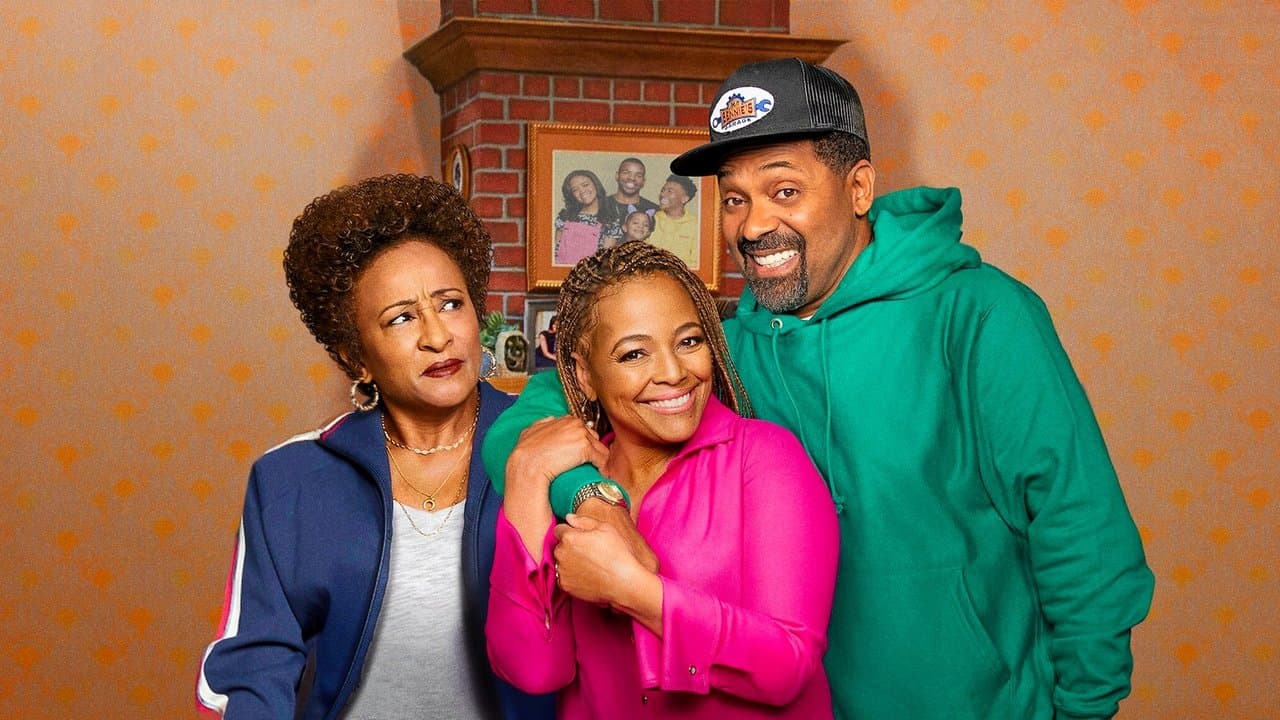

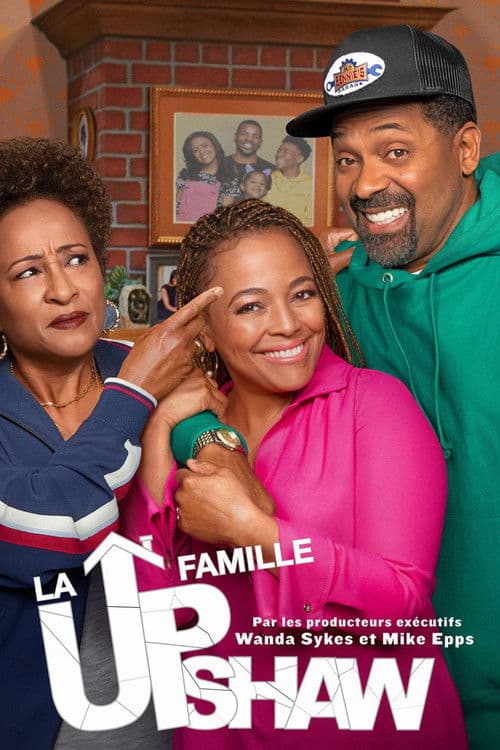
The Upshaws
Does this age rating seem accurate to you?
Detailed parental analysis
The Upshaws is an American family comedy with a sharp and often biting tone, clearly inspired by 1990s sitcoms but with more direct, uncompromising writing. The series follows a working-class African American family from Indiana struggling to stay afloat despite precarious finances, past infidelity and the friction of a blended family. The tone is warm but resolutely adult, and the series targets an audience of parents and young adults, not children.
Language
Language is the most immediately striking element of the series. Profanities are frequent and naturally woven into the dialogue: common swearing, mild insults and, repeatedly, the use of the N-word, employed between black characters in a familiar, communal register. This stylistic choice is consistent with the culture being represented but warrants anticipation when watching with a teenager, particularly to distinguish intracommunal usage from outright racist slur. The series filters nothing and embraces this register as a marker of authenticity.
Parental and Family Portrayals
The father figure is central and profoundly flawed: Bennie Upshaw is a loving but irresponsible father who fathered a child with another woman during his marriage and chronically struggles to meet his financial and emotional obligations. The series neither absolves nor condemns him; rather, it shows him struggling, backing down and trying again. The mother, Regina, embodies a form of rigour and endurance that counterbalances the father's failings. The parental dynamic is conflictual but never cruel, and the series makes this tension its primary narrative engine. This is one of the richest aspects to discuss with a teenager.
Underlying Values
The series clearly values family solidarity, perseverance in the face of precarity and the idea that love alone is insufficient without concrete responsibility. It takes working-class economic hardship seriously without romanticising or caricaturing it. Bernard Jr.'s coming-out is treated with simplicity and affection, without making it a dramatic event: the family accepts him without crisis, reflecting a certain ideal of inclusive normality. The honesty of conflicts left unresolved in thirty minutes gives the series genuine moral coherence: mistakes have consequences, and relationships are built over time.
Sex and Nudity
Sexual content remains suggestive: flirtation, allusions to past or present sexual encounters, and a strip-tease-themed party involving teenagers in one episode. There is neither nudity nor explicit scenes, but the register is clearly adult. The father's infidelity, with a child as its consequence, is a recurring subject that treats sexuality outside marriage as a plot fact with real family repercussions.
Substances
Alcohol consumption is depicted matter-of-factly, notably beer in social contexts. Marijuana is mentioned and referenced in dialogue without being staged spectacularly or particularly valorised. These elements are part of the everyday landscape depicted, without the series making them an explicit moral subject.
Social Themes
Belonging to the African American community is a cross-cutting dimension of the series, present in language, cultural references and social dynamics. Economic precarity and class inequality are treated not as scenery but as a structural constraint that characters inhabit daily. These elements give the series a sociological resonance that older teenagers can grasp and discuss.
Strengths
The real strength of The Upshaws lies in its refusal of the neat, reassuring sitcom format: conflicts endure, characters make mistakes without being immediately forgiven, and family love is shown as something that must be earned and rebuilt. The writing is brisk, the dialogue sharp, and secondary characters have enough depth to avoid stock types. The series offers an uncommon portrait of a black American working-class family that defies reduction to either despair or exemplary success, lending it a narrative authenticity that carries real weight.
Age recommendation and discussion points
The series is not recommended before age 14 due to language, adult themes and an overall unfiltered register. For genuinely relaxed and fruitful viewing, 16 is a more appropriate threshold. Two concrete angles to explore with a teenager after viewing: why a father can be both loving and profoundly failing, and what that says about responsibility in a relationship; and how the Upshaw family manages past mistakes without erasing them, which raises the question of forgiveness and its limits.
Synopsis
Bennie Upshaw, the head of a Black working class family in Indianapolis, is a charming, well-intentioned mechanic and lifelong mess just trying his best to step up and care for his family and tolerate his sardonic sister-in-law, all without a blueprint for success.
Where to watch
Availability checked on Apr 03, 2026
About this title
- Format
- TV series
- Year
- 2021
- Countries
- United States of America
- Original language
- EN
- Directed by
- Regina Y. Hicks, Wanda Sykes
- Main cast
- Mike Epps, Kim Fields, Wanda Sykes, Khali Spraggins, Journey Christine, Jermelle Simon
- Studios
- Push It Productions, Naptown Productions, Savannah Sweet Productions
Content barometer
- Violence0/5None
- Fear0/5None
- Sexuality2/5Mild
- Language4/5Strong
- Narrative complexity2/5Moderate
- Adult themes2/5Present
Watch-outs
Values conveyed
- Acceptance of difference
- Perseverance
- Loyalty
- Forgiveness
- family
- solidarity
- resilience
- support