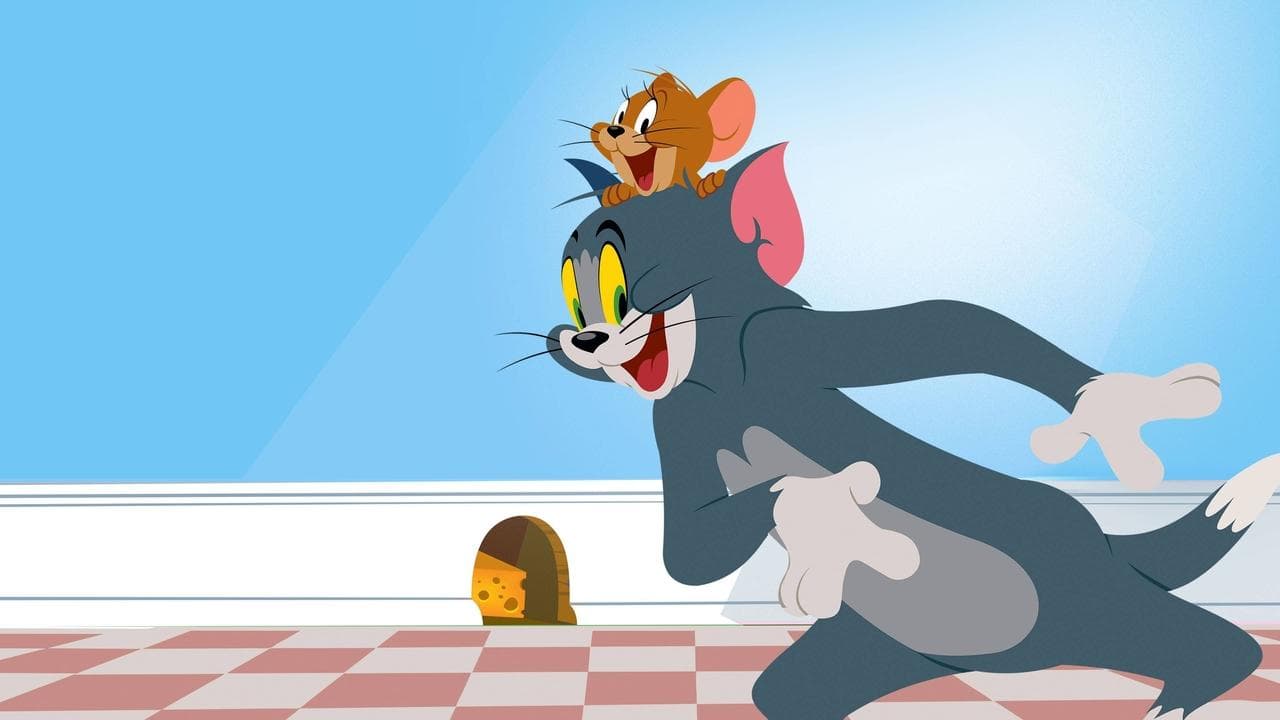

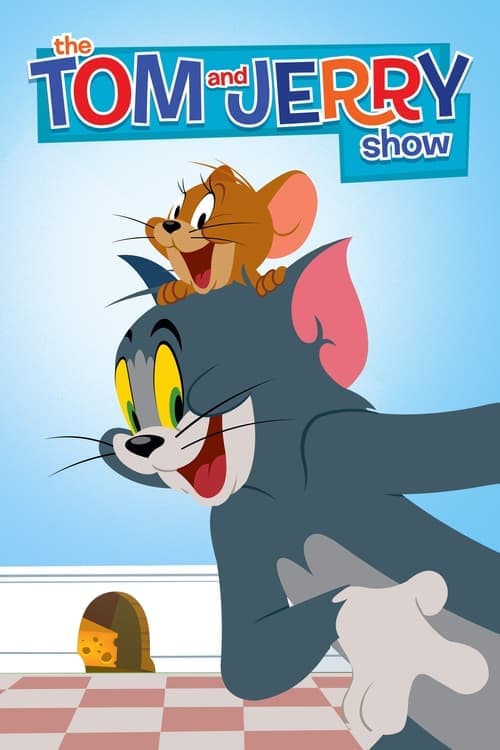
The Tom and Jerry Show
Does this age rating seem accurate to you?
Detailed parental analysis
Tom and Jerry Show (2014) is a lively animated comedy series designed for young children that revisits the classic rivalry between cat Tom and mouse Jerry through short, repetitive adventures. Each episode relies on the same mechanism: the two protagonists chase each other, inflict quantities of blows and traps, then emerge unscathed for the next round. The tone is deliberately light and cartoonish, but slapstick violence is dense and central to it.
Violence
Violence is the sole dramatic engine of the series and it is omnipresent. Frying pan strikes, falls down stairs, needle pricks, projections against walls, characters shaken inside bottles: the sequences unfold at a sustained pace, always played for comedy. No character ever suffers lasting consequences, which is precisely the principal warning sign: violence is here normalised by its complete absence of cost. Innocent bystanders are regularly drawn into the destruction and suffer its damage without reason. For a very young child, the risk is not trauma, but the silent integration of a model in which harming others is trivial, recurring and amusing.
Underlying Values
The two main characters are seasoned manipulators, skilled at feigning innocence to escape the consequences of their actions. Cunning, lying and deception are valued as survival tools without ever being questioned by the narrative. There is no resolution, no reconciliation, no moral: the series simply stops before anything changes. The character of Spike the bulldog, meant to embody a form of authority, is himself depicted as arbitrarily aggressive, blurring the possibility of a clear point of reference for the child. There are no moral heroes in this series, only survivors.
Parental and Family Portrayals
Adult or authority figures are either absent, overwhelmed, or themselves victims of the surrounding chaos. No parental or educational figure plays a stabilising role. The absence of functioning adult framework reinforces the idea that consequences never really arrive.
Strengths
The series fulfils a real function of cultural transmission: Tom and Jerry belong to the history of animation and this 2014 version allows a new generation to access this heritage in a streamlined format. The short episodes are well paced, the drawing is clean, and the comic mechanics of cat and mouse remain effectively constructed around a sense of visual timing. The 2014 version also removed the most dated elements of the original series (tobacco, light insinuations), which makes it slightly more neutral on these specific points. For a young child already exposed to slapstick animation, it can function as an introduction to a codified genre. Its qualities remain nonetheless formal: the series brings neither narrative depth nor emotional intelligence.
Age recommendation and discussion points
The series is suitable from age 5 or 6 years in supervised viewing, provided you take a few minutes after each episode to clearly remind the child that bumps and blows really do hurt in real life, unlike what the cartoon shows. Two simple questions to ask the child: is Tom or Jerry actually injured when he receives a blow, and would it be the same if that happened to you or to a friend?
Synopsis
The iconic cat and mouse rivals are back in a fresh take on the classic series. Preserving the look, characters and sensibility of the original, this series shines a brightly colored, high-definition lens on the madcap slapstick and never-ending battle that has made Tom and Jerry two of the most beloved characters of all time.
Where to watch
Availability checked on Apr 03, 2026
About this title
- Format
- TV series
- Year
- 2014
- Runtime
- 7m
- Countries
- United States of America
- Original language
- EN
- Main cast
- Rick Zieff, Kath Soucie, Grey DeLisle, Stephen Stanton, Joey D'Auria, Gary Cole, Sam Kwasman
- Studios
- Warner Bros. Animation, Renegade Animation
Content barometer
- Violence3/5Notable
- Fear1/5Mild
- Sexuality0/5None
- Language0/5None
- Narrative complexity1/5Accessible
- Adult themes0/5None
Watch-outs
- Violence
Values conveyed
- Friendship
- Loyalty
- ingenuity
- humor
- perseverance
- implicit camaraderie