The Theory of Evolution
進化論
Does this age rating seem accurate to you?
Detailed parental analysis
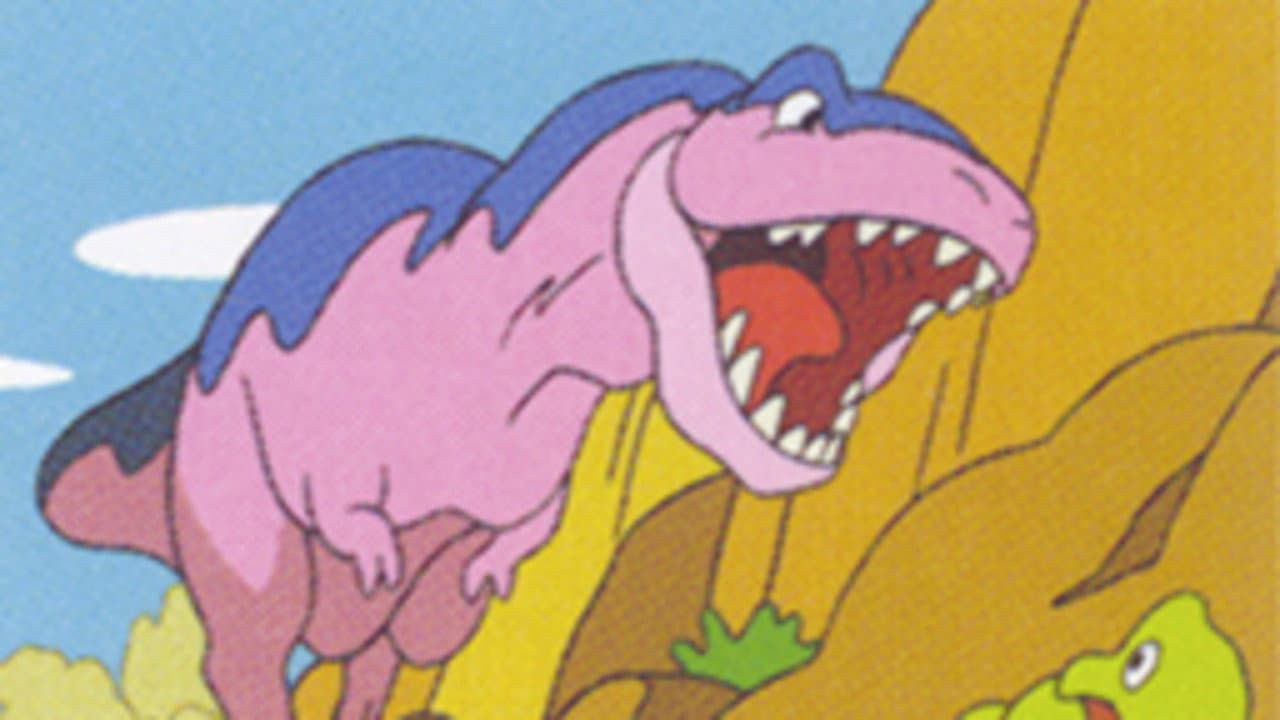
The Theory of Evolution is a silent, contemplative short film lasting two minutes, designed to be screened in a museum setting. Without dialogue or central character, it unfolds a succession of visual transformations tracing the evolution of life over millions of years. The film addresses all audiences, from curious children to adults, in a spirit of scientific discovery and wonder.
Social Themes
The film takes as its central subject the theory of the evolution of species, presented as a fluid and inexorable sequence of metamorphoses. This vision of life, rigorously secular and scientific, can open a useful conversation with children about the difference between scientific narrative and mythological or religious accounts of origins. The representation is neutral and non-polemical, but the subject itself may resonate differently depending on family beliefs.
Underlying Values
The visual narrative implicitly values continuity, transformation and humanity's belonging to the living world as a whole. There is neither hero nor antagonist, nor moral judgement: life changes, adapts, continues. It is a vision of the world founded on interdependence and duration, contrary to any logic of performance or domination.
Strengths
In two minutes without a single word, the film manages to make tangible an abstract and vertiginous idea: the scale of evolutionary time. The fluidity of the visual transformations is pedagogically effective, as it shows what words struggle to convey, namely the continuity between forms of life. For a child, it is an intuitive introduction to scientific thinking, far more memorable than a lecture. For an adult, it is an invitation to contemplation. The brevity of the format is a strength: it allows the image to work without over-explanation.
Age recommendation and discussion points
The film is suitable from age 4 onwards, without reservation. After viewing, two angles of discussion naturally present themselves: ask the child which transformation surprised them most and why, then explore together the idea that humans and animals share common ancestors, which can nourish simple and concrete reflection on our place in the living world.
Synopsis
The story of evolution, from the first aquatic organisms to modern man (and woman).
About this title
- Format
- Short film
- Year
- 2008
- Runtime
- 3m
- Countries
- Japan
- Original language
- JA
- Directed by
- Hiromasa Yonebayashi
- Studios
- Studio Ghibli
Content barometer
- Violence0/5None
- Fear0/5None
- Sexuality0/5None
- Language0/5None
- Narrative complexity0/5Simple
- Adult themes0/5None
Values conveyed
- Acceptance of difference
- Perseverance
- Autonomy
- curiosity
- nature
- discovery