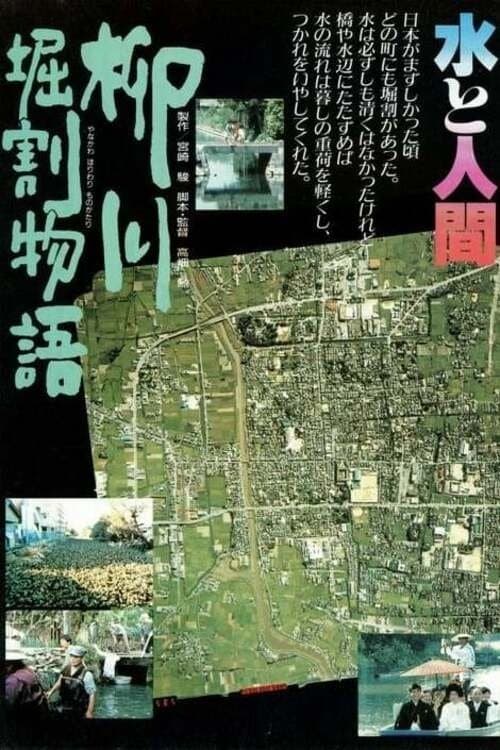
The Story of Yanagawa's Canals
柳川の運河の物語
Does this age rating seem accurate to you?
Detailed parental analysis
A contemplative and educational documentary, this film follows the mobilisation of a Japanese community to restore the historic canal network of Yanagawa, which had long been abandoned and polluted. The subject matter, both a local chronicle and a reflection on the relationship between people and their built environment, is addressed primarily to an adult or inquisitive teenage audience, even though it was broadcast on a mainstream public television channel.
Social Themes
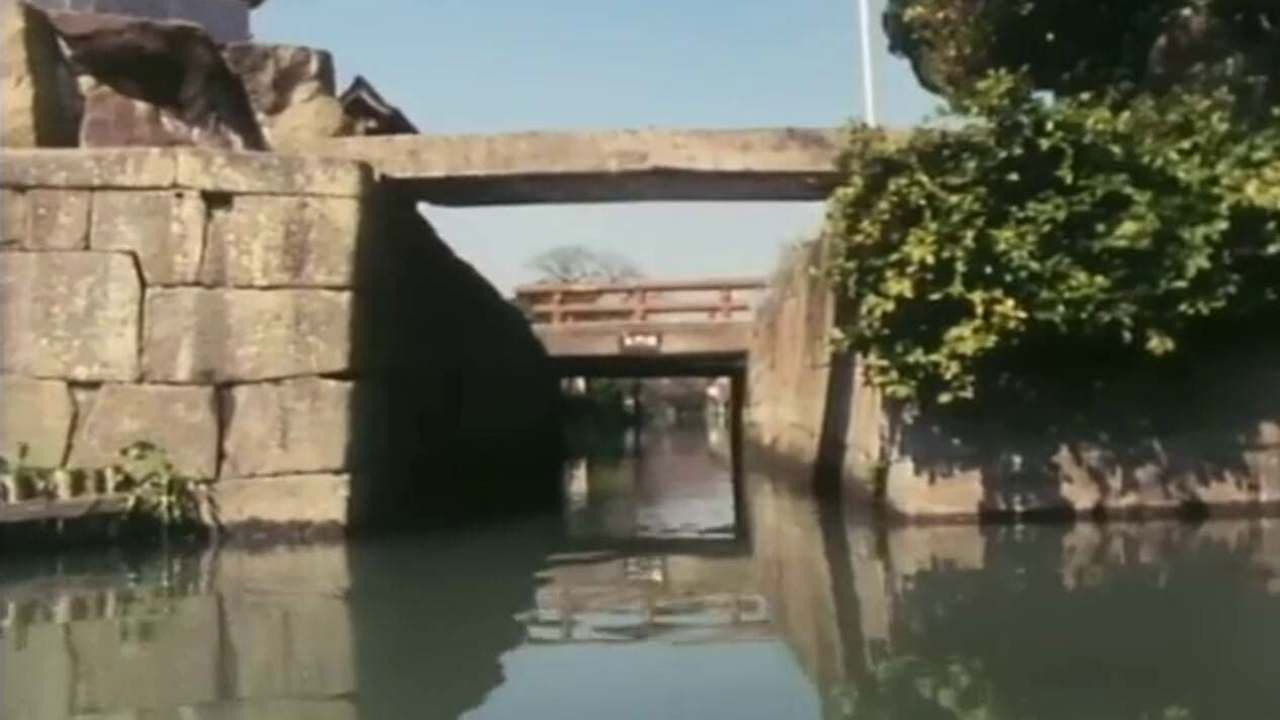
Ecology lies at the living heart of the film. The pollution of the canals is described with precision: sewage, accumulated waste, the progressive abandonment of a hydraulic network that was once vital. The film does not merely deplore this state of affairs; it analyses its social and economic causes, contrasting the logic of urban development with that of preserving living heritage. The tensions between government bodies, residents and developers concretely illustrate how collective decisions shape a territory. The historical role of the canals as a defensive infrastructure is also addressed, but solely from the angle of historical explanation, without wartime dramatisation.
Underlying Values
The film constructs a coherent plea for collective solidarity and civic engagement. The restoration of the canals is not presented as the work of a hero or an institution, but as the result of mobilisation by ordinary residents. This valorisation of the collective over the individual is rare and merits being emphasised with a teenager. Implicitly, the film also questions the relationship to bureaucratic authority: the obstacles posed by administrative structures are shown without indulgence, which introduces a useful nuance on the difference between civic engagement and institutional submission.
Parental and Family Portrayals
The film does not present a family structure in the narrative sense, but it shows communities of residents of all ages, including elder figures who transmit a memory of the place. This intergenerational relationship to the territory and to local knowledge constitutes a gentle form of model, without idealisation.
Strengths
The film possesses genuine documentary intelligence: it does not merely move viewers, it explains. The animated sequences inserted to illustrate how the locks function and the logic of the hydraulic network are an effective pedagogical tool, making complex mechanisms accessible without excessive simplification. The length of one hundred and sixty-five minutes is demanding, but it reflects a determination to address the subject in its historical, technical and human depth. For a teenager interested in environmental, urban planning or local history issues, this film offers a concrete framework for understanding how a community can regain control of a degraded space. The film's measured pace is less a flaw than a deliberate stance: it asks the viewer to observe a territory as its inhabitants experience it.
Age recommendation and discussion points
This film is suitable from the age of twelve for a curious and patient teenager, but it will be fully appreciated from the age of fourteen, when civic and environmental issues can be discussed with greater perspective. Two concrete angles for discussion after viewing: why can a canal become a sewer within a few decades, and what drives ordinary people to devote time and energy to preserving something that belongs to everyone and to no one in particular.
Synopsis
A partially-animated documentary about the preservation and restoration of the canal system in Yanagawa, Fukuoka
About this title
- Format
- Feature film
- Year
- 1987
- Runtime
- 2h 47m
- Countries
- Japan
- Original language
- JA
- Directed by
- Isao Takahata
- Main cast
- Masahiko Kunii, Sachiko Kagami, Isao Takahata, Norio Akasaka
- Studios
- Nibariki, Studio Ghibli
Content barometer
- Violence0/5None
- Fear0/5None
- Sexuality0/5None
- Language0/5None
- Narrative complexity2/5Moderate
- Adult themes0/5None
Values conveyed
- Acceptance of difference
- Perseverance
- ecology
- community
- heritage
- cooperation