
The Smurfs
Does this age rating seem accurate to you?
Detailed parental analysis
The Smurfs is a family comedy in live-action mixed with digital animation, with a broadly upbeat and colourful tone, punctuated by chase sequences and slapstick humour. The plot follows a handful of Smurfs accidentally propelled into contemporary New York, pursued by the sorcerer Gargamel, and forced to find a way back to their village. The film targets children from around five or six years old, with some humorous nods intended for accompanying parents.
Discrimination
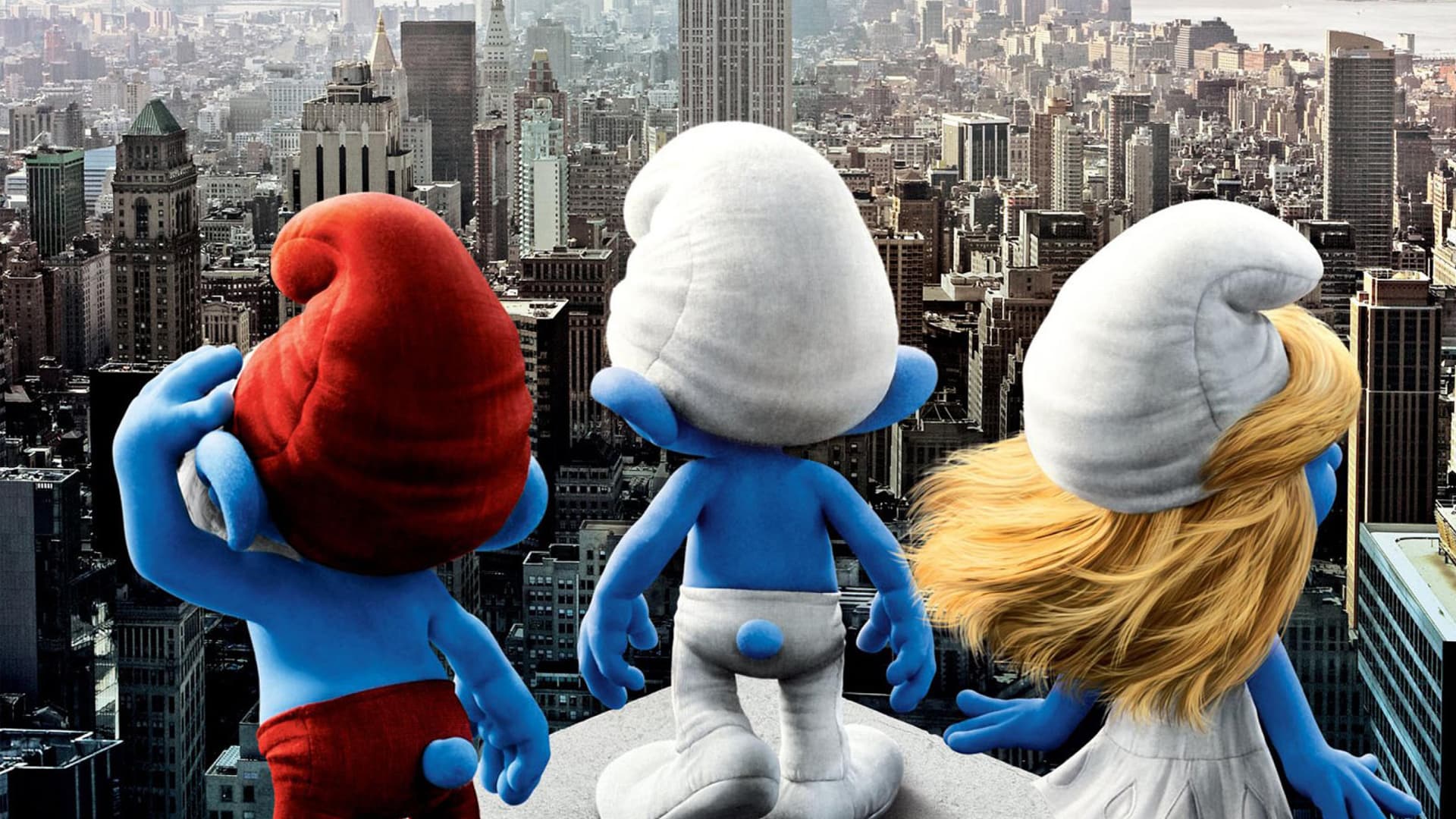
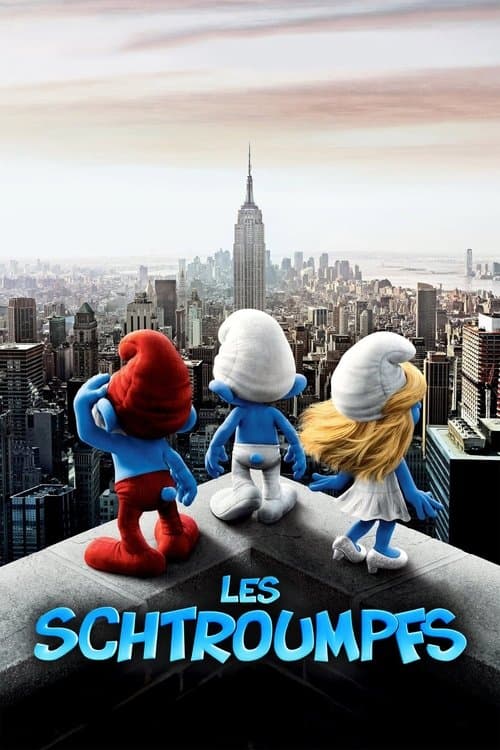
Smurfette is the only female character in the film and her treatment is problematic in its consistency: she is defined almost exclusively by her physical appearance (blonde hair, white dress, high heels), by her supposedly feminine tastes (dresses, unicorns) and by a suggestive posture directly modelled on Marilyn Monroe's iconography. The problem lies not in her presence but in the absence of any counterpoint: no other female character comes to broaden this representation. For a child forming their own points of reference, this sole figure deserves to be named and discussed. The film reproduces without questioning it a pattern in which the feminine is reduced to aesthetics and ornament.
Violence
Violence remains in cartoon register, but it is repeated and at certain moments genuinely threatening. The destruction of the Smurfs' village at the opening, the electric shocks inflicted on Papa Smurf and the attacks by Gargamel with his magic wand give the sorcerer character a concrete aggressiveness. This level of threat is calibrated for children of six years and older, but may lose or frighten younger ones, particularly sensitive children around four or five years old. The violence is never graphic or irreversible, and Gargamel is sufficiently cartoonish to remain in the register of a harmless villain in the eyes of school-age children.
Language
The film exploits the word 'Smurf' recurrently as a direct substitute for English profanities, producing formulas such as 'smurf off' or 'I smurfed my pants', whose undertone is transparent to any adult and to older children. This humorous device, conceived to amuse parents, in fact introduces into the film a coarse register that children may reproduce, sometimes without fully grasping its scope. This is a point to anticipate simply before or after viewing.
Underlying Values
The film carries two coherent and well-constructed structuring messages. The first concerns identity: the clumsy Smurf discovers that one is not reduced to the label attached to him, and that each person can contribute to the group differently from what is imagined. The second runs through the human subplot: a couple awaiting a child goes through a period of doubt about fatherhood and parental availability, and contact with the Smurfs helps them find proper priorities. These two threads are carried with sincerity, without didactic heaviness. The film also conveys values of solidarity and collective effort in the face of adversity, without ever glorifying individual performance at the expense of the group.
Parental and Family Portrayals
The human parental figure is central to the subplot and treated with a certain fairness: the future father is presented as overwhelmed by his professional ambitions, in the process of missing the turning point towards emotional availability that the situation will impose on him to correct. Papa Smurf plays the role of a benevolent and courageous paternal figure within the group, a positive model without being idealised. These representations offer real emotional grounding and can spark natural conversation with children about what it means to be there for those you love.
Strengths
The film honestly fulfils its function as light family entertainment: it is paced, visually clear for young children, and the humour works on multiple age levels. The subplot on fatherhood brings modest but real emotional depth, which prevents the film from reducing itself to a mere spin-off product. The Smurfs remain readable archetypes that help very young children identify simple character traits. Note should be made, however, of heavy-handed and acknowledged product placement that undermines narrative cohesion and clearly signals the commercial logic of the project.
Age recommendation and discussion points
The film is suitable from six years old for untroubled viewing. Two angles merit a short conversation after the film: ask the child what he thinks about the fact that Smurfette is the only female character and that she is defined mainly by her appearance, and explore with him what the clumsy Smurf learns about himself, to invite him to think about his own qualities beyond the labels given to him.
Synopsis
When the evil wizard Gargamel chases the tiny blue Smurfs out of their village, they tumble from their magical world and into ours -- in fact, smack dab in the middle of Central Park. Just three apples high and stuck in the Big Apple, the Smurfs must find a way to get back to their village before Gargamel tracks them down.
About this title
- Format
- Feature film
- Year
- 2011
- Runtime
- 1h 44m
- Countries
- United States of America, Belgium
- Original language
- EN
- Directed by
- Raja Gosnell
- Main cast
- Hank Azaria, Neil Patrick Harris, Jayma Mays, Jonathan Winters, Katy Perry, Anton Yelchin, Sofía Vergara, Tim Gunn, Frank Welker, Madison McKinley
- Studios
- Columbia Pictures, Sony Pictures Animation, The Kerner Entertainment Company
Content barometer
- Violence2/5Moderate
- Fear2/5A few scenes
- Sexuality1/5Allusions
- Language2/5Moderate
- Narrative complexity2/5Moderate
- Adult themes0/5None
Watch-outs
- Strong language
- Gender stereotypes
Values conveyed
- Courage
- Acceptance of difference
- friendship
- teamwork
- family