The Sisters
Does this age rating seem accurate to you?
Detailed parental analysis
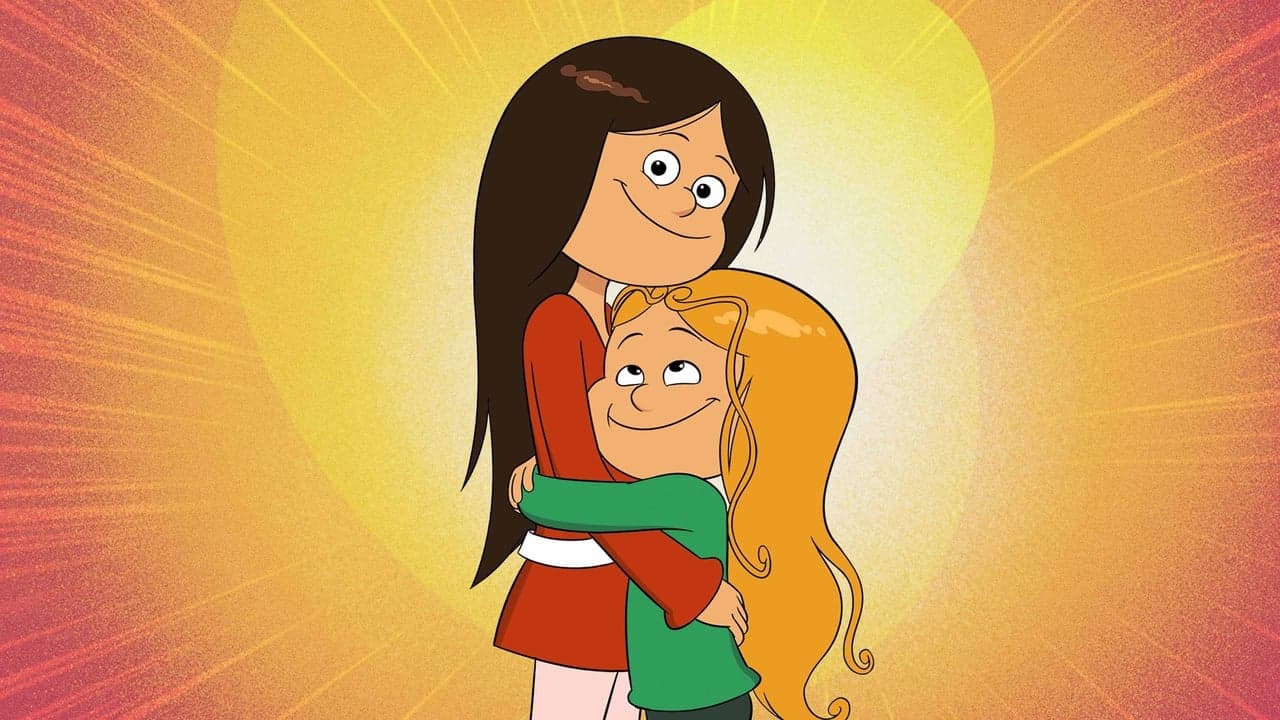
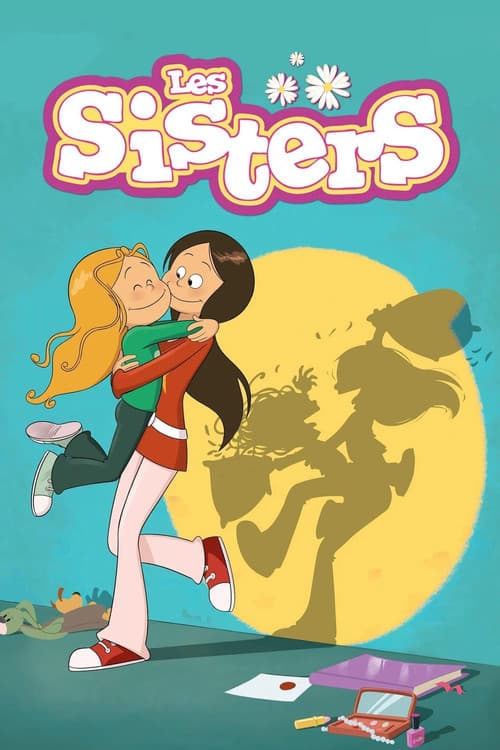
Les Sisters is a light and energetic family comedy, adapted from the comic strip by Cazenove and William. The film follows two sisters who are complete opposites: Wendy, the sensible older sister, and Marine, the mischievous younger one, caught up in a series of pranks and adventures during the school holidays. The target audience is clearly children from primary school age onwards, with physical humour and amusing situations that speak directly to 6 to 10-year-olds.
Underlying Values
The film builds its entire narrative around sibling complicity: the two sisters bicker constantly, play tricks on each other, tell lies, but systematically find themselves united in the face of adversity. This repeated pattern sends a sincere message about family love that survives everyday conflicts. On the other hand, lying is a recurring narrative tool, used by Marine without lasting consequence or explicit questioning. Children watching see a character lie frequently and get away with it, which deserves to be discussed after viewing. The autonomy of the two sisters, who act largely without adult supervision, is presented as natural and a source of adventure rather than as a risk.
Language
The film contains intentional French grammatical errors and colloquial expressions in Marine's dialogue, which are part of her character and the humour of the series. A few strong words and inappropriate phrases have been flagged by parents. The issue is not heavy vulgarity but imitation: young children easily reproduce this type of language without grasping its comic or deliberately incorrect nature. This is a concrete point to anticipate with younger viewers.
Parental and Family Portrayals
Parents are largely absent or sidelined in the two sisters' adventures, which is the classic device of the genre. This removal of adults is not presented as a family dysfunction but as a condition of childhood adventure. It is not problematic in itself, but it reinforces the idea that children manage better alone, without the real consequences of this autonomy ever being questioned.
Violence
Violence is exclusively comic and without gravity: chases involving a cow, bee stings, brambles, a water channel sweeping the children away, animated lion statues causing panic. These sequences belong to the cartoon register and contain no real violence or lasting physical consequences. Very young children, around 3 to 4 years old, may be startled by certain scenes of mild fear, particularly the animated statues, but the whole remains within the codes of family slapstick.
Strengths
The film captures with some accuracy the real dynamic between sisters of different ages: jealousies, sudden alliances, minor betrayals and tenderness that shows through nonetheless. The physical humour is well-paced and the two main characters are sufficiently contrasted to generate varied situations. For children who have brothers and sisters, the film offers an amusing mirror of their own everyday life, making it a good starting point for discussing sibling relationships.
Age recommendation and discussion points
The film is suitable from age 6 onwards for relaxed viewing, with younger children potentially being slightly startled by a few scenes of mild fear. Two angles are worth exploring after viewing: why does Marine lie so often and does it really cause her problems, and what is it that allows you to argue strongly with someone and still love them.
Synopsis
Wendy and Marine are two sisters who get along like a house on fire and share all their little secrets. But they also like to tease one another or use their boundless energy to get up to mischief.
About this title
- Format
- TV series
- Year
- 2017
- Countries
- France
- Original language
- FR
- Directed by
- William Maury, Christophe Cazenove
- Main cast
- Anaïs Delva, Kelly Marot, Thomas Sagols, Willy Rovelli, Maryne Bertieaux, Dorothée Pousséo
- Studios
- Bamboo éditions
Content barometer
- Violence1/5Mild
- Fear2/5A few scenes
- Sexuality0/5None
- Language2/5Moderate
- Narrative complexity1/5Accessible
- Adult themes0/5None
Watch-outs
Values conveyed
- Friendship
- Perseverance
- Loyalty
- Autonomy
- family
- sisterhood
- reconciliation