The Secret of Moonacre
Does this age rating seem accurate to you?
Detailed parental analysis
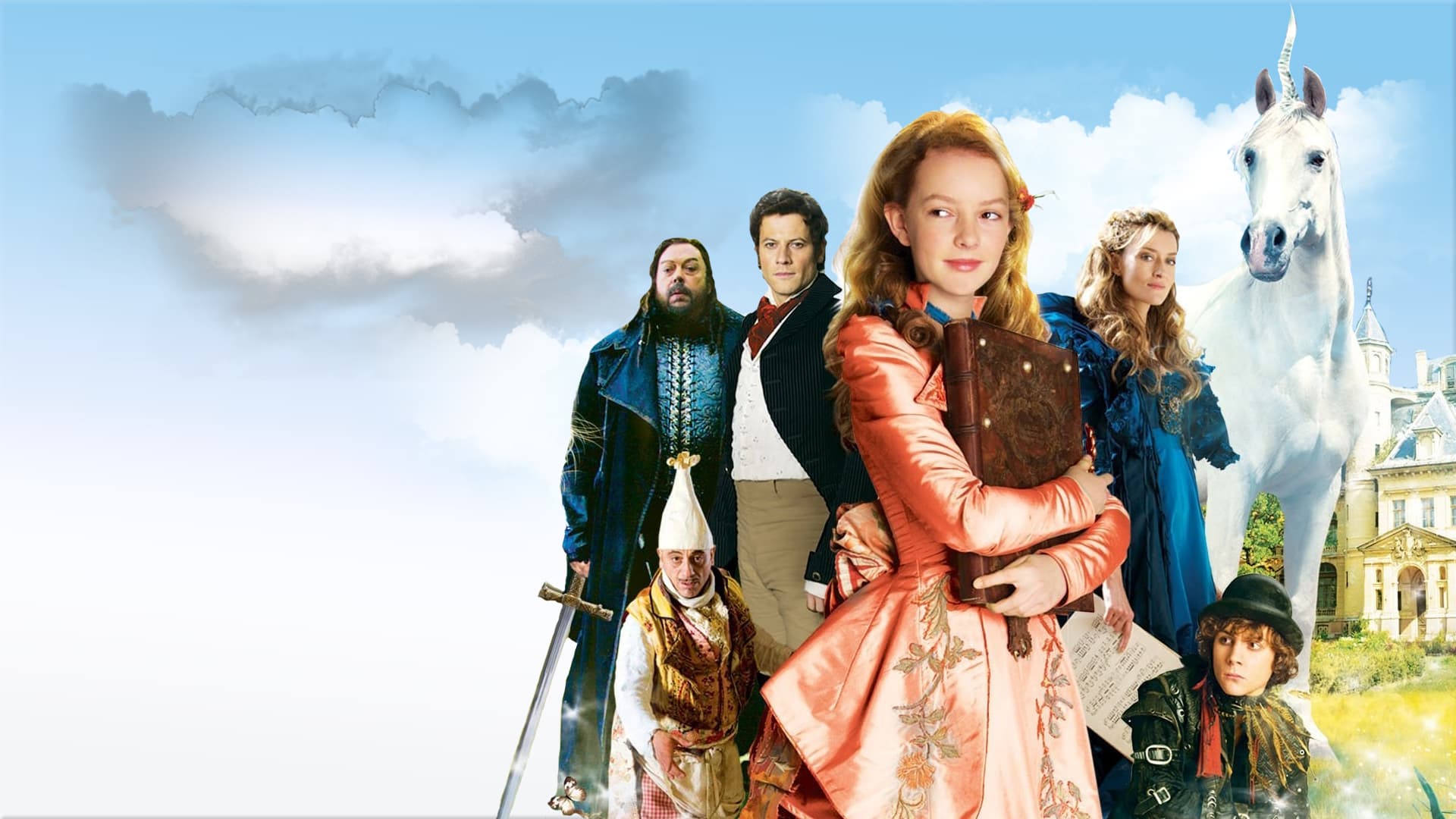
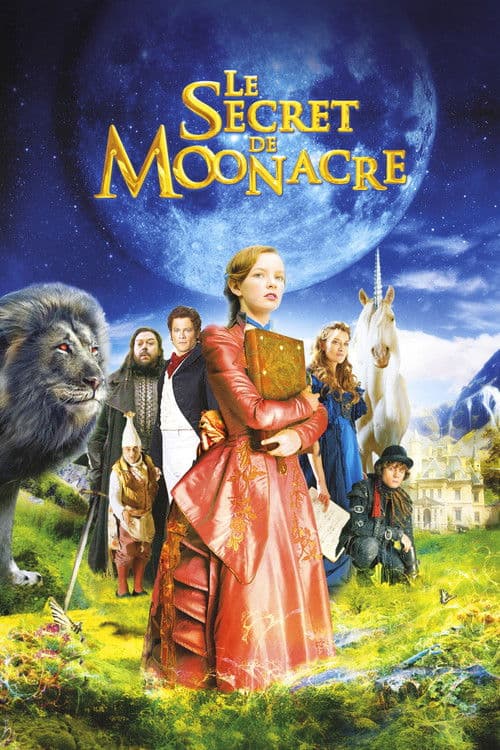
The Secret of Moonacre is a fantastical tale with a romantic and slightly dark atmosphere, carried by a gothic fairy aesthetic that blends magic, mysterious forests and castles laden with secrets. The plot follows Maria, a young orphan who discovers upon arriving at her uncle's estate that she is bound to an ancient curse that only she can break. The film is aimed primarily at children from 8-9 years old and pre-adolescents, with a tone reminiscent of classic illustrated fairy tales.
Underlying Values
The antagonistic family is systematically associated with dark clothing, masks and a threatening aesthetic, whilst benevolent characters display light and luminous tones. This Manichean visual coding is a common narrative device in fairy tales, but it repeatedly associates darkness with threat and light with virtue. This is a concrete angle to address with a child: a character's appearance does not reveal everything about their nature, and the film itself ultimately demonstrates this when the antagonists prove capable of change.
Discrimination
The antagonistic family is systematically associated with dark clothing, masks and a threatening aesthetic, whilst benevolent characters display light and luminous tones. This Manichean visual coding is a common narrative device in fairy tales, but it repeatedly associates darkness with threat and light with virtue. This is a concrete angle to address with a child: a character's appearance does not reveal everything about their nature, and the film itself ultimately demonstrates this when the antagonists prove capable of change.
Parental and Family Portrayals
Maria is an orphan and arrives at an estate run by a distant and mysterious uncle. The parental figure is thus absent or failing at the outset, which is a classic device of the initiatory tale. The uncle evolves throughout the narrative towards a more protective role, offering a representation of the extended family as a possible emotional substitute. This pattern may resonate differently depending on the young viewer's family situation.
Substances
The governess Miss Heliotrope consumes cocktails excessively and falls asleep in her armchair on several occasions. The scene is treated in a comedic register, which makes it a signal worth monitoring: the alcoholism of an adult character supposed to protect the child is presented as an amusing eccentricity rather than as a problem. It is a minor detail in the film's overall structure, but sufficiently visible to merit a brief remark to a young child.
Violence
The film contains a few chase scenes and moments of dramatic darkness that may surprise or frighten younger children, particularly those sensitive to nocturnal atmospheres and the effects of doors and walls moving in unexplained ways. Violence remains nonetheless very restrained, without actual physical brutality or bloody consequences. The emotional intensity is more linked to atmospheric tension than to explicit violence.
Strengths
The film offers careful artistic direction that convincingly recreates the world of a Victorian illustrated tale, with inventive sets and cinematography that skilfully plays on contrasts between light and darkness. The heroine is active and courageous, which gives her genuine narrative presence rather than a passive role. The narrative addresses with some subtlety the question of inherited grievances between families and the possibility of breaking cycles of conflict, which gives it a depth slightly superior to that of the standard illustrated tale. Resolution through reconciliation rather than punishment is a rare and memorable narrative choice.
Age recommendation and discussion points
The film is suitable from 7-8 years old for children comfortable with slightly dark atmospheres, and can be watched without major reservations from 9 years old. Two discussion angles are worth pursuing after viewing: ask the child why they thought the De Noir family was wicked at the beginning, and what made them change their mind, to work on prejudices linked to appearance; and return to the governess who drinks, to explain simply that alcohol is not a comic eccentricity but something that can harm both adults and children who depend on them.
Synopsis
When 13 year old Maria Merryweather's father dies, leaving her orphaned and homeless, she is forced to leave her luxurious London life to go and live with Sir Benjamin, an eccentric uncle she didn't know she had, at the mysterious Moonacre Manor.
Where to watch
Availability checked on Apr 29, 2026
About this title
- Format
- Feature film
- Year
- 2009
- Runtime
- 1h 43m
- Countries
- Australia, France, Hungary, United States of America
- Original language
- EN
- Directed by
- Gábor Csupó
- Main cast
- Dakota Blue Richards, Ioan Gruffudd, Tim Curry, Augustus Prew, Natascha McElhone, Juliet Stevenson, Tamás Tóth, György Szathmári, George Mendel, Michael Webber
- Studios
- Forgan-Smith Entertainment, Eurofilm Stúdió, South Pacific Pictures, Spice Factory, UK Film Council, Australian Film Commission, Davis Films, Velvet Octopus, Warner Bros. Pictures
Content barometer
- Violence1/5Mild
- Fear2/5A few scenes
- Sexuality1/5Allusions
- Language0/5None
- Narrative complexity3/5Complex
- Adult themes1/5Mild
Watch-outs
- Alcohol
- Gender stereotypes
Values conveyed
- Courage
- Acceptance of difference
- Forgiveness
- reconciliation
- loyalty
- teamwork