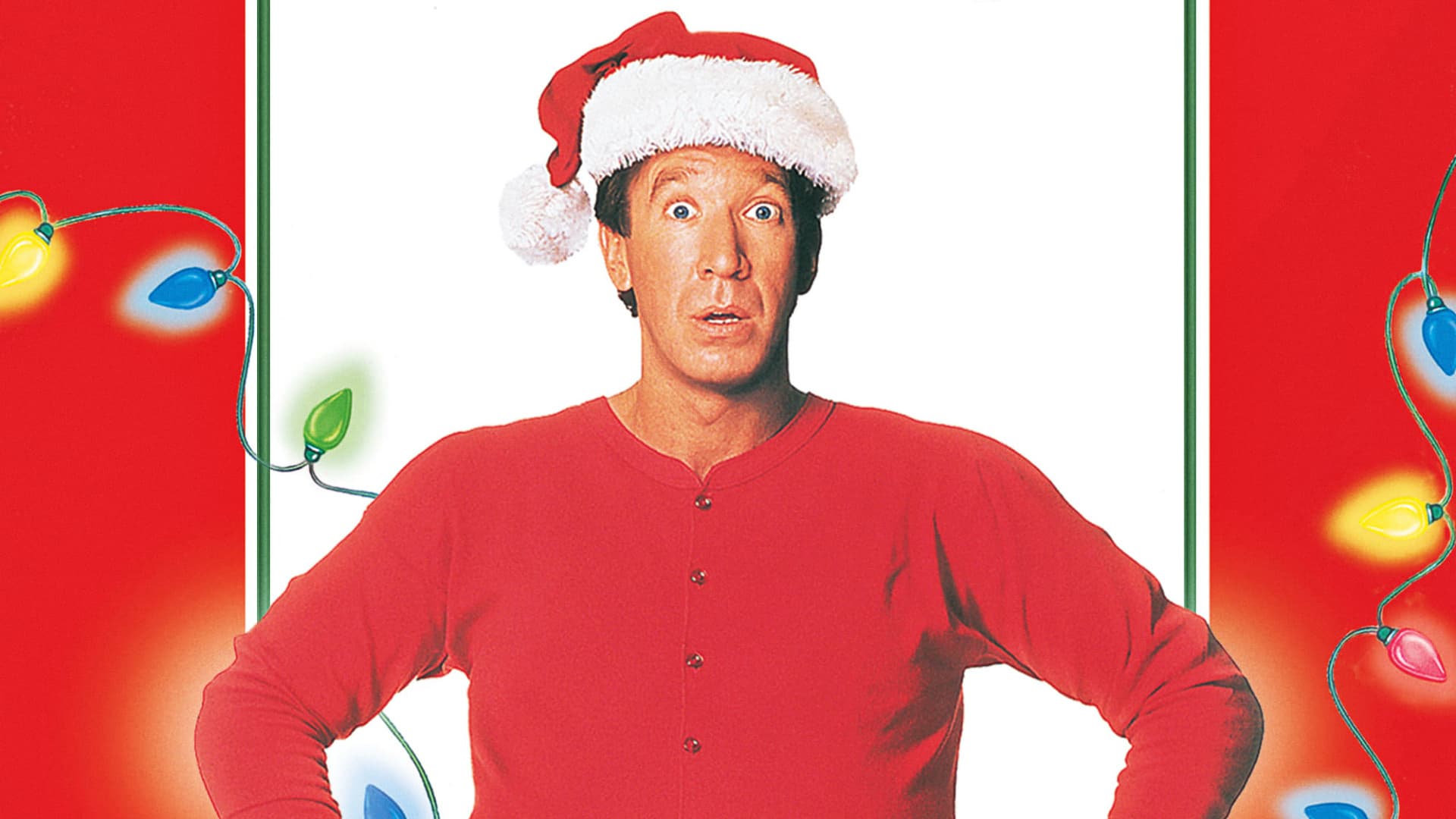

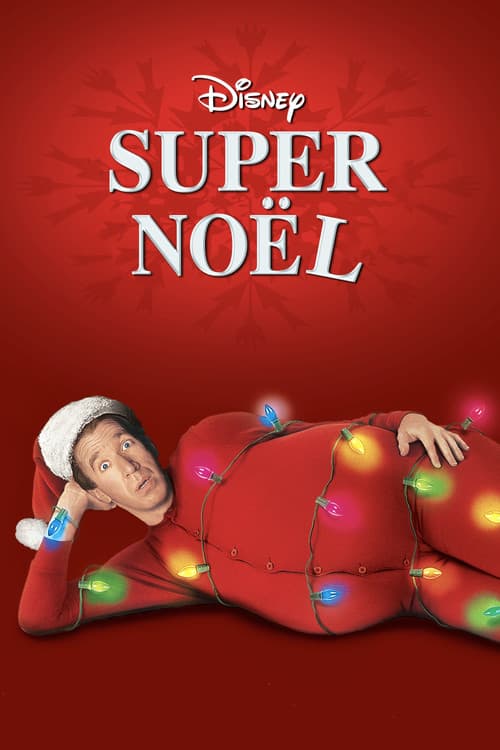
The Santa Clause
Does this age rating seem accurate to you?
Detailed parental analysis
The Santa Clause is a warm and lighthearted family comedy, carried by accessible humour and a festive atmosphere typical of the 1990s. The plot follows a divorced father who, after an improbable series of circumstances, finds himself forced to take on the role of Father Christmas, complete with all the physical and existential transformations that entails. The film is aimed primarily at school-age children and their parents, with a nostalgic dimension that also resonates with adults.
Parental and Family Portrayals
The father-son relationship is the true emotional engine of the film, and it is its principal strength. The main character begins as an absent and uninvested father and evolves towards genuine emotional presence, which gives the narrative solid moral coherence. By contrast, the mother is portrayed in a notably less flattering light: she struggles to form her own opinions, consistently defers to the men around her, even to the detriment of her son. This imbalance in how the two parents are treated deserves to be raised with a child, particularly to question why the film chooses to construct the maternal character in this way.
Underlying Values
The narrative constructs a clear moral transformation: the main character moves from individualism and professional competition towards generosity, self-sacrifice and the prioritisation of family bonds. This message is sincere and well integrated into the storytelling. In parallel, the film conveys a fairly conventional vision of family happiness, centred on the redemptive paternal figure, without really questioning the structures that led to the family's breakdown in the first place.
Discrimination
The film contains two elements worth flagging. First, the main character's weight gain is treated as material for mockery, with direct remarks about his physical appearance and injunctions to lose weight, without the narrative taking critical distance from these comments. Second, the cast is very homogeneous in ethnic terms, including among the elves, with no secondary characters of colour being named or developed. These two points, taken together, reflect the usual blind spots of American family cinema from that era.
Violence
The film opens with the death of Father Christmas, who falls from a two-storey roof. The scene is treated elliptically, the body disappearing to leave only the costume, but it may nonetheless disturb children who still believe in Father Christmas. Later, an arrest scene with armed police officers may surprise younger viewers with its suddenly tense tone. These two moments are isolated in an otherwise violence-free film, but they merit being anticipated according to the child's sensitivity.
Sex and Nudity
The film contains a few double entendre lines intended for adults, including a vague allusion to drug use in the 1960s and a joke about being 'naughty or nice'. These elements largely go over the heads of young children. The original theatrical version contained an adult telephone number written into the set decoration, which was removed from all subsequent versions: families watching the film on video or streaming are therefore not exposed to this element.
Language
The language is generally clean and suitable for a family audience. A single occurrence of the word 'Hell' constitutes the only notable departure. Nothing that warrants particular warning.
Strengths
The film achieves what many family comedies fail to do: it grounds its fantasy in a credible emotional relationship between a father and his son. The arc of the main character's transformation is well paced and avoids easy sentimentality. The humour works on two levels, with visual gags for children and more subtle lines for parents, making it a genuinely watchable family film rather than a mere entertainment product for children. Over the years it has acquired the status of a holiday season classic, and this dimension of intergenerational transmission has a value of its own.
Age recommendation and discussion points
The film is suitable from around age 6 onwards, with particular attention for children who still believe in Father Christmas, as the opening scene may trouble them. For older children, it is a viewing without major reservations. Two angles of discussion are worth pursuing after the film: why is the character mocked when he gains weight, and is that fair, and why does the film's mother always seem to wait for men to decide on her behalf.
Synopsis
On Christmas Eve, divorced dad Scott Calvin and his son discover Santa Claus has fallen off their roof. When Scott takes the reins of the magical sleigh, he finds he is now the new Santa, and must convince a world of disbelievers, including himself.
Where to watch
Availability checked on Apr 28, 2026
About this title
- Format
- Feature film
- Year
- 1994
- Runtime
- 1h 37m
- Countries
- United States of America
- Original language
- EN
- Directed by
- John Pasquin
- Main cast
- Tim Allen, Judge Reinhold, Wendy Crewson, Eric Lloyd, David Krumholtz, Larry Brandenburg, Mary Gross, Paige Tamada, Peter Boyle, Judith Scott
- Studios
- Walt Disney Pictures, Hollywood Pictures, Outlaw Productions
Content barometer
- Violence1/5Mild
- Fear2/5A few scenes
- Sexuality1/5Allusions
- Language1/5Mild
- Narrative complexity3/5Complex
- Adult themes1/5Mild
Watch-outs
- Death
- Gender stereotypes
Values conveyed
- Compassion
- Loyalty
- Forgiveness
- family
- imagination
- responsibility
- kindness