
The Red Turtle
La tortue rouge
Does this age rating seem accurate to you?
Detailed parental analysis
The Red Turtle is a contemplative, poetic and melancholic animated film, without dialogue, that follows a castaway washed ashore on a deserted island and the mysterious bonds he forms with nature and a woman who emerges from the sea. The plot unfolds as an entire life told through images, from solitary survival to the founding of a family, until the acceptance of death. The film is primarily aimed at adults and mature teenagers, even though its visual form may appeal to younger children who risk finding little to engage with.
Underlying Values
The film is entirely structured around acceptance: acceptance of the island as the only possible world, acceptance of the cycle of life and death, acceptance of children's departure towards their own existence. This is not passive resignation but a progressive wisdom that the main character painfully conquers. The initial violence of the protagonist towards the turtle, followed by his attempt to repair the harm caused, forms the moral pivot of the narrative: the film shows that instinctive brutality can give way to responsibility and care. The survivor's individualism is gradually dissolved by love and parenthood, without the film ever stating this explicitly.
Violence
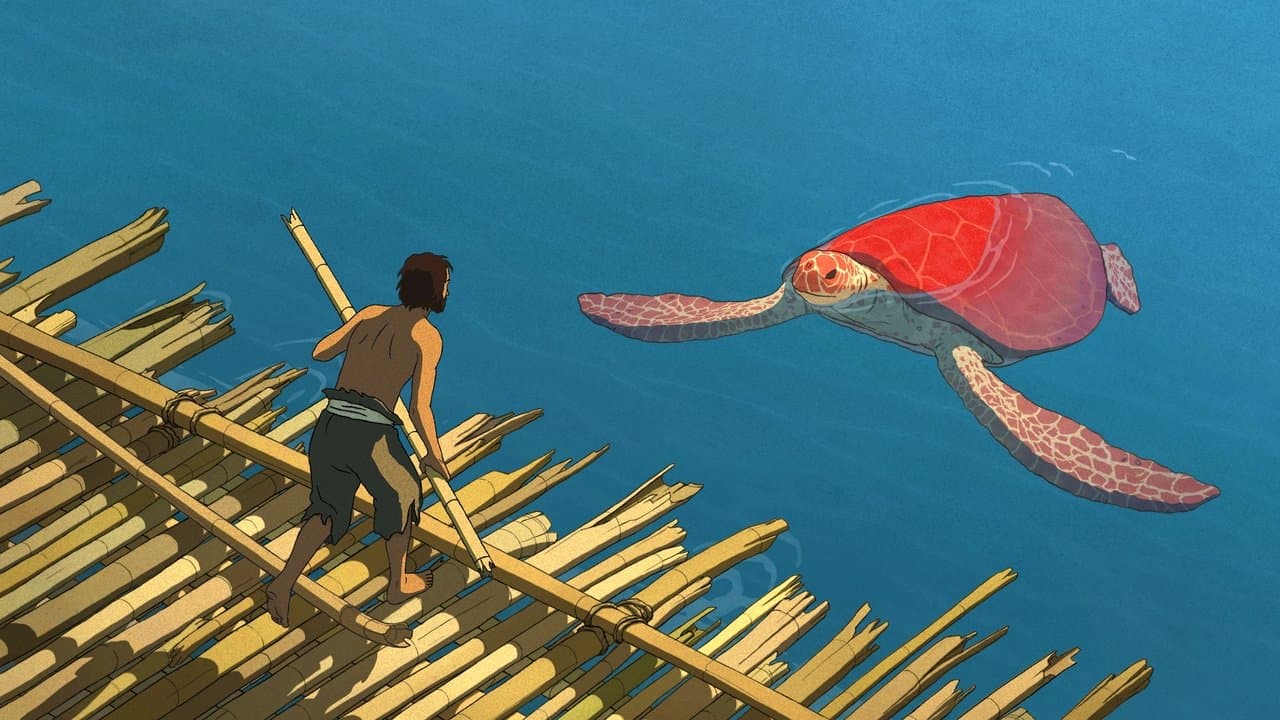
Violence is present on several occasions but never gratuitous. The man strikes and overturns a turtle with a bamboo pole, an act that leads to its death and constitutes the morally heaviest moment in the film. A tsunami sequence is intense and distressing: the family is separated, the man appears to drown and loses consciousness. These moments are treated with visual restraint, without indulgence, but their emotional impact is real. A dead seal is opened to extract food from it, a brief but concrete scene. For a young child, these sequences can be disturbing not because of gore but because of their cold realism and their lack of humorous or heroic distance.
Parental and Family Portrayals
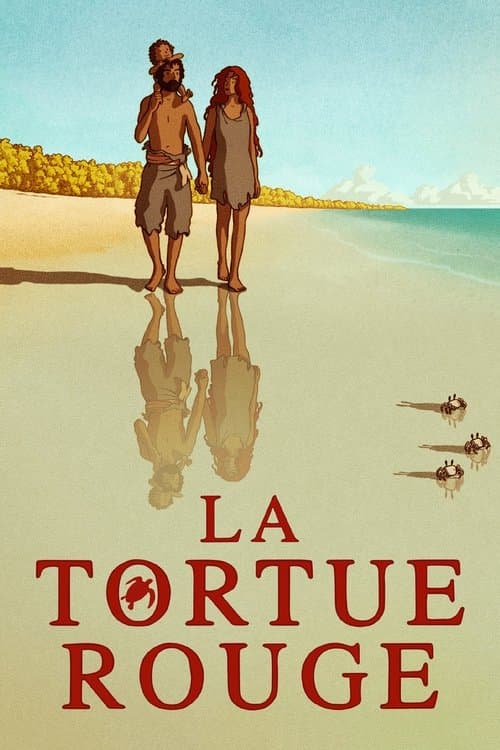
Family is at the heart of the film and represented in a deeply positive way. The father and mother raise their son together, in a relationship of tenderness and silent complicity. The film shows with accuracy the pain of a child's departure once grown into adulthood, and the way parents learn to let go without bitterness. The parental figure is neither authoritarian nor failing: it is human, loving and ultimately capable of accepting that the child belongs to their own life.
Social Themes
The film carries a vision of humanity's relationship with nature that goes beyond mere backdrop. The island is a living ecosystem, animals have real narrative presence, and the death of a turtle or a baby swept away by a crab fits within a logic of natural cycles that the film does not seek to soften. Without being a film with an ecological message, it establishes a perspective of respect and interdependence between humans and the living world that can nourish substantive conversation.
Sex and Nudity
Nudity is present recurrently but never sexualised. The woman appears naked on several occasions, covered by her hair or the water. The infant and young boy are shown naked on the beach. These representations fit within a naturalistic logic consistent with the film's universe, without any erotic intention. They may nonetheless warrant brief explanation for younger children.
Strengths
The Red Turtle is a work of rare formal coherence: the complete absence of dialogue is not a gimmick but the foundation of a cinematic language that forces the viewer to read emotions in bodies, gestures and landscapes. The film manages to tell an entire life, with its joys, losses and renunciations, in less than eighty minutes, without ever resorting to explanation. Its ability to render magical realism credible and moving, without justifying or demystifying it, is a narrative tour de force. For a teenager or adult, it is an experience that invites reflection on what one chooses to accept in one's own existence, and what it means to belong to a place, to a person, to a cycle larger than oneself.
Age recommendation and discussion points
The film is best reserved for children aged 10 and above who are sensitive and curious, with parental guidance, and can be fully experienced from age 12 without major reservations. Two angles of discussion are worth opening after viewing: why does the man ultimately choose to stay on the island, and what does this say about what one gives up to build something with someone? And also: how does the film speak of death without ever making it terrifying?
Synopsis
The dialogue-less film follows the major life stages of a castaway on a deserted tropical island populated by turtles, crabs and birds.
About this title
- Format
- Feature film
- Year
- 2016
- Runtime
- 1h 21m
- Countries
- Belgium, France, Japan
- Original language
- FR
- Directed by
- Michael Dudok de Wit
- Main cast
- Tom Hudson, Baptiste Goy, Axel Devillers, Barbara Beretta
- Studios
- Wild Bunch, Studio Ghibli, Why Not Productions, CN4 Productions, Belvision, ARTE France Cinéma, Prima Linéa Productions
Content barometer
- Violence2/5Moderate
- Fear3/5Notable tension
- Sexuality1/5Allusions
- Language0/5None
- Narrative complexity2/5Moderate
- Adult themes0/5None
Values conveyed
- Acceptance of difference
- Compassion
- Forgiveness
- resilience
- family
- empathy
- nature