
The Princess Diaries
Does this age rating seem accurate to you?
Detailed parental analysis
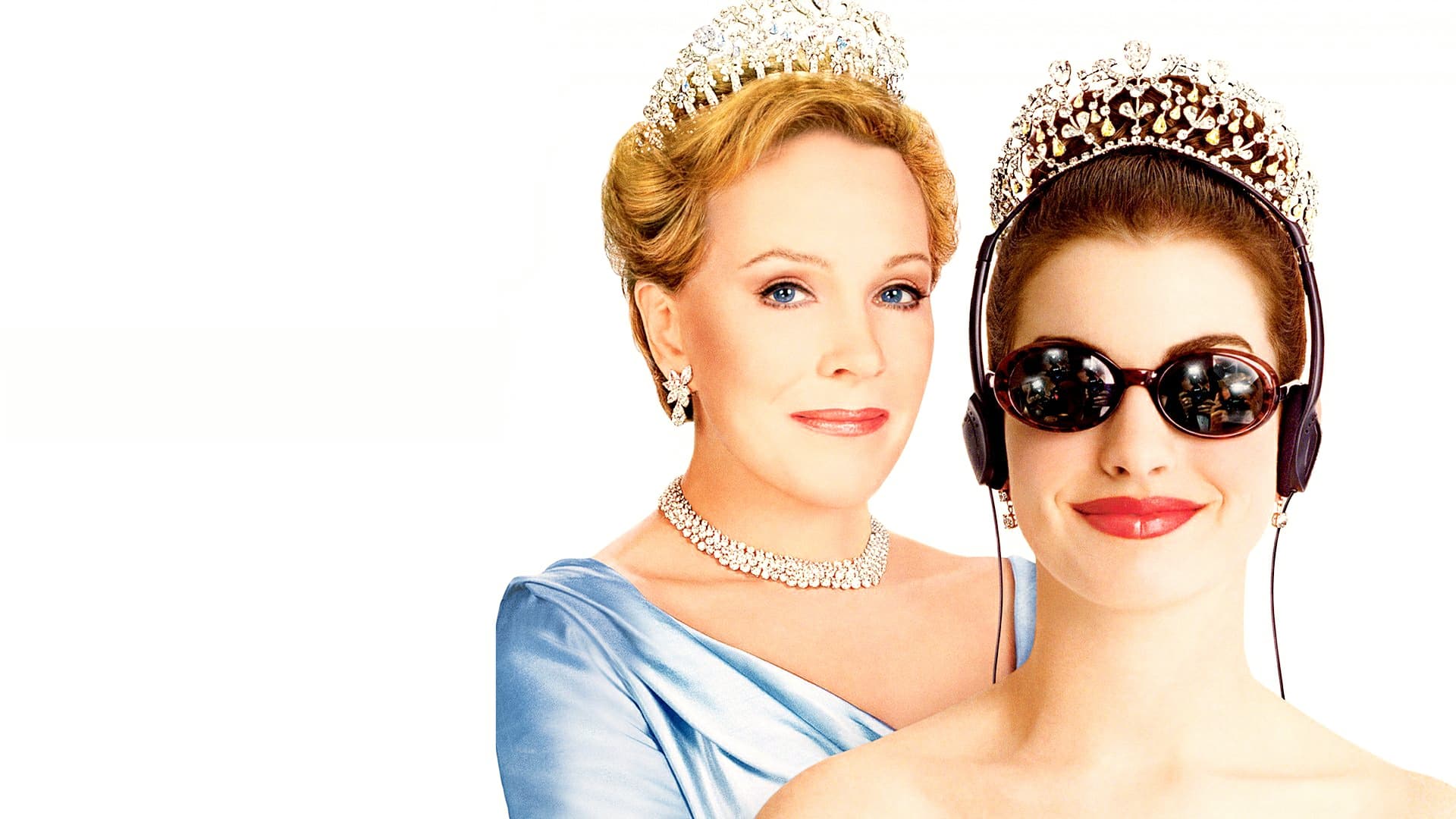
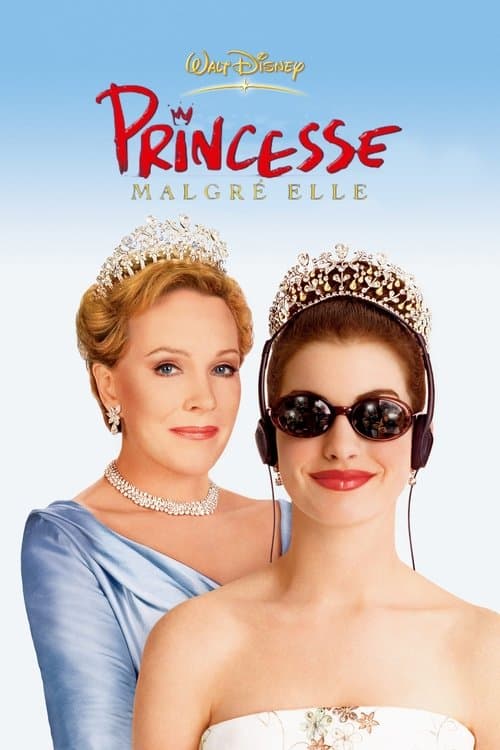
The Princess Diaries is a light and cheerful family comedy, carried by a warm tone and resolutely optimistic energy. The plot follows Mia, an awkward and self-effacing teenager who discovers she is the heir to a European throne and must decide whether to accept this destiny. The film targets a young adolescent audience, primarily between 10 and 14 years old, and sits within the tradition of American transformation comedies.
Discrimination
This is the film's most debatable point and the one that warrants the most candid conversation with a child. The narrative rests on an unquestioned aesthetic premise: curly hair, thick eyebrows and glasses make Mia invisible and unworthy of respect, whilst physical transformation, straightened hair, hair removal, contact lenses, render her worthy of being a princess. The film never presents this shift as problematic: the metamorphosis is celebrated, applauded, and associated with the character's growing legitimacy. The harassment Mia suffers from her peers about her appearance is shown as a painful reality, but the narrative response offers an aesthetic solution rather than a challenge to others' perceptions. For a pre-adolescent in the midst of constructing her body image, this message deserves to be explicitly discussed.
Underlying Values
The film carries two structural messages that coexist without always reconciling. On one hand, it affirms that one must remain oneself and that a person's worth does not depend on social status or popularity. On the other, it validates physical transformation as a condition for gaining recognition and power. The theme of responsibility towards others is treated with a certain sincerity: Mia learns that power entails duty, and this narrative thread is one of the film's strongest. Genuine friendship is also convincingly valued, through a best friend character who remains loyal regardless of Mia's status.
Parental and Family Portrayals
The maternal figure is present, loving and complicit, which is relatively rare in the genre and deserves positive note. The father is absent through death, and this loss is evoked with a certain delicacy without being exploited for dramatic effect. The grandmother, a central figure of authority, is presented as demanding and sometimes cold, but the film takes care to show the evolution of this relationship towards something warmer. Overall, it draws a portrait of a blended and unconventional family that works well narratively.
Sex and Nudity
The film contains several kisses between adolescents, including a repeated exchange and a kiss stolen by a boy in front of photographers without Mia's consent. This latter point is treated as an embarrassing incident rather than a violation, and the film does not explicitly name the problem. This is a useful angle to address with a child: that a kiss without prior agreement is not trivial, even in a comedic context.
Substances
An adult diplomat behaves manifestly intoxicated at an official dinner. The scene is played for situational comedy and is not presented as behaviour to imitate. The presence is light and without real narrative weight, but visible.
Strengths
The film succeeds in making an awkward and sincere main character endearing, and Mia's progression towards a form of personal confidence is written with enough nuance to avoid being mechanical. The relationship between Mia and her grandmother offers the narrative's most interesting exchanges, with a tension between tradition and modernity that transcends simple generational conflict. The overall tone is benevolent and never cruel, making it comfortable entertainment for pre-adolescent girls. The comedy works without resorting to gratuitous mockery, and several scenes of awkwardness are treated with sympathetic self-deprecation.
Age recommendation and discussion points
The film is suitable from age 10 onwards as family entertainment without major content reservations, but conversation about the beauty standards it conveys is essential from this first viewing. Two concrete angles to explore with the child: why the film associates physical transformation with legitimacy, and whether Mia could have become a princess without changing her appearance; and what one thinks of the non-consensual kiss presented as mere comedic embarrassment.
Synopsis
A socially awkward but very bright 15-year-old girl being raised by a single mom discovers that she is the princess of a small European country because of the recent death of her long-absent father, who, unknown to her, was the crown prince of Genovia. She must make a choice between continuing the life of a San Francisco teen or stepping up to the throne.
Where to watch
Availability checked on Apr 28, 2026
About this title
- Format
- Feature film
- Year
- 2001
- Runtime
- 2h
- Countries
- United States of America
- Original language
- EN
- Directed by
- Garry Marshall
- Main cast
- Anne Hathaway, Julie Andrews, Heather Matarazzo, Caroline Goodall, Héctor Elizondo, Robert Schwartzman, Erik von Detten, Patrick John Flueger, Sandra Oh, Mandy Moore
- Studios
- Bottom of the Ninth Productions, Walt Disney Pictures, BrownHouse Productions
Content barometer
- Violence1/5Mild
- Fear0/5None
- Sexuality1/5Allusions
- Language0/5None
- Narrative complexity2/5Moderate
- Adult themes1/5Mild
Watch-outs
- Bullying
- Gender stereotypes
- Mockery
Values conveyed
- Friendship
- Autonomy
- self confidence
- family
- kindness