
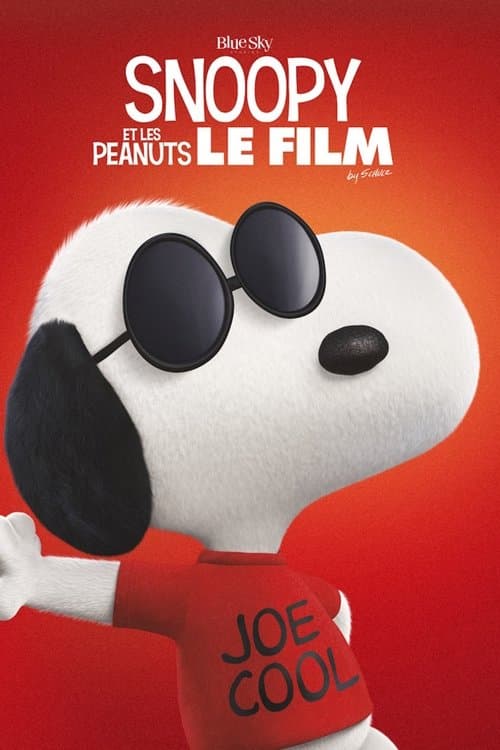
The Peanuts Movie
Does this age rating seem accurate to you?
Detailed parental analysis
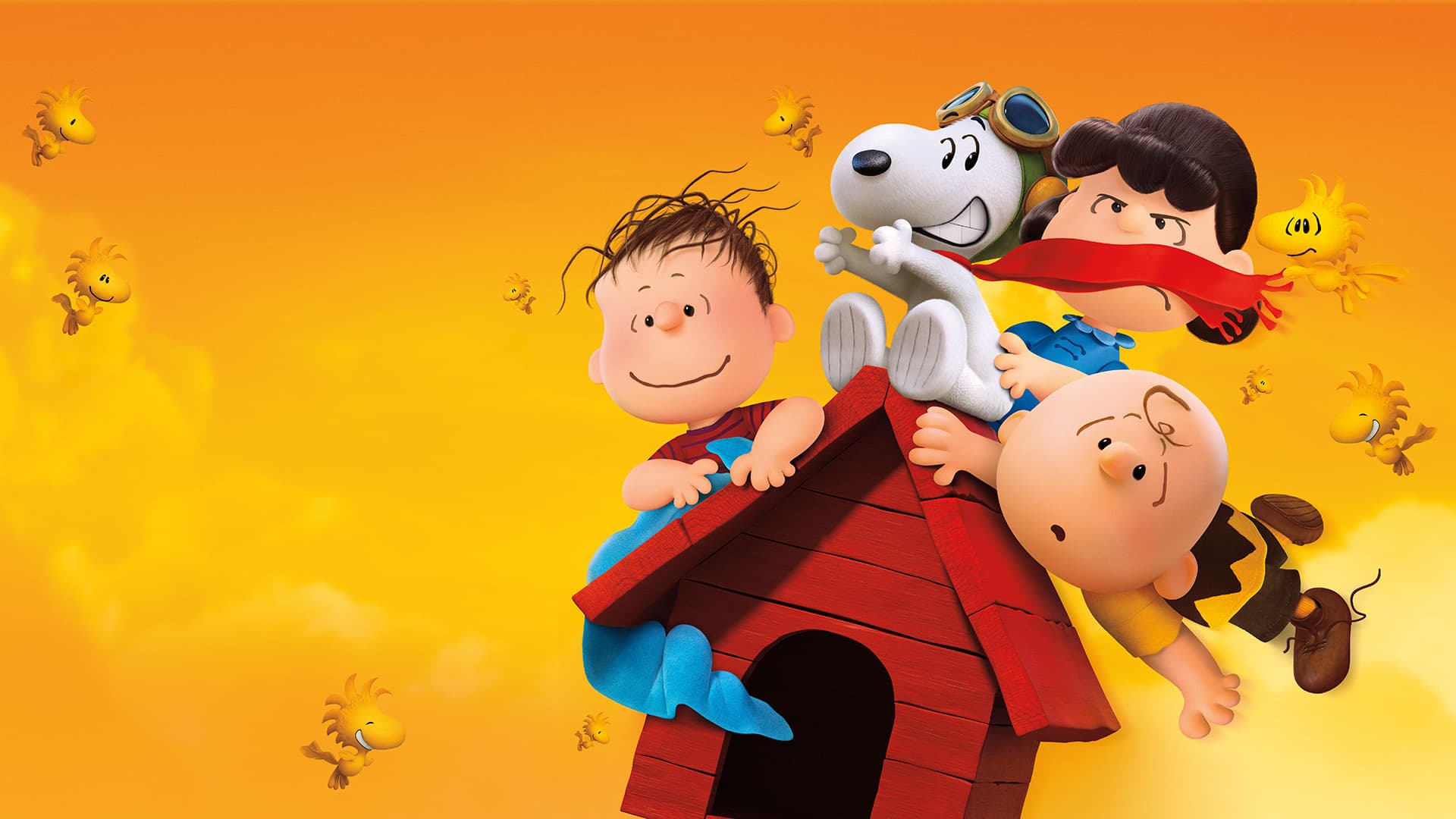
Snoopy and the Peanuts is a bright and warm animated comedy, faithful to the spirit of Charles Schulz's comic strips. The plot follows Charlie Brown as he attempts to overcome his complexes as an eternal bungler in order to impress a new neighbour with whom he is infatuated. The film primarily targets children aged 5 to 10, with a well-judged touch of nostalgia that allows parents to enjoy it equally.
Underlying Values
The film builds its argument around a tension between two logics: the desire to transform oneself in order to be loved, and the discovery that one is worthy of esteem as one is. Charlie Brown makes repeated attempts to become someone else, fails each time, and it is precisely his clumsy authenticity that ends up being recognised. This central message is well articulated and does not lapse into simplistic moral instruction: failure is structurally rehabilitated here, making it a solid starting point for a conversation about self-esteem. Perseverance is also valued in a concrete way, without ever flirting with a culture of performance: what matters is continuing, not succeeding at all costs.
Violence
Violence is exclusively slapstick in register, in keeping with Peanuts tradition. Lucy hits objects with a hockey stick, shakes a classmate twice, and a typewriter thrown by Snoopy lands with a 'BONK' on a character's head, without visible consequence. These sequences are codified, played down and clearly comic in their treatment: no blood, no pain shown, no legitimisation of violence as a solution. Snoopy's aerial combat sequences against the Red Baron fit within a register of imaginary fantasy, visually vibrant but without brutality. For children under 5, some scenes of physical commotion may come as a surprise; beyond age 5, they pass without difficulty.
Language
The film occasionally resorts to a few terms drawn from the Peanuts vocabulary, such as 'blockhead' or 'stupid', used mainly by Lucy towards Charlie Brown. These words are few in number and clearly negative in their narrative context, which makes them readable for a child: this is not a valorisation but a character trait presented as a flaw in the character who uses them. This may nonetheless warrant a quick word to alert a young child that these formulations are insults, albeit mild ones.
Strengths
The film succeeds in transposing Schulz's graphic universe into synthetic images whilst respecting the proportions, rhythm and gentle melancholy that give it its charm. The narration is clean and well-paced for its target audience, with a subplot involving Snoopy and the Red Baron that introduces a layer of imagination and offbeat humour for those who might find the main thread too smooth. The emotional intelligence of the story is genuine: Charlie Brown is neither ridiculed nor saved by a stroke of luck, and his journey says something true about the difficulty of accepting one's own limitations. For parents familiar with the original comic strip, the film offers a sincere bridge for cultural transmission.
Age recommendation and discussion points
The film is suitable from age 5, with full understanding of the emotional stakes from around age 7. After viewing, two angles of discussion are worth exploring with the child: why does Charlie Brown constantly try to become someone else, and what does it mean to be appreciated for what you truly are rather than for what you do.
Synopsis
Snoopy embarks upon his greatest mission as he and his team take to the skies to pursue their arch-nemesis, while his best pal Charlie Brown begins his own epic quest.
About this title
- Format
- Feature film
- Year
- 2015
- Runtime
- 1h 29m
- Countries
- United States of America
- Original language
- EN
- Directed by
- Steve Martino
- Main cast
- Noah Schnapp, Bill Melendez, Marleik 'Mar Mar' Walker, Alex Garfin, Hadley Belle Miller, Rebecca Bloom, Anastasia Bredikhina, Venus Schultheis, A.J. Tecce, Mariel Sheets
- Studios
- Blue Sky Studios, 20th Century Fox Animation, 20th Century Fox, Feigco Entertainment
Content barometer
- Violence1/5Mild
- Fear0/5None
- Sexuality0/5None
- Language1/5Mild
- Narrative complexity1/5Accessible
- Adult themes0/5None