The Nightmare Before Christmas
Does this age rating seem accurate to you?
Detailed parental analysis
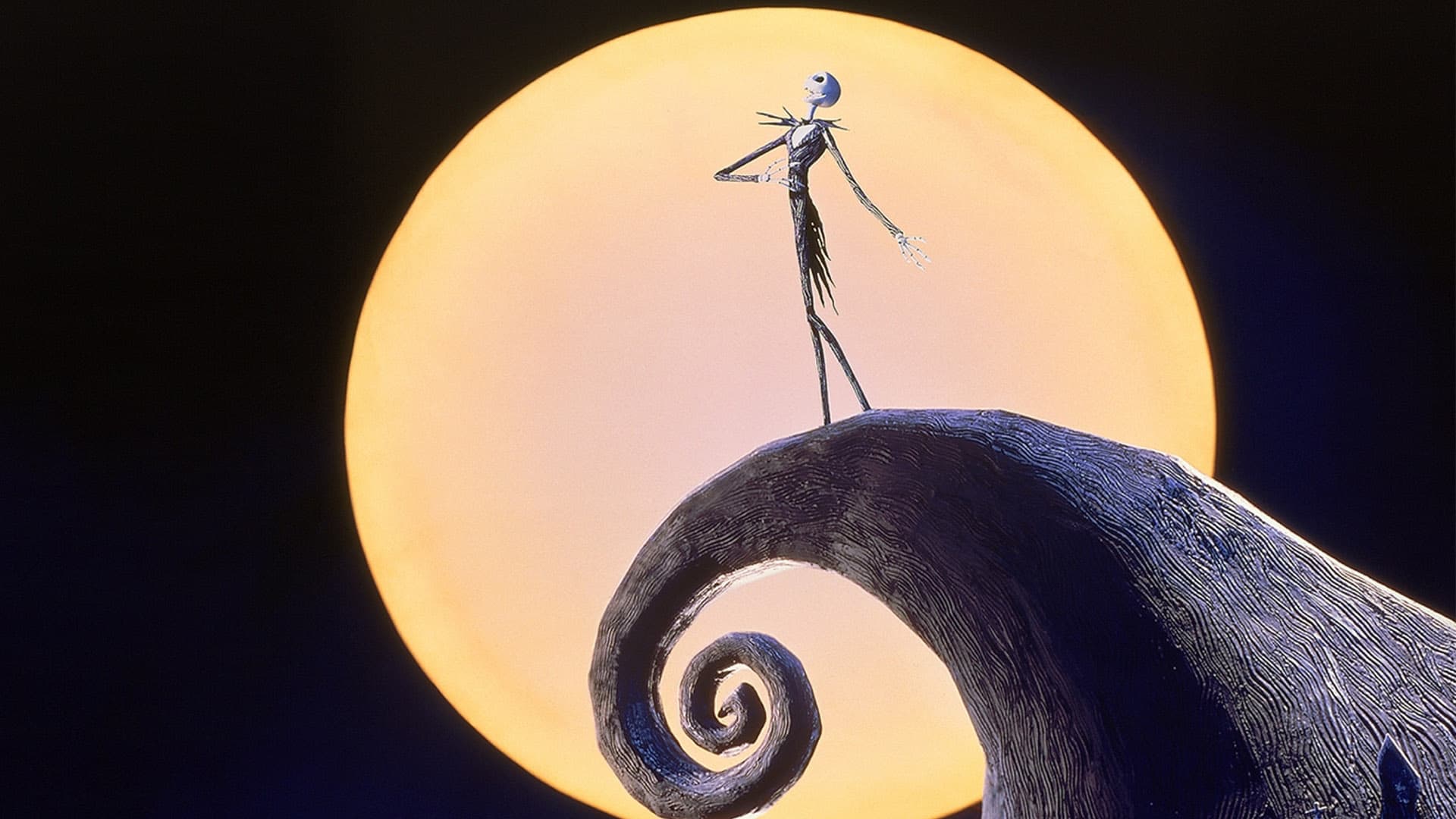
The Nightmare Before Christmas is a fantastical animated film with a dark and poetic atmosphere, visually expressionist in style, blending gothic worlds, musical theatre and an offbeat Christmas tale. A Halloween king, weary of his existence, decides to take over Christmas with disastrous results. The film is often perceived as aimed at children because of its festive packaging, but its genuinely dark tone, disturbing imagery and melancholic depth make it better suited to school-age children and teenagers than to very young children.
Violence
The film presents stylised and recurring violence, embedded within a macabre tale aesthetic rather than brutal realism. Sally dismembers and fragments after a fall, without visible pain or blood, but the image remains striking for a young child. Jack is targeted by missile and cannon fire, crashes to the ground, and resurfaces unharmed. The main antagonist, Oogie Boogie, is revealed to be a canvas sack filled with insects and worms, a nauseating image that can deeply disturb sensitive children. Menacing toys, a vampire doll and a duck with sharp teeth, terrorise children in a sequence with genuinely anxiety-inducing tone. The violence remains always stylised and without gore, but it is omnipresent and woven into the setting as a normality, which warrants attention.
Underlying Values
The moral heart of the narrative is the story of a character who, driven by good intentions, imposes his vision of the world on a culture he does not understand, with catastrophic consequences for others. The film thus treats with subtlety the themes of hubris, cultural difference and the limits of misdirected enthusiasm. The resolution values self-acceptance and a return to one's own identity rather than the conquest of others'. This is a structurally sound message, but it needs to be verbalised with younger children so it does not remain implicit. The character of Santa Claus is briefly depicted in humiliating situations, which some families will experience as an irreverent treatment of a symbolic figure.
Discrimination
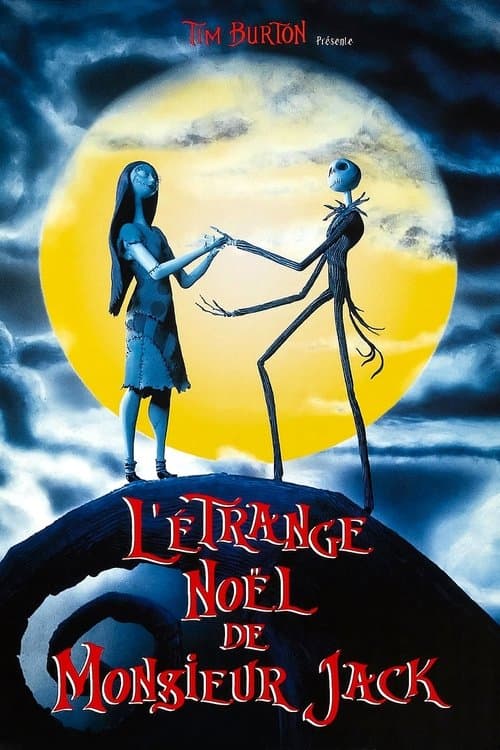
Sally is the primary female character, and her narrative construction is almost entirely defined by her romantic attachment to Jack. She anticipates his needs, sacrifices herself for him, is kept captive by a male authority figure, and her arc concludes with a romantic union without her having had her own objective. This is a pronounced passive pattern, all the more visible because the film offers few other female figures with agency. Her creator, Doctor Finkelstein, is a wheelchair-using man presented as manipulative and possessive, which mobilises a classic stereotype of the mad disabled scientist. These two elements merit explicit conversation with children and teenagers.
Parental and Family Portrayals
Doctor Finkelstein plays a substitute paternal figure to Sally, a relationship entirely founded on control and sequestration. He poisons Sally to keep her within his reach and shows no genuine empathy. This portrayal of toxic parental or custodial authority is never directly questioned by the narrative, even though the film implicitly legitimises Sally's escape as a gesture of emancipation. The absence of any benevolent parental figure in the film reinforces a world in which adults are either absent or dysfunctional.
Social Themes
The film touches allegorically on the question of cultural appropriation and the clash between communities with incompatible codes. The Christmas catastrophe results directly from an inability to understand a culture other than one's own before wanting to take control of it. This reading, accessible to teenagers, is less obvious for children who will see mainly the fantastical adventure. The relationship to religion remains indirect but present, through the aggressive secularisation of Christian celebrations and the absence of any spiritual dimension in either of the worlds represented.
Strengths
The film is a visually inventive and coherent work, whose expressionist aesthetic and artistic direction constitute a rare achievement in the landscape of animation. The songs, composed and written with genuine theatrical sense, carry the narrative with effectiveness and remain in memory long after viewing. The narrative dares a melancholic tone and genuine reflection on identity, existential frustration and the limits of ambition, themes that speak to teenagers with sincerity. For a somewhat older child or teenager, the film can open rich discussions about wanting to be someone else, about failure as learning, and about the distinction between a desire to share and a desire to control.
Age recommendation and discussion points
The film is not recommended for children under 7 years old due to its disturbing imagery, its persistently dark atmosphere and sequences likely to generate lasting fears. From 8 or 9 years old, viewing is possible for children comfortable with the fantastical world and macabre tone, ideally with accompaniment. For serene and fully worthwhile viewing, 10 to 12 years remains the recommended age. Two discussion angles are worth addressing after the film: why Jack is wrong even though he believes he is doing right, and how the narrative's treatment of Sally differs from that afforded to male characters.
Synopsis
Tired of scaring humans every October 31 with the same old bag of tricks, Jack Skellington, the spindly king of Halloween Town, kidnaps Santa Claus and plans to deliver shrunken heads and other ghoulish gifts to children on Christmas morning. But as Christmas approaches, Jack's rag-doll girlfriend, Sally, tries to foil his misguided plans.
About this title
- Format
- Feature film
- Year
- 1993
- Runtime
- 1h 15m
- Countries
- United States of America
- Original language
- EN
- Studios
- Touchstone Pictures, Skellington Productions
Content barometer
- Violence3/5Notable
- Fear4/5Intense
- Sexuality0/5None
- Language0/5None
- Narrative complexity1/5Accessible
- Adult themes0/5None
Watch-outs
- Death
- Gender stereotypes
Values conveyed
- Acceptance of difference
- Perseverance
- Autonomy
- creativity
- empathy
- redemption
- identity