The NeverEnding Story
Die unendliche Geschichte
Does this age rating seem accurate to you?
Detailed parental analysis
The NeverEnding Story is a fantasy film with an atmosphere that shifts between dreamlike and oppressive, tinged with a profound melancholy that sets it distinctly apart from light-hearted children's adventures. A lonely young boy discovers a mysterious book that draws him into an imaginary world threatened with annihilation, where another child is tasked with a desperate quest to save it. The film ostensibly targets children from eight or nine years old, but its genuine emotional intensity makes it more suited to children aged ten and above, accompanied by an adult for the younger end of this age range.
Violence
The film's violence is infrequent but carries high emotional intensity. The death of the horse Artax, who slowly sinks into the Swamps of Sadness before the helpless eyes of his young master, stands as one of the most traumatising scenes in family cinema of the 1980s: it is slow, inexorable, and filmed without evasion. The final confrontation with the wolf Gmork is physically violent and concludes with the character's death. These moments are not gratuitous: they serve a narrative about loss, grief and resistance to despair. But their impact on sensitive children is real and lasting, and deserves to be anticipated.
Underlying Values
The film carries a strong structural message about the value of imagination and reading as acts of resistance against nihilism. The Nothing, an abstract and invisible threat that destroys Fantasia, functions explicitly as a metaphor for despair, indifference and loss of meaning. The narrative affirms that believing, naming and imagining are acts that hold real power, which constitutes a philosophically rich message for a child. In parallel, Bastian learns to assert himself against bullying, not through force but through recovered self-confidence. These values are coherent and well integrated into the narration, without heavy-handed didacticism.
Parental and Family Portrayals
Bastian's father is present but emotionally absent: he is shown as a man overwhelmed by his own grief, unable to meet his son's emotional needs. This failing paternal figure, whilst not malevolent, is the starting point of the protagonist's loneliness and deserves to be named with the child. The mother is absent from the narrative, deceased before the story begins, and her unresolved grief weighs on the entire family dynamic. The film does not judge the father but shows with accuracy the consequences of an adult who does not know how to accompany a child through sorrow.
Discrimination
The Childlike Empress is the only significant female figure in the film, and her role is entirely passive: she waits, suffers and depends on the male hero to be saved. She does not act, does not decide, does not intervene in any action sequence. This pattern is representative of the narrative conventions of the era and can be discussed with children, particularly girls, as an example of what adventure stories have long done with female characters.
Sex and Nudity
Two sphinx statues guarding a sacred passage are depicted with bare breasts and prominent nipples. The scene is brief and non-sexualised in its narrative intent, but the nudity is explicit and may surprise in a film presented as family-friendly. No other sexual or suggestive content is present in the film.
Strengths
The film possesses a rare visual and emotional power for a production aimed at young audiences. Its ability to address grief, loneliness and loss of meaning with unvarnished sincerity makes it a work that leaves a lasting mark on children who experience it at the right age. The mirrored construction between Bastian's real world and Atreyu's fantastical world is elegant and gives the narrative a depth that children feel intuitively before they can articulate it. The film also conveys a relationship with reading as an active and transformative act, making it a natural entry point for discussing imagination and what stories do to those who read or watch them.
Age recommendation and discussion points
The film is not recommended for children under eight years old, and supervised viewing remains strongly recommended until age ten due to the emotional intensity of certain scenes. From age ten onwards, it can be watched more independently, but conversation after the film remains valuable. Two concrete angles to explore with the child: why does Artax's death hurt so much, and what does that tell us about what we feel for animals and beings who trust us? And also: what does the Nothing represent in real life, and how can imagination truly be a form of resistance?
Synopsis
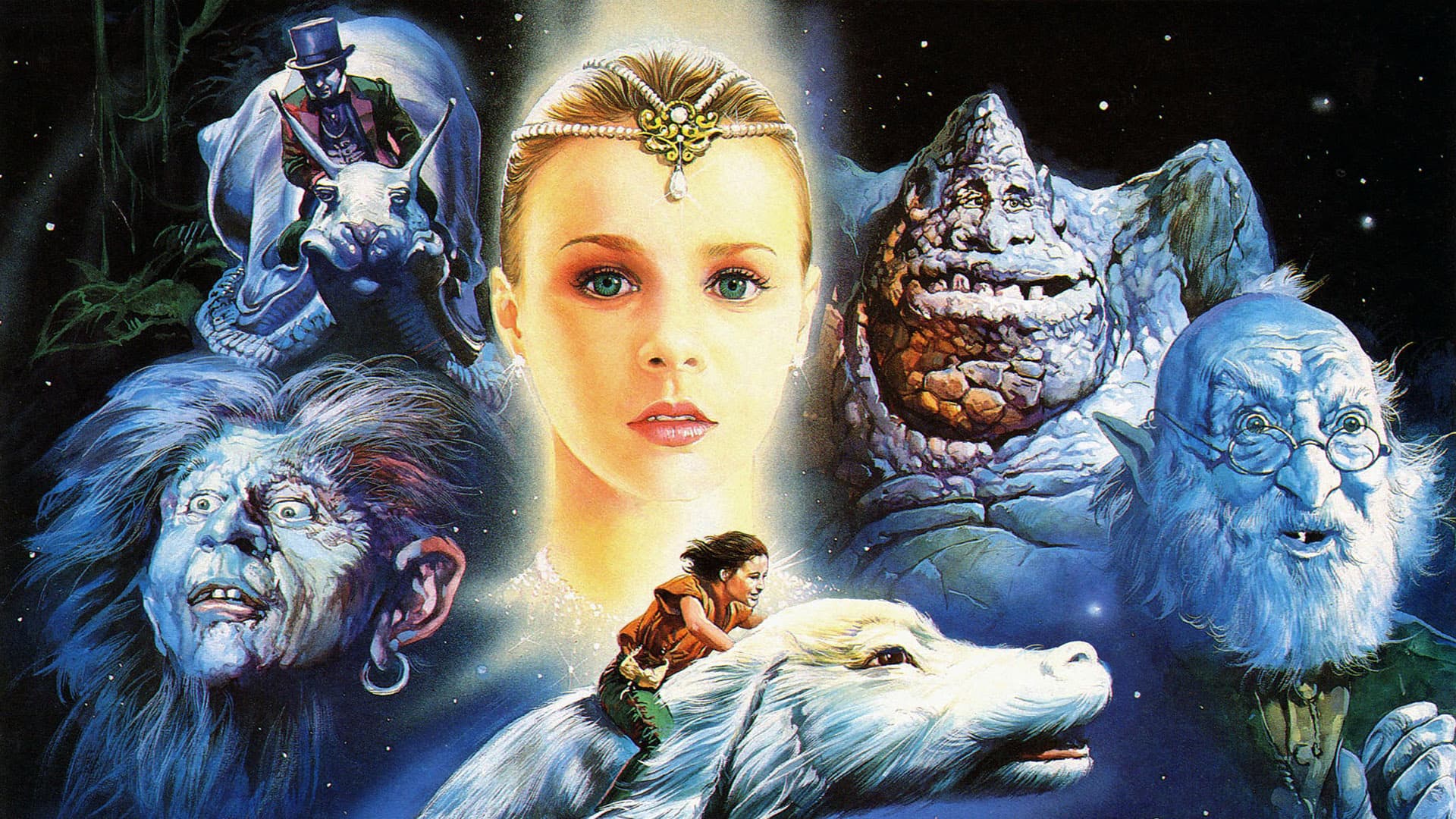
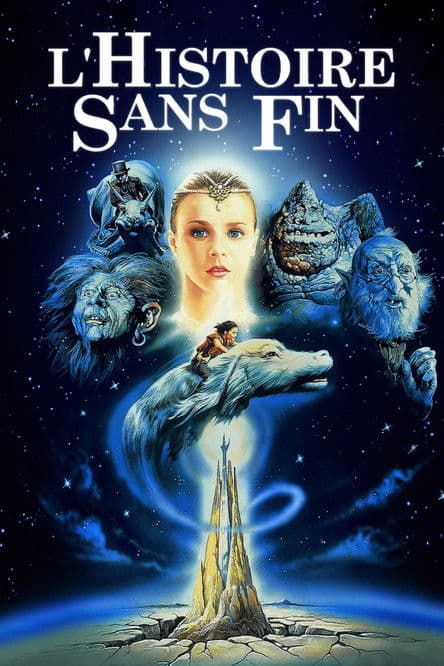
While hiding from bullies in his school's attic, a young boy discovers the extraordinary land of Fantasia, through a magical book called The Neverending Story. The book tells the tale of Atreyu, a young warrior who, with the help of a luck dragon named Falkor, must save Fantasia from the destruction of The Nothing.
Where to watch
Availability checked on Jun 21, 2026
About this title
- Format
- Feature film
- Year
- 1984
- Runtime
- 1h 35m
- Countries
- Germany
- Original language
- DE
- Directed by
- Wolfgang Petersen
- Main cast
- Noah Hathaway, Barret Oliver, Tami Stronach, Alan Oppenheimer, Sydney Bromley, Patricia Hayes, Moses Gunn, Frank Lenart, Robert Jadah, Gerald McRaney
- Studios
- Constantin Film, Bavaria Film
Content barometer
- Violence3/5Notable
- Fear4/5Intense
- Sexuality1/5Allusions
- Language0/5None
- Narrative complexity1/5Accessible
- Adult themes0/5None