The Munsters
Does this age rating seem accurate to you?
Detailed parental analysis
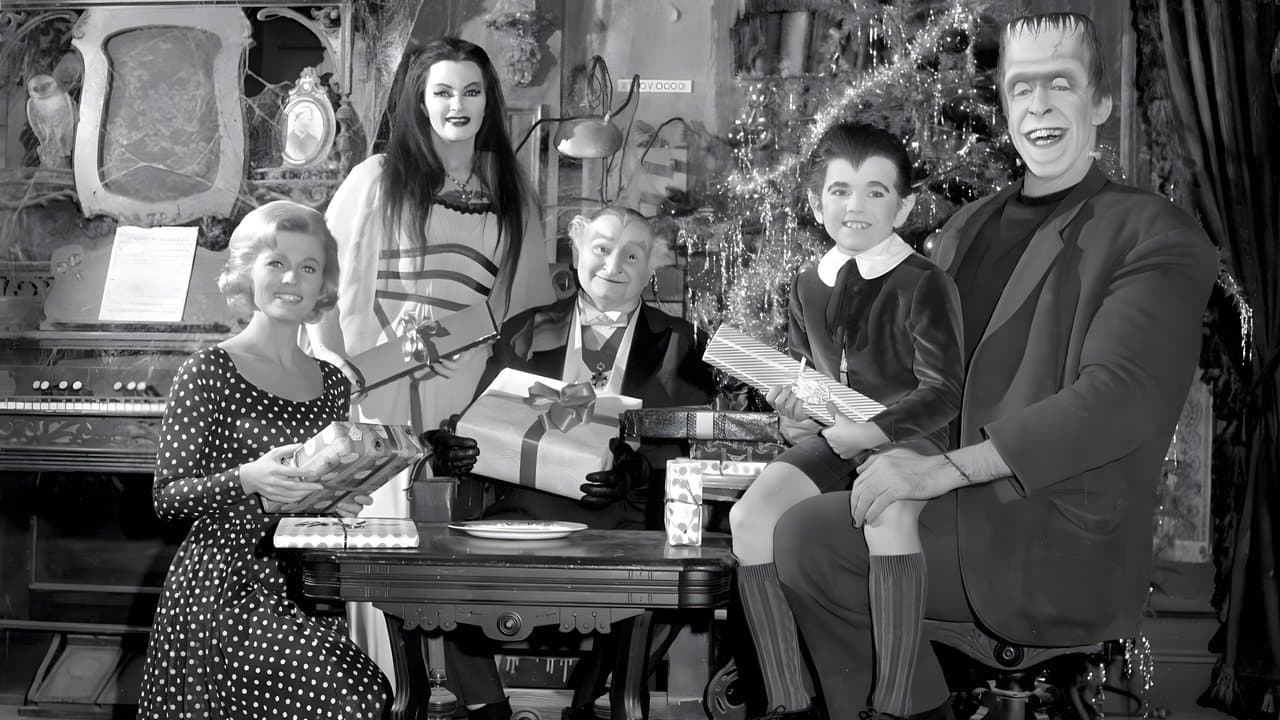
The Monsters is a light and whimsical family comedy, steeped in an atmosphere of deliberately kitsch and benevolent fake-gothic style. The series follows the everyday life of a family of classic monsters who lead a perfectly ordinary suburban existence, unaware that it is they whom the neighbours find frightening. The tone is resolutely cheerful and absurd, and the intended audience is children from six years old onwards, with humour that is naive enough to appeal to the youngest viewers and sufficiently offbeat to amuse adults.
Underlying Values
The central comic device rests on an inversion of norms: the monstrous family perceives itself as perfectly normal and considers ordinary humans as the truly strange ones. This mechanism, repeated in each episode, carries an implicit message about the relativity of social norms and the way we regard others. The family is loving, close-knit and functional, which reinforces the idea that appearance says nothing about a person's worth. However, the family structure reproduces without critical distance the gender roles of the 1960s: Herman is the breadwinner head of household, Lily keeps the home. This conformism is never questioned by the narrative, which makes it a useful point of discussion with a child or teenager.
Parental and Family Portrayals
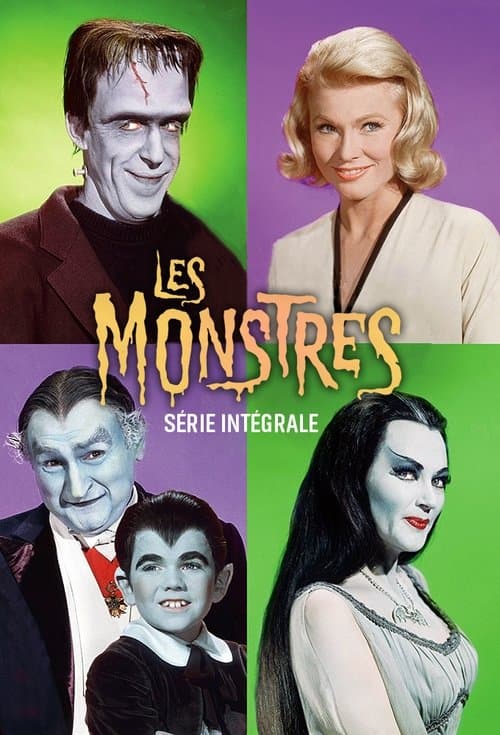
The parental figures are presented in a very positive light: Herman and Lily are affectionate, present and deeply devoted to their family. The monstrous household is a model of emotional stability, which constitutes one of the series' most clear pedagogical strengths. The dynamic between family members, including the eccentric grandfather and niece Marilyn, illustrates unconditional family loyalty. Marilyn, the only one with an ordinary human appearance, is treated as the family's ugly duckling, which humorously inverts the usual codes of difference.
Discrimination
Gender roles are fixed within 1960s conventions without the series ever questioning them. Lily embodies the devoted housewife, Herman the protective and clumsy father. This pattern is presented as natural and comic, never as a choice or a subject for debate. For a child today, this is a concrete opportunity to discuss the evolution of family roles and what society expected of men and women at that time.
Strengths
The series possesses a remarkable consistency of tone: the humour rests on wordplay, slapstick and the absurd, without ever seeking to frighten or shock. This formal innocence is rare and constitutes in itself a quality. The device of norm inversion, simple yet well-executed, offers a repeatable narrative structure that functions as a reassuring framework for young viewers. The series also has genuine cultural transmission value: it introduces children to classic figures of cinema monsters, Frankenstein, Dracula, the mummy, in a context that is entirely de-dramatised and can serve as a gateway to other works of the fantastic genre.
Age recommendation and discussion points
The series is suitable from six years old without major reservations. Two angles of discussion merit being opened after viewing: first, why does the monstrous family ultimately seem more normal to us than the human neighbours, and what this says about our own prejudices regarding appearance; secondly, how the roles of Lily and Herman reflect a specific era, and how families function differently today.
Synopsis
A family of friendly monsters that have misadventures all while never quite understanding why people react to them so strangely.
Where to watch
Availability checked on Apr 28, 2026
About this title
- Format
- TV series
- Year
- 1964
- Runtime
- 25m
- Countries
- United States of America
- Original language
- EN
- Directed by
- Chris Hayward, Bob Mosher, Allan Burns
- Main cast
- Fred Gwynne, Yvonne De Carlo, Butch Patrick, Al Lewis, Pat Priest
- Studios
- Universal Television, Kayro-Vue Productions, Universal Television Entertainment
Content barometer
- Violence0/5None
- Fear1/5Mild
- Sexuality0/5None
- Language0/5None
- Narrative complexity1/5Accessible
- Adult themes0/5None
Watch-outs
- Gender stereotypes
Values conveyed
- Acceptance of difference
- Compassion
- Loyalty
- family
- humor
- acceptance
- difference