
The Mitchells vs. the Machines
Does this age rating seem accurate to you?
Detailed parental analysis
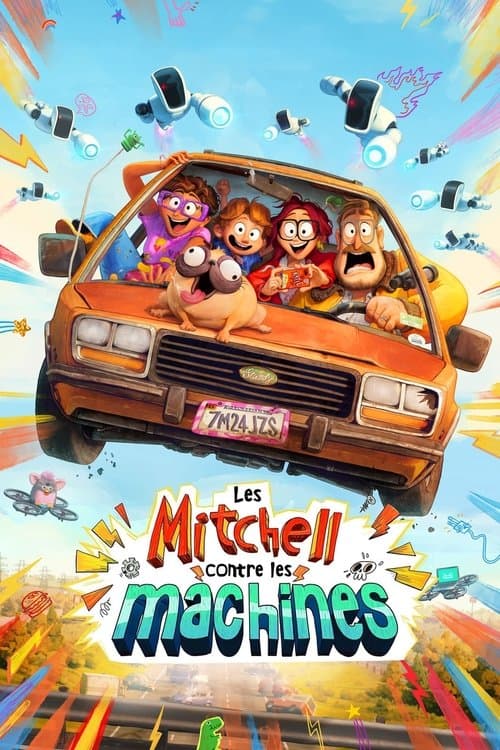
The Mitchells vs. the Machines is a fast-paced, joyful and visually inventive family animation comedy. A dysfunctional family finds itself to be humanity's last line of defence against a robot rebellion orchestrated by an artificial intelligence. The film targets a broad family audience, simultaneously addressing children from 8-9 years old and adults, with both levels of reading functioning independently.
Violence
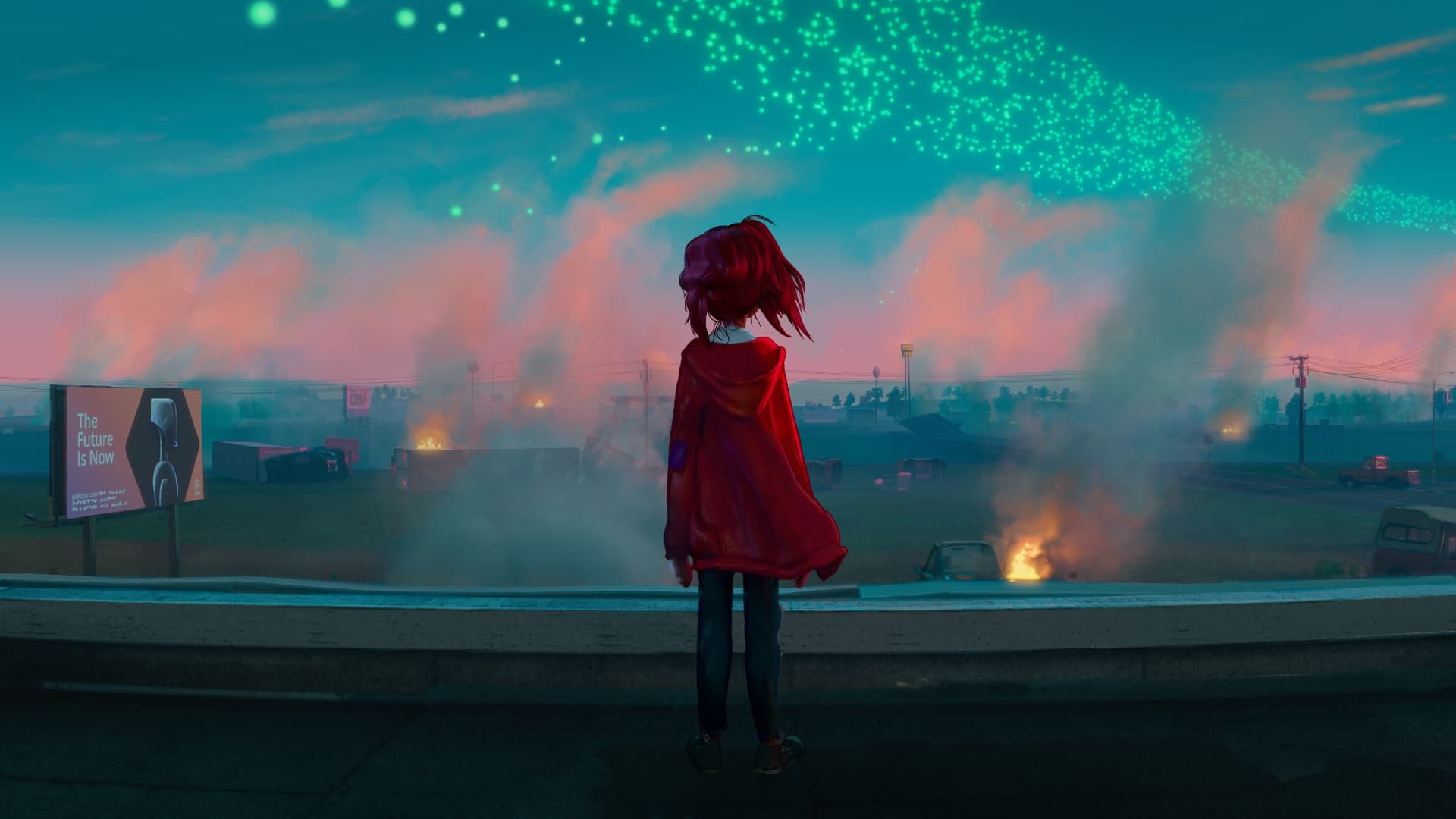
Violence is present and sustained throughout the film, but remains resolutely cartoonish: robots are destroyed, impaled, crushed, with splashes of oil or electronic fluid that mimic the aesthetics of blood without being so. A notable scene shows the mother fighting with a sword against an army of robots with frankly unbridled energy. A threatening giant Furby destroys buildings and fires lasers, which may impress younger viewers. For children under 8, the frequency of action sequences and the very rapid editing may be tiring or anxiety-inducing. Beyond that age, the violence never questions its own legitimacy but remains contained within a logic of humorous survival, with no human targets falling victim to direct violence.
Underlying Values
The film builds its central message around the acceptance of differences within the family unit, and more specifically around the right not to conform to parental expectations. It also explores, with genuine clarity, dependence on screens and blind delegation of our lives to large technology companies. The father's technophobia, initially mocked, proves partially justified, which offers welcome nuance and avoids manichaeism. The eldest daughter's individualism is presented positively but tempered by the realisation that family bonds hold an irreplaceable value that personal achievement cannot compensate for.
Parental and Family Portrayals
The father-daughter relationship is the emotional engine of the film and its treatment is particularly honest. The father is shown as clumsy, out of his depth, incapable of expressing his pride, but never as a character to be rejected: his limitations are contextualised with kindness. The mother is depicted as an active, funny and courageous pillar, without falling into the caricature of the sacrificial figure. The family as a whole is openly dysfunctional, but this dysfunction is presented as an asset rather than a pathology, which constitutes a positive and realistic message about ordinary family life.
Social Themes
The critique of technological dependence and the economic model of major digital platforms is an explicit and well-constructed narrative thread. The film imagines an artificial intelligence rebellion triggered by a purely mercenary decision made by a tech company, which provides a concrete starting point for discussion with a child or teenager about the place of algorithms, voice assistants and connected devices in everyday life. The satire is light but readable, and functionally integrated into the narrative rather than imposed upon it.
Language
The language remains generally clean, with a few light words from colloquial English register rendered inoffensive in the French version. No vulgar or shocking content to report.
Strengths
The film impresses with the density and coherence of its writing: the themes of intergenerational communication and digital dependence are treated with genuine emotional intelligence, without ever weighing on the pace. The visual aesthetic, which blends classical animation and graphic effects evoking the codes of social networks and memes, is inventive and perfectly calibrated to the subject matter of digital culture. The humour works on several registers simultaneously, which is rare: absurd for children, self-deprecating referential humour for adults. On the narrative level, the structure of a family road movie under pressure allows exploration of relational dynamics without forcing them, and the emotional resolution of the father-daughter conflict is touching without being manipulative.
Age recommendation and discussion points
The film is recommended from 9 years old, the age at which sustained action sequences and very rapid editing become manageable without generating anxiety. For serene and fully rewarding viewing, 10 years is a more solid benchmark. Two angles of discussion are worth opening after the credits: ask the child what he or she thinks of the father's reaction to technology, and why he might have been partly right, then explore together what the Mitchell family would have lost had everyone remained glued to their screen rather than embarking on this adventure together.
Synopsis
A quirky, dysfunctional family's road trip is upended when they find themselves in the middle of the robot apocalypse and suddenly become humanity's unlikeliest last hope.
About this title
- Format
- Feature film
- Year
- 2021
- Runtime
- 1h 54m
- Countries
- Hong Kong, United States of America
- Original language
- EN
- Studios
- Lord Miller, Columbia Pictures, Sony Pictures Animation, One Cool Films
Content barometer
- Violence3/5Notable
- Fear2/5A few scenes
- Sexuality0/5None
- Language1/5Mild
- Narrative complexity2/5Moderate
- Adult themes0/5None
Watch-outs
- Violence
Values conveyed
- Acceptance of difference
- Perseverance
- family
- resilience
- acceptance
- teamwork