The Many Adventures of Winnie the Pooh
Does this age rating seem accurate to you?
Detailed parental analysis
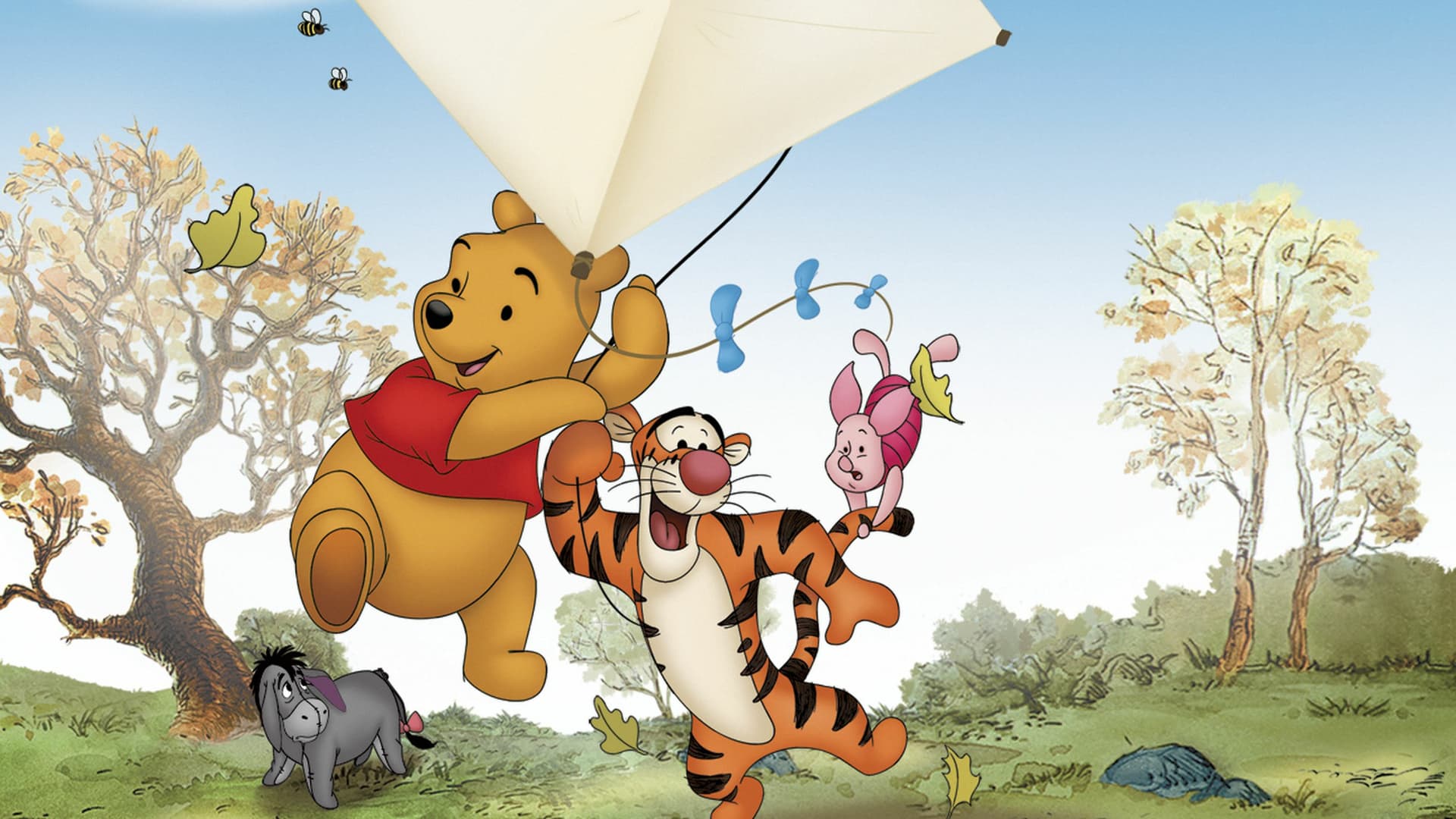
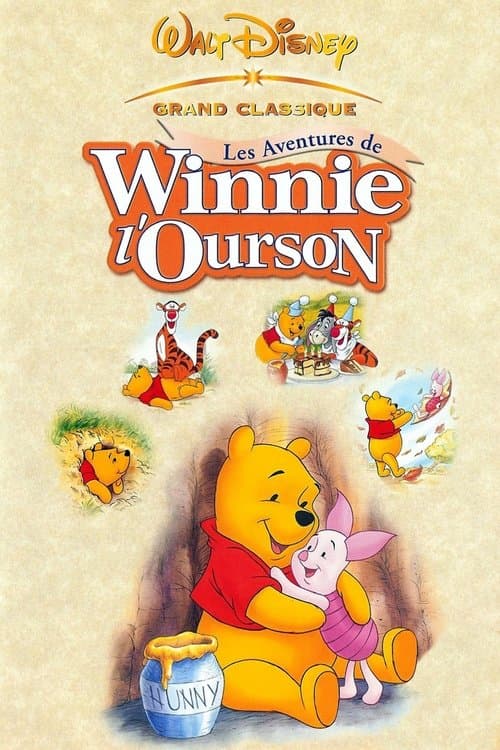
Winnie the Pooh's Adventures is a Disney animated film with a soft and contemplative atmosphere, infused with memorable music and the aesthetic of an animated illustrated book. The narrative follows Winnie, a greedy and dreamy bear cub, through his daily adventures within the Hundred Acre Wood, surrounded by a circle of friends with contrasting personalities. The film is primarily aimed at very young children, but also touches parents through genuine nostalgia and a rare narrative gentleness.
Underlying Values
The film constructs a coherent and positive set of values around disinterested friendship, mutual aid and courage in service of others. Winnie's greed, far from being glorified, brings about direct and comic consequences, which makes it a natural moral device without ever being preachy. Childhood imagination is placed at the heart of the narrative as a creative and benevolent force, and characters of very different temperaments coexist without hierarchy. The only questionable point lies in Tigger's impulsiveness, whose abrupt intrusions are never truly sanctioned, which can qualify the message about respecting others' space.
Violence
Violence is non-existent in the strict sense. The most intense sequences are limited to comic frights: angry bees stinging Winnie on the bottom, Tigger bouncing abruptly on his friends and making them jump, and a storm with strong winds and floods that sweep away Piglet. These moments are treated in the register of light adventure and slapstick comedy, never as a logic of real threat. The dream sequence featuring Heffalumps and Woozles, more psychedelic and visually restless, may surprise very young children with its dreamlike and unsettling atmosphere, but it remains contained and resolves quickly.
Parental and Family Portrayals
Adult and parental figures are almost absent from the film, with the exception of the omniscient and benevolent narrator who plays the role of a gentle guide. This absence is consistent with the film's logic, centred on an autonomous world of animals and playful children. However, it may be noted as a point of conversation with young children: the characters manage their fears and difficulties amongst themselves, which values autonomy and resourcefulness within a secure framework.
Strengths
The film holds a special place in animation of its era thanks to its inventive direction that constantly plays with the materiality of the illustrated book: characters interact with the text and illustrations on the page, which creates a form of playful and elegant meta-fiction, accessible to children from a very young age. The Sherman Brothers' music possesses memorable effectiveness and actively participates in the emotional construction of each sequence. The narration is carried by an assumed slowness that leaves room for detail, absurd humour and tenderness, qualities that have become rare in contemporary animation. For parents who grew up with this film, viewing it again with their children constitutes a concrete cultural transmission laden with emotional resonance.
Age recommendation and discussion points
The film is suitable from age 3 for accompanied viewing, and can be watched peacefully from age 4 with full autonomy. The sequences of light fright, particularly the storm and the psychedelic dream, can be an opportunity to discuss with the child about fear, what is real or imaginary, and what one feels when a friend is in danger. Winnie's greed and its consequences offer another simple and concrete angle for addressing the idea that excess always comes at a price.
Synopsis
Whether we’re young or forever young at heart, the Hundred Acre Wood calls to that place in each of us that still believes in magic. Join pals Pooh, Piglet, Kanga, Roo, Owl, Rabbit, Tigger and Christopher Robin as they enjoy their days together and sing their way through adventures.
About this title
- Format
- Feature film
- Year
- 1977
- Runtime
- 1h 14m
- Countries
- United States of America
- Original language
- EN
- Directed by
- John Lounsbery, Wolfgang Reitherman
- Main cast
- Sterling Holloway, John Fiedler, Junius Matthews, Paul Winchell, Ralph Wright, Howard Morris, Bruce Reitherman, Jon Walmsley, Timothy Turner, Sebastian Cabot
- Studios
- Walt Disney Productions
Content barometer
- Violence1/5Mild
- Fear2/5A few scenes
- Sexuality0/5None
- Language0/5None
- Narrative complexity0/5Simple
- Adult themes0/5None
Values conveyed
- Courage
- Friendship
- Acceptance of difference
- Autonomy
- kindness
- helpfulness
- imagination