The Lord of the Rings: The Fellowship of the Ring
Does this age rating seem accurate to you?
Detailed parental analysis
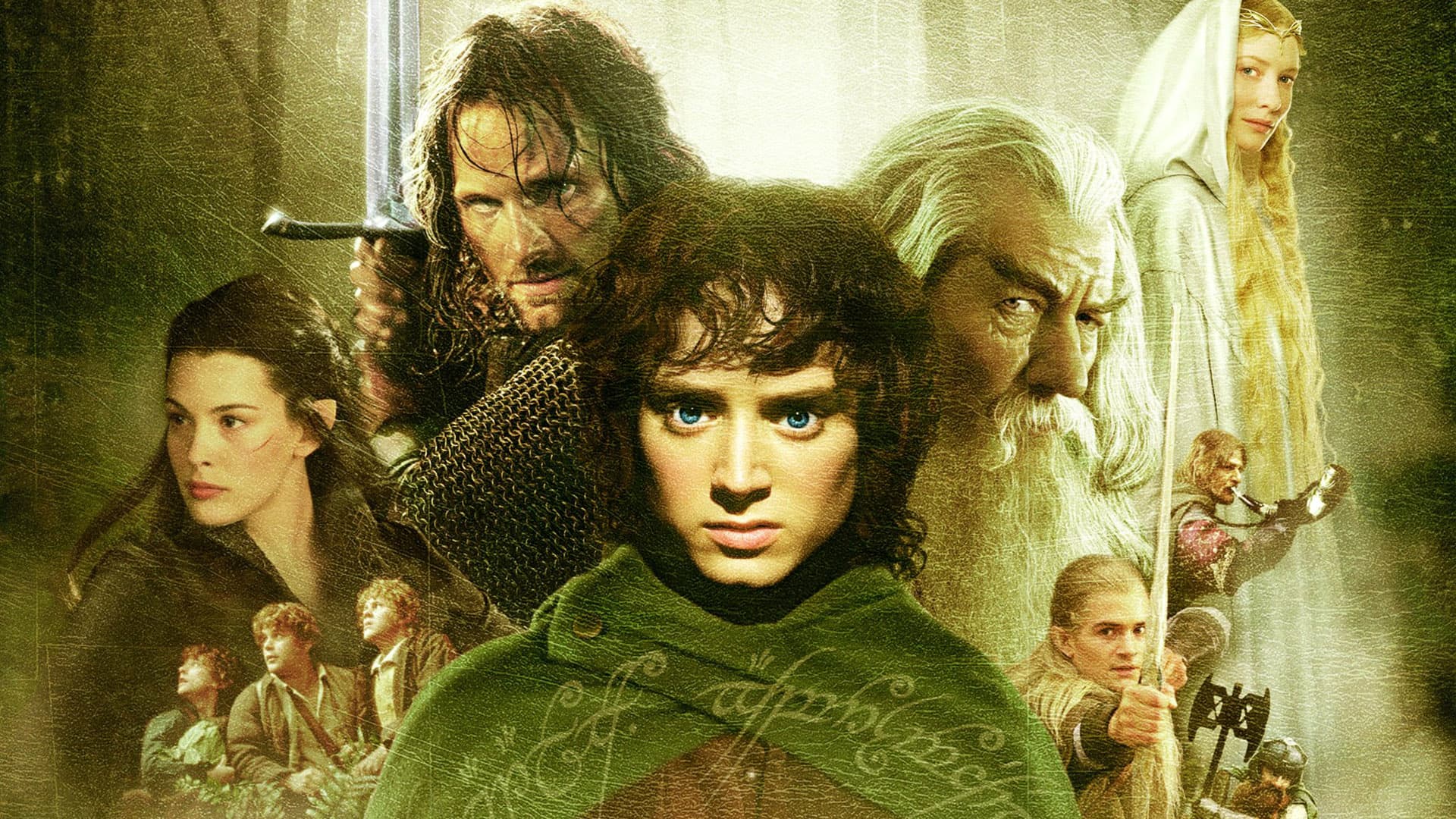
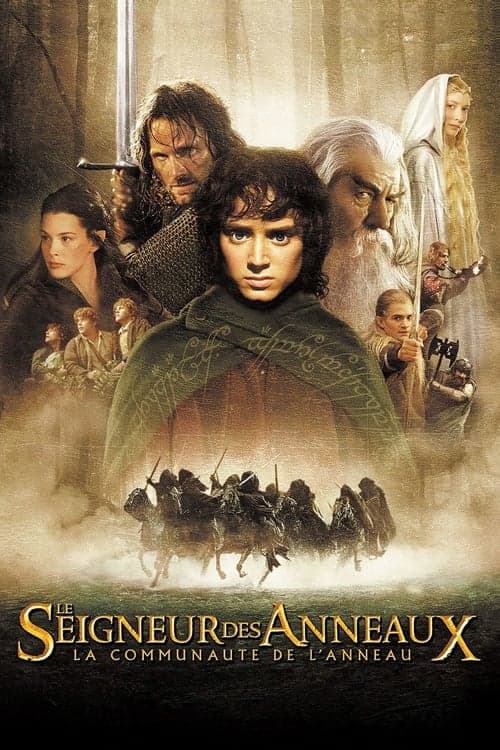
The Fellowship of the Ring is a dark and grandiose fantasy epic, blending moments of contemplation with intense action sequences. A young hobbit inherits a ring of immense power and must join an alliance of peoples to prevent it from falling into the hands of Evil. The film is aimed at teenage and adult audiences, and whilst it is rated from 12 years old in Switzerland, its emotional and visual intensity makes it better suited for teenagers aged 14 and above.
Violence
Violence is present throughout the film in a sustained manner and constitutes a structural element of the narrative. Battles pit humans, elves and orcs against one another in sword, arrow and axe combat, with visible blood, falling bodies and injuries shown without restraint. A major character is killed by two arrows to the back in an emotionally powerful scene, Frodo is stabbed in the shoulder in a sequence of genuine dramatic tension. This violence is never gratuitous or gratifying: it serves the narrative, demonstrates the consequences of war and grounds danger in reality, which is also what makes it harrowing for younger viewers. It legitimises combat as a moral necessity, without glorifying it.
Underlying Values
The film carefully constructs its structural values around resistance to the temptation of absolute power. The Ring is an object of universal corruption that alters even the most virtuous, and the narrative shows that no one is immune to it, regardless of rank or wisdom. This is a narratively dense and intellectually stimulating message for teenagers: power corrupts not through malice but through seduction, and self-awareness is a form of courage. To this is added a clear valorisation of solidarity between different peoples, of the courage of the small against the great, and of loyalty as virtue in action, not merely in word. Individualism is explicitly shown as a weakness that undermines the community.
Social Themes
The film unfolds an implicit reflection on war, coalition-building between peoples and resistance to a totalitarian power. The formation of a heterogeneous community responding to a common threat is treated with genuine complexity: historical mistrust between dwarves, elves and humans is shown as a real obstacle to alliance, not simply as backdrop. The narrative also stages the weight of collective destiny pressing upon ordinary individuals, a theme that can open rich discussion with a teenager about the relationship between individual responsibility and broader stakes.
Discrimination
Tensions between peoples are explicitly present in the film: dwarves and elves hold each other in contempt, certain groups are disparaged on the basis of their appearance or traditions. These antagonisms are shown critically, as obstacles to overcome, not as natural truths. They offer an interesting pedagogical entry point for discussing prejudice and xenophobia. The vast majority of principal characters are male and the casting reflects a very marked homogeneity, which can be noted in discussion without misrepresenting the work.
Strengths
The film is an ambitious and faithful adaptation of a foundational text of Western fantasy literature, and as such constitutes a primary object of cultural transmission for teenagers. The construction of the world is of rare coherence and richness: languages, histories, geographies and peoples articulate into a whole that inspires curiosity for more. The cinematography, natural settings and music construct an atmosphere at once contemplative and epic, and the film knows how to alternate registers, moving from reverence to urgency without jarring transition. The staging of emotional danger, notably around temptation and betrayal, achieves a subtlety that few films of the genre attain. Finally, the film treats its small-statured characters, the hobbits, as the true moral engines of the narrative, a bold narrative choice that subtly inverts the usual codes of heroic storytelling.
Age recommendation and discussion points
The film is not recommended for those under 12 years old due to its visual and emotional intensity, and is fully recommended from 14 years old for untroubled viewing. Two angles of discussion merit exploration after viewing: why is the Ring so difficult to refuse even for the most virtuous characters, and what does this tell us about each person's relationship with power and temptation? One can also explore together why the humblest characters in the narrative prove to be the most morally reliable.
Synopsis
Young hobbit Frodo Baggins, after inheriting a mysterious ring from his uncle Bilbo, must leave his home in order to keep it from falling into the hands of its evil creator. Along the way, a fellowship is formed to protect the ringbearer and make sure that the ring arrives at its final destination: Mt. Doom, the only place where it can be destroyed.
Where to watch
Availability checked on Apr 03, 2026
About this title
- Format
- Feature film
- Year
- 2001
- Runtime
- 2h 59m
- Countries
- New Zealand, United States of America
- Original language
- EN
- Directed by
- Peter Jackson
- Main cast
- Elijah Wood, Ian McKellen, Viggo Mortensen, Sean Astin, Ian Holm, Liv Tyler, Christopher Lee, Sean Bean, Billy Boyd, Dominic Monaghan
- Studios
- New Line Cinema, WingNut Films, The Saul Zaentz Company
Content barometer
- Violence3/5Notable
- Fear4/5Intense
- Sexuality0/5None
- Language0/5None
- Narrative complexity4/5Very complex
- Adult themes0/5None
Watch-outs
- Death
- Violence
Values conveyed
- Courage
- Friendship
- Loyalty
- sacrifice