
The Little Mermaid
Does this age rating seem accurate to you?
Detailed parental analysis
The Little Mermaid is an animated musical tale by Disney, with an atmosphere that swings between joyful and colourful moments and frankly unsettling sequences during its climactic scenes. The plot follows Ariel, a young mermaid fascinated by the world of humans, who takes considerable risks to realise her dreams of independence and find love. The film targets young children and families, but contains passages intense enough to warrant particular attention for children under five years old.
Underlying Values
The narrative structure unambiguously rewards Ariel's disobedience: she defies her father's authority, strikes a dangerous pact with a declared enemy, and the story vindicates her in the end. The implicit message is that taking risks to pursue romantic desires constitutes an admirable form of courage. This pattern deserves discussion with the child, as it tends to associate budding love and self-abandonment as positive values, without ever questioning the haste or real consequences of these choices. In parallel, the film authentically values intellectual curiosity, adventure and the emotional richness of the desire for discovery, which provides a more solid foundation.
Parental and Family Portrayals
King Triton is the central parental character in the narrative, and his portrayal is ambivalent. He is first shown as an authoritarian father incapable of listening, who goes so far as to violently and furiously destroy his daughter's cherished possessions in a fit of rage. This sequence is emotionally powerful and can leave an impression on children. The film later grants him an evolution towards acceptance, but this redemption remains swift and does not erase the image of a parent who causes harm before redeeming himself. The father-child dynamic offers a genuine entry point for discussion about how parental authority can both protect and suffocate.
Violence
The film's violence is concentrated in a few key sequences but reaches genuine intensity. The final scene sees the villainous Ursula swell to monstrous size, brandish a devastating trident and unleash a deadly storm around a ship in flames. The eels that accompany her are struck by lightning and destroyed. A shark chases the characters menacingly on several occasions. These sequences, whilst containing no gore, are visually striking and clearly designed to be terrifying. The violence remains functional and narrative: it characterises a genuine antagonist and heightens dramatic stakes, but it is intense enough to frighten more sensitive children.
Sex and Nudity
Ariel's transformation into a human is briefly accompanied by partial nudity, framed below the waist with sensitive areas in shadow. The intention is not suggestive and the sequence is treated with restraint. The romantic storyline between Ariel and the prince is naive and devoid of sexual content. However, the narrative construction of Ariel, who sacrifices her voice and risks her identity to please a man she does not know, can open a useful discussion about representations of romantic love aimed at young girls.
Discrimination
The character of the French chef is a broad and explicitly violent caricature: he chases Sebastian the crab with a butcher's knife in a sequence played for comedy but which rests entirely on a national stereotype. This portrayal, whilst treated in a humorous vein, merits being flagged to parents who wish to sensitise their children to cultural shortcuts.
Strengths
The Little Mermaid revitalised studio animated musicals with a memorable score that serves the drama: the songs advance the story and reveal characters rather than simply illustrating them. The visual design of the underwater world is inventive and coherent. The film succeeds in building a truly charismatic antagonist in Ursula, a character who remains one of the best-written villainous figures of this type of animation. Emotionally, it addresses with sincerity the tension between the desire for adolescent autonomy and family attachment, without resolving this tension through a simple narrative wave of the wand, even though the story's conclusion remains consensual.
Age recommendation and discussion points
The film is suitable from five years old for robust children, preferably from six years old for a serene viewing experience, as Ursula's sequences may frighten more sensitive children below that age. Two angles of discussion are worth opening after viewing: first, what Ariel accepts to sacrifice for a boy she does not know and what this says about the way the tale presents love; secondly, the father's anger and the way he might have handled things differently to be heard without destroying what mattered to his daughter.
Synopsis
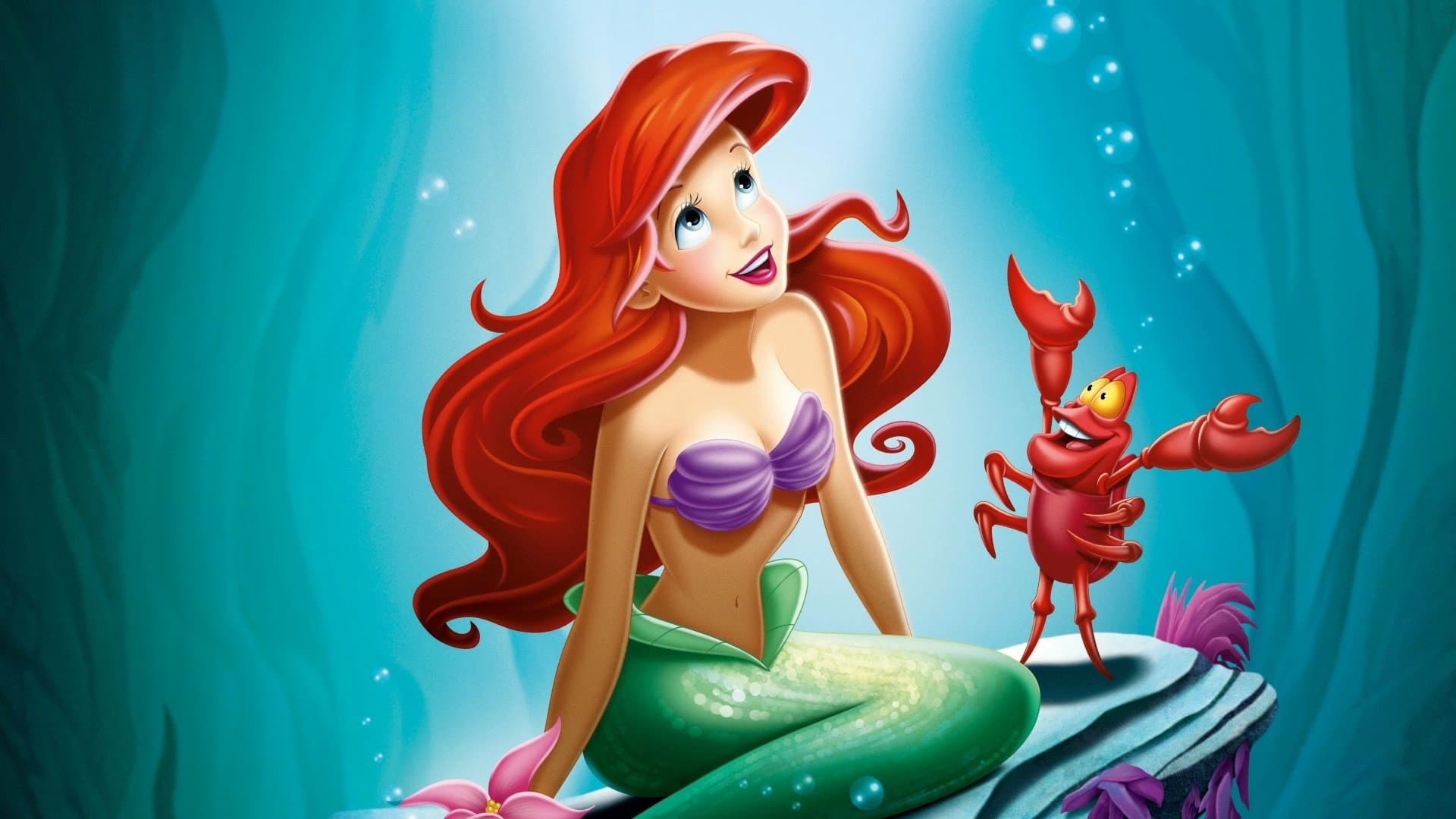
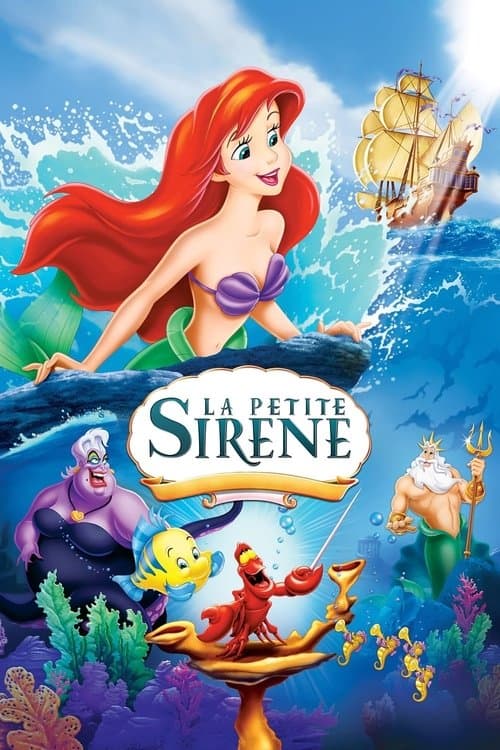
This colorful adventure tells the story of an impetuous mermaid princess named Ariel who falls in love with the very human Prince Eric and puts everything on the line for the chance to be with him. Memorable songs and characters -- including the villainous sea witch Ursula.
About this title
- Format
- Feature film
- Year
- 1989
- Runtime
- 1h 23m
- Countries
- United States of America
- Original language
- EN
- Studios
- Silver Screen Partners IV, Walt Disney Feature Animation