The Lion King 1½
Does this age rating seem accurate to you?
Detailed parental analysis
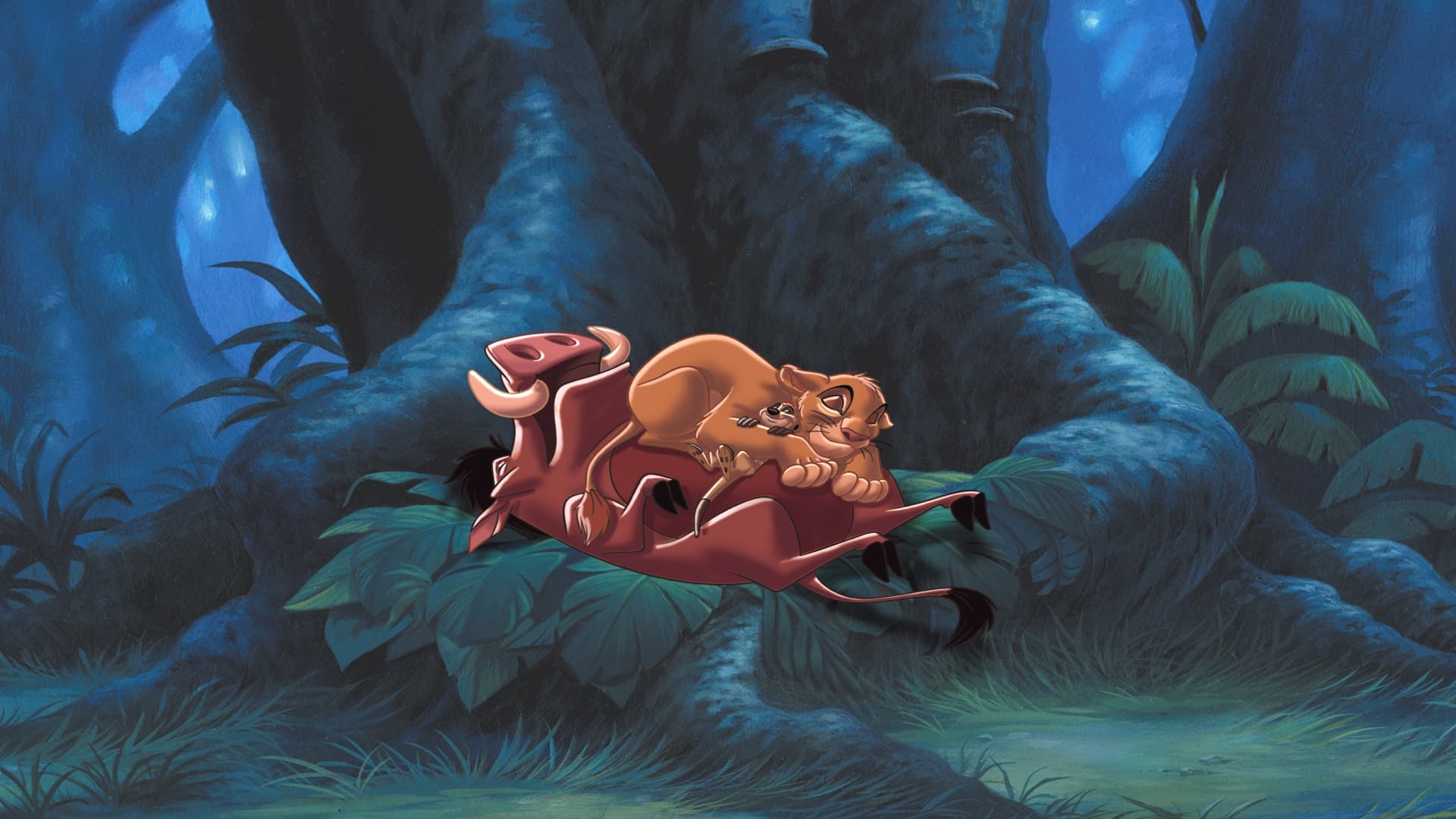
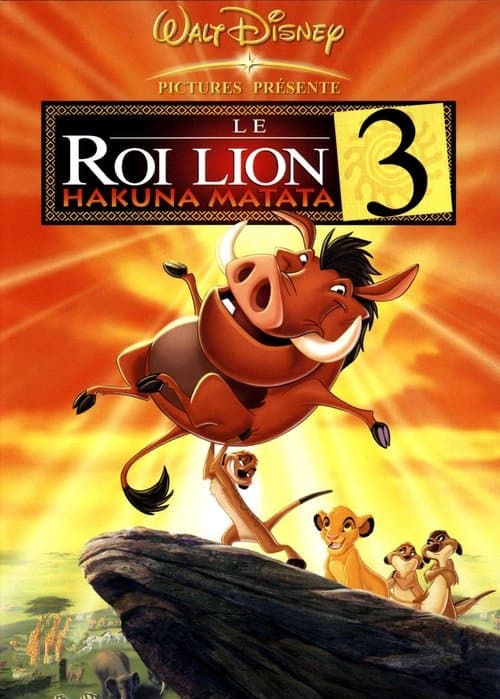
The Lion King 3: Hakuna Matata is a light and burlesque animated comedy that revisits the events of the first The Lion King through the eyes of Timon and Pumbaa. The plot traces the genesis of their friendship and their meeting with Simba, interspersing parodic scenes within the iconic moments of the original film. The film is aimed primarily at young children already familiar with the Disney universe, with deliberately scatological humour and a resolutely relaxed tone.
Underlying Values
The film's central philosophy, summed up by the Hakuna Matata slogan, promotes radical carefree living: shirking responsibility, living day to day and ignoring problems rather than confronting them. This message is presented as liberating and positive, without genuine questioning within the narrative. It is a useful angle for discussion with a child: carefree living can be a resource against anxiety, but it solves nothing on its own. The film slightly nuances this stance towards the end of the story, when Timon agrees to commit to helping Simba, but the valorisation of avoidance remains dominant.
Violence
Violence is present in the form of chases and fights inherited from the first film, reinterpreted here through a comic lens that considerably diminishes their emotional weight. The hyenas constitute a recurring threat to Timon and Pumbaa, with a few appearances designed to surprise rather than to frighten lastingly. The scene of the wildebeest stampede and the final battle between Simba and Scar are taken from the original film, but treated in a lighter manner. For a child under five years old, certain chase sequences may still provoke a passing fright.
Parental and Family Portrayals
Timon is presented as a character who flees his family and his community of origin, unable to integrate and keen to break with his group of belonging. His mother and his uncle Max appear briefly as affectionate but out-of-depth figures. Timon's family dynamic is treated lightly, but it raises implicitly the question of belonging and rejection: Timon does not feel at home among his own, and it is friendship that builds him a substitute family.
Social Themes
The film addresses implicitly the question of belonging to a group and social rejection: Timon is marginalised by his community before finding his place elsewhere. This theme remains treated in the mode of comedy and is never deepened, but it may resonate with a child experiencing difficulties with integration.
Strengths
The film makes genuine use of its narrative device: recounting the behind-the-scenes of a known story by inserting secondary characters is a pleasant exercise in mise en abyme, which can introduce children to the notion of point of view and alternative narrative. The burlesque humour works well in its best moments, and the complicity between Timon and Pumbaa remains endearing. The film is short, briskly paced, and makes no claim to be more than it is: a light and affectionate variation on an already beloved universe.
Age recommendation and discussion points
The film is suitable from age five onwards for viewing without major reservations, provided the child has already seen the first The Lion King to appreciate its references. Two angles of discussion are worth opening after viewing: ask the child whether Hakuna Matata is really a good way to solve one's problems, and explore with them what it means to feel different from one's family or peers, and how one finds one's place despite everything.
Synopsis
Timon the meerkat and Pumbaa the warthog are best pals and the unsung heroes of the African savanna. This prequel to the smash Disney animated adventure takes you back -- way back -- before Simba's adventure began. You'll find out all about Timon and Pumbaa and tag along as they search for the perfect home and attempt to raise a rambunctious lion cub.
About this title
- Format
- Feature film
- Year
- 2004
- Runtime
- 1h 17m
- Countries
- United States of America
- Original language
- EN
- Directed by
- Bradley Raymond
- Main cast
- Nathan Lane, Ernie Sabella, Julie Kavner, Jerry Stiller, Matthew Broderick, Robert Guillaume, Moira Kelly, Whoopi Goldberg, Cheech Marin, Jim Cummings
- Studios
- DisneyToon Studios
Content barometer
- Violence2/5Moderate
- Fear2/5A few scenes
- Sexuality0/5None
- Language1/5Mild
- Narrative complexity1/5Accessible
- Adult themes0/5None
Watch-outs
Values conveyed
- Courage
- Friendship
- Acceptance of difference
- Loyalty
- teamwork
- belonging
- resilience