The Lego Movie
Does this age rating seem accurate to you?
Detailed parental analysis
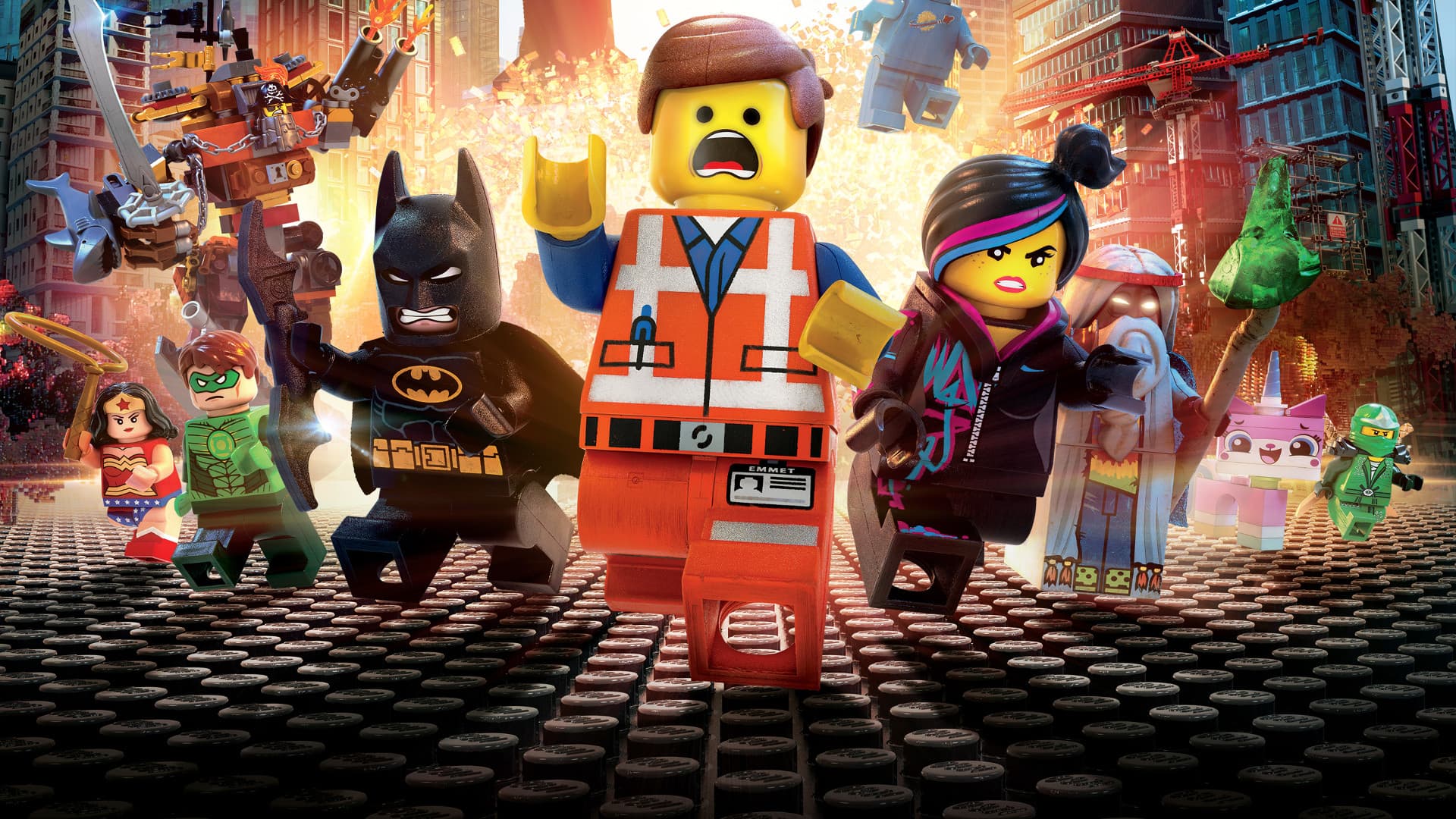
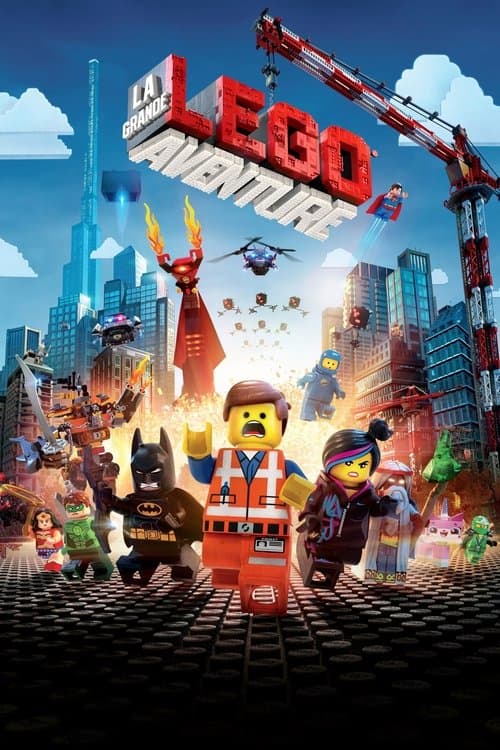
The LEGO Movie is a family animation film with a deliberately hysteric and colourful atmosphere, driven by rapid-fire humour and frantic pacing. The plot follows Emmet, a perfectly ordinary LEGO worker thrust against his will into the heart of a resistance against a tyrannical leader who wants to freeze the world with superglue. The film primarily targets children from age 7 onwards and their parents, with an additional layer of reading clearly intended for adults.
Underlying Values
The film builds its narrative on a tension between conformism and creativity: either follow instructions to the letter or invent freely, and it is imagination that triumphs. This message is sound and well executed, but it sits within a structure of mass control that deserves to be flagged. The society depicted operates through media surveillance, a single song imposed on everyone, uniform consumption and punishment of deviants, which constitutes a satire of totalitarianism clearly readable by adults but potentially anxiety-inducing for young children without the interpretive tools to understand it. Furthermore, the film promotes teamwork and solidarity in a concrete and engaging way: the hero never succeeds alone. The overall message remains positive, but the critique of conformism merits being made explicit with younger viewers so they grasp it as such rather than as a representation of the real world.
Parental and Family Portrayals
The father-son relationship is the true emotional driver of the film, revealed in the final section. The father initially appears as a rigid and authoritarian character whose obsessive control over a universe he wants to be perfect ends up imprisoning everyone around him. The final reconciliation, centred on mutual understanding and the right to play together without imposed rules, is touching and well handled. This is one of the richest themes to discuss with a child, particularly regarding the difference between authority and tyranny, and what it means to share something rather than possess it.
Violence
Violence is present consistently throughout the film, but it remains entirely LEGO, which significantly diminishes its impact. Characters are decapitated, dismembered, smashed, melted or reduced to powder, but according to toy logic: arms reassemble, heads snap back into place. Laser gun fights and chases under a barrage of gunfire punctuate most of the film. An interrogation scene with handcuffs and the threat of being melted in an oven is more explicitly unsettling. For a child of 7 years and above, the game logic defuses most of the discomfort. For a child under 6 years old, the frequency of destruction sequences and the intensity of the villain in the basement scenes may cause genuine fear.
Social Themes
The film offers a recognisable satire of social control through media and consumption: everyone watches the same broadcast, buys the same coffee, sings the same song, and conformity is actively monitored. This political dimension is treated with humour and distance, but it is real and structuring to the narrative. For a teenager or adult, it is an invitation to reflect on the mechanisms of mass manipulation. For a young child, the boundary between satire and reality is not yet accessible, which justifies discussing it after the film.
Language
The language remains mild and poses no notable issue. A few slightly negative expressions, childish insults and a brief allusion to nudity without detail constitute the bulk of what should be noted. Nothing that warrants particular parental concern.
Strengths
The film is a rare writing success in its genre: it functions simultaneously on two levels, that of childhood adventure and that of referential comedy for adults, without the two registers sabotaging each other. The narrative revelation in the final act, which reframes the entire story in a completely different perspective, is particularly well constructed and gives the film unexpected emotional depth. The pacing is controlled to keep children engaged whilst offering parents dense humour on pop culture and genre cinema archetypes. The political satire is never heavy-handed or preachy. Finally, the film says something sincere about the relationship between a parent and child, their need to play together, and what is lost when control takes precedence over sharing.
Age recommendation and discussion points
The film is suitable from age 7 onwards for a comfortable viewing experience; below age 6, the recurring violence and darker scenes in the final act may trouble more sensitive children. After viewing, two angles are worth exploring with the child: ask them why Lord Business wants everyone to follow the instructions, and what that says about their own way of playing, inventing, sometimes disobeying the rules. The final scene between father and son is also a fine starting point for discussing what each of you enjoys doing together at home.
Synopsis
An ordinary Lego mini-figure, mistakenly thought to be the extraordinary MasterBuilder, is recruited to join a quest to stop an evil Lego tyrant from conquering the universe.
About this title
- Format
- Feature film
- Year
- 2014
- Runtime
- 1h 40m
- Countries
- Australia, Denmark, United States of America
- Original language
- EN
- Studios
- Village Roadshow Pictures, RatPac Entertainment, The LEGO Group, Lin Pictures, Vertigo Entertainment, Warner Animation Group, Animal Logic
Content barometer
- Violence2/5Moderate
- Fear3/5Notable tension
- Sexuality0/5None
- Language1/5Mild
- Narrative complexity2/5Moderate
- Adult themes0/5None
Watch-outs
Values conveyed
- Courage
- Friendship
- creativity
- self confidence
- teamwork