The Lego Movie 2: The Second Part
Does this age rating seem accurate to you?
Detailed parental analysis
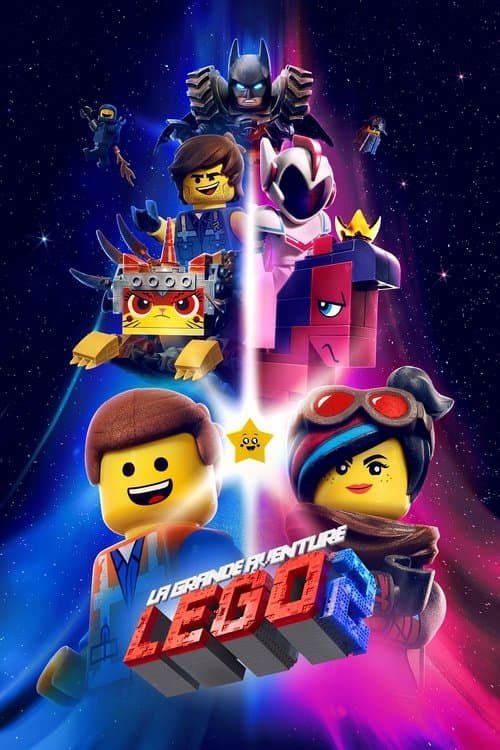
The LEGO Movie 2 is a family animated comedy with a bright and decidedly joyful tone, with touches of melancholy at its edges. The plot follows Emmet and his friends confronted with an invasion from space, whilst a rivalry between brother and sister quietly structures the narrative in the background. The film aims at a broad audience, from young children to adults, by playing on multiple layers of meaning simultaneously.
Underlying Values
The film builds its central message around reconciliation between opposing styles of play, which leads to a sincere reflection on identity rigidity and gender categorisation. The narrative directly questions the idea that a character must remain in a defined box, masculine or feminine, dark or light, and proposes that the value of a way of playing or being should not depend on the gaze of others. This message is integrated into the very structure of the narrative rather than added on the surface. Friendship and cooperation are also valued as responses to conflict, at the expense of the solitary posture and individual performance.
Violence
Fights and destruction are omnipresent but entirely filtered through the playful prism of the LEGO brick: no blood, no realistic injury, no weighty death. Violence remains spectacular without ever becoming oppressive for a young audience, and the plastic material of the characters functionally distances any visceral identification with pain. A nightmare scene showing characters falling into a void may momentarily surprise the most sensitive children, as does Unikitty's transformation into a monstrous creature during a fit of anger, but these sequences follow a clear narrative logic and do not last.
Parental and Family Portrayals
The parent-child relationship plays a structuring role in the narrative without adults being caricatured or absent. The parental figure seeks to set boundaries around shared play and finds itself in tension with the children's desires, which gives the film a dimension of coherent generational narrative. This dynamic offers rich material for discussion with a child about the frustration linked to sharing and about how adults may struggle to understand the importance of free play.
Substances
A brief scene shows LEGO characters consuming beverages in a bar setting, treated in a humorous manner with no explicit valorisation. Champagne also appears as a propellant in a gadget sequence. These elements are anecdotal and without normative bearing.
Strengths
The film succeeds in superimposing two readings without one crushing the other: children find in it a sustained pace, inventive visual gags and endearing characters, whilst adults perceive the relational stakes between brother and sister that give the narrative real emotional depth. The writing plays with the conventions of film genres in a clever manner, particularly around the tropes of epic adventure, and manages to mock the codes without escaping them. The soundtrack effectively accompanies shifts in emotional register. This is not an ambitious film in the strict sense, but it accomplishes what it aims for with a narrative coherence and generosity that both generations can appreciate together.
Age recommendation and discussion points
The film is suitable from age 6 without major reservation, the few more intense scenes being well contextualised and quickly defused. Two angles of discussion are worth pursuing after viewing: ask the child why Emmet struggles to accept that others are changing, and explore with him whether certain ways of playing or being seem to him reserved for girls or boys, and what the film thinks of that.
Synopsis
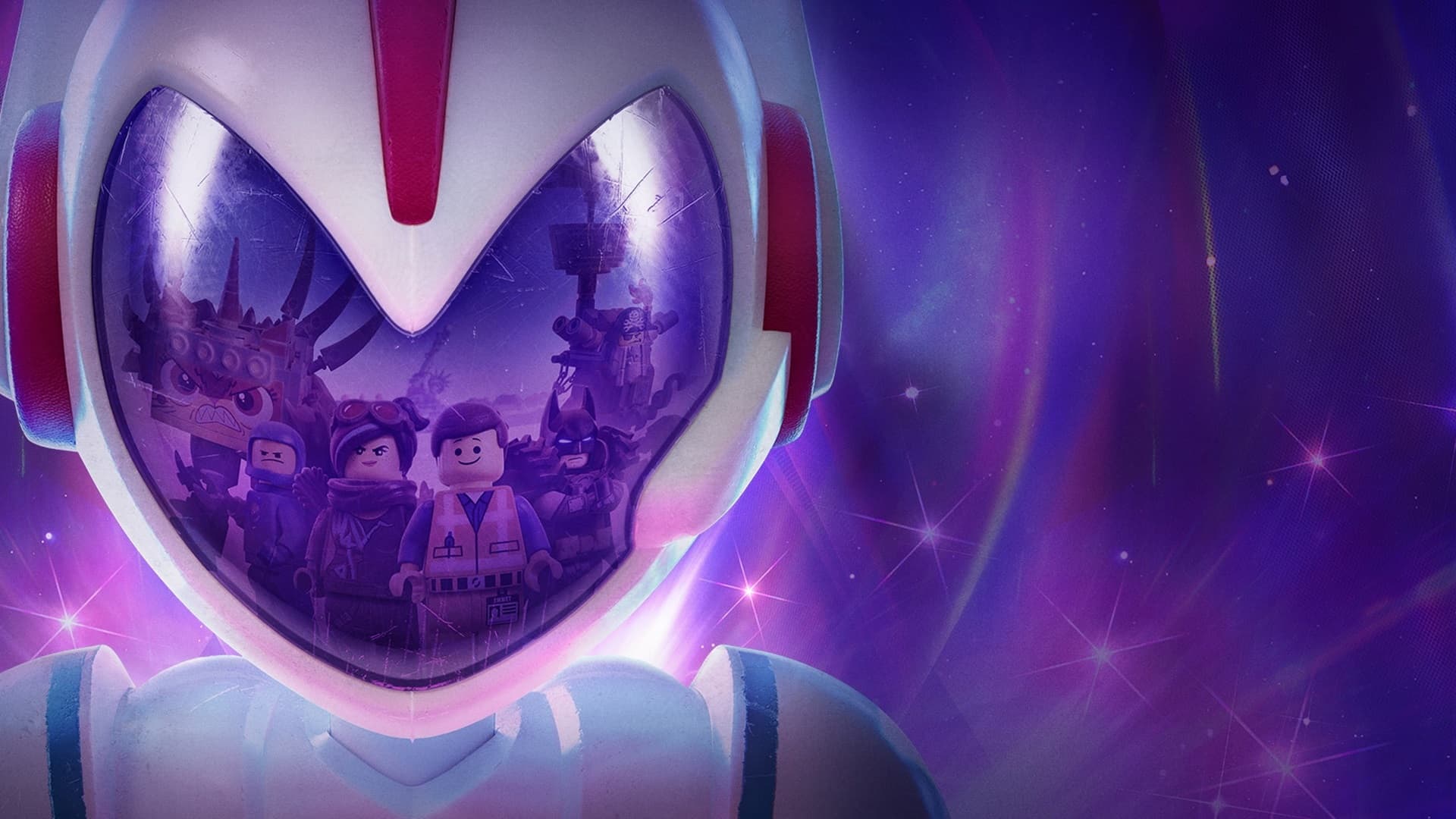
It's been five years since everything was awesome and the citizens are facing a huge new threat: LEGO DUPLO® invaders from outer space, wrecking everything faster than they can rebuild.
About this title
- Format
- Feature film
- Year
- 2019
- Runtime
- 1h 47m
- Countries
- Canada, Denmark, United States of America
- Original language
- EN
- Studios
- Vertigo Entertainment, Warner Animation Group, Lord Miller, Rideback, The LEGO Group, Animal Logic
Content barometer
- Violence2/5Moderate
- Fear2/5A few scenes
- Sexuality0/5None
- Language1/5Mild
- Narrative complexity2/5Moderate
- Adult themes1/5Mild
Watch-outs
- Gender stereotypes
Values conveyed
- Friendship
- Acceptance of difference
- Forgiveness
- courage
- creativity
- cooperation