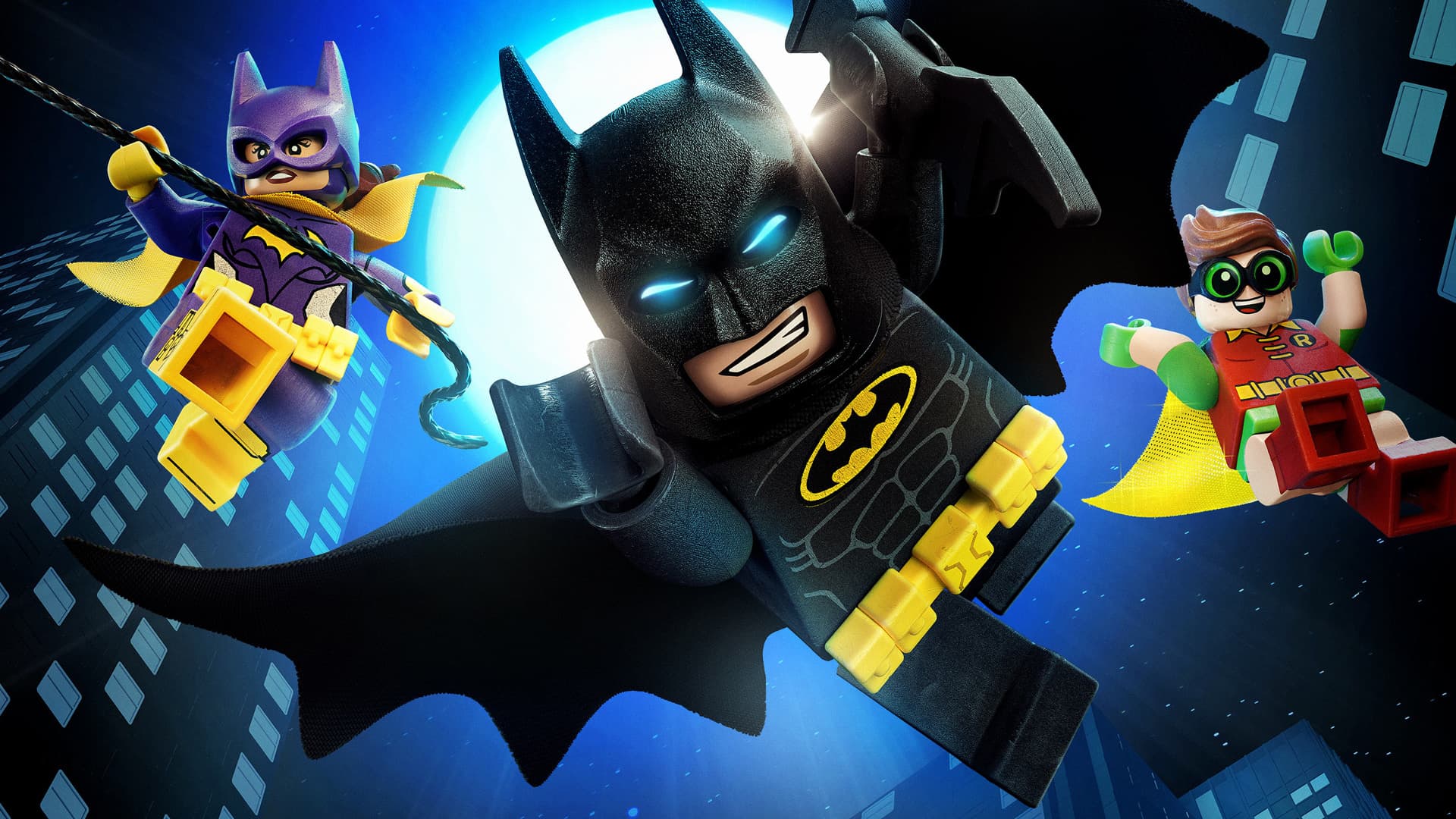
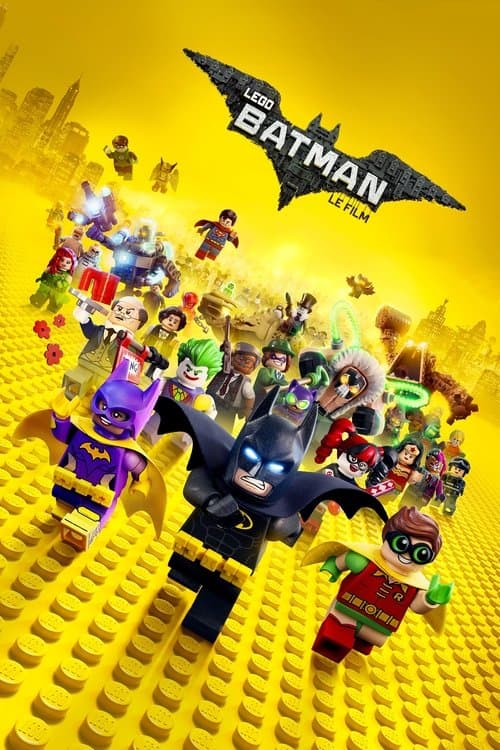
The Lego Batman Movie
Does this age rating seem accurate to you?
Detailed parental analysis
Lego Batman is a fast-paced animated action comedy with a deliberately absurd tone, built on layered humour that addresses children and adults simultaneously. The plot follows Batman, a solitary and narcissistic hero, forced to open himself to others in order to face a threat that exceeds his individual capabilities. The film targets a broad family audience, but its visual chaos and multiple cultural references make it more accessible from school age onwards.
Underlying Values
The film's true subject is Batman's narcissism: his inability to receive affection, his rejection of community, his entire identity constructed around solitary performance. The narrative dismantles this methodically and without compromise, demonstrating that radical individualism is a form of fear disguised as strength. The message is clear and honest: chosen solitude as armour eventually destroys the one who shelters behind it. Conversely, the Joker is treated with genuine narrative sympathy, his desire to be recognised by Batman functioning as a disturbing yet coherent emotional mirror. This is an excellent starting point for discussing self-worth, vulnerability and what it truly means to be strong with a child.
Parental and Family Portrayals
Family lies at the heart of the film in a deliberately unconventional form: Batman becomes an adoptive father despite himself, and the entire narrative revolves around his resistance to and eventual acceptance of this role. The family model presented is affectionate and voluntary rather than biological, which opens up interesting conversations. Alfred plays the role of a stable and benevolent parental figure, a direct counterbalance to Batman's emotional chaos. The portrayal of parenthood is broadly positive and grounded in the necessity of being present rather than performative.
Violence
Violence is omnipresent in the form of combat, explosions and massive destruction, but it remains entirely stylised by the Lego aesthetic: nothing bleeds, characters disassemble into bricks rather than suffer. Two-Face presents a notable visual exception, with half his face depicting burnt flesh down to the skull bone, sufficiently realistic in its graphic intention to disturb some sensitive children. The pace is so relentless that the film can overwhelm younger viewers not through fear but through sensory saturation. For children aged 7 and upwards, the violence remains in the register of consequence-free spectacle.
Substances
Alcohol is visible in a scene at a high society gala where characters drink wine, and Pinot Grigio is mentioned by name. Its presence is brief and incidental to the film's economy, but it is not neutral either: it is a detail designed to make adults in the audience smile. No explicit valorisation of consumption, no tobacco, no drugs.
Sex and Nudity
Sexual humour is light but present. Robin removes his trousers to reveal a thong, in a scene played for laughs. Batman alludes to his physique and abdominal muscles with comic vanity. These elements fall into the category of schoolboy humour rather than sexualisation proper, and generally go over the heads of younger children. For older children, the tone remains clearly parodic.
Language
The linguistic register remains broadly clean. A few light English words such as 'sucks', 'darn' or 'butt' pepper the dialogue, without true insults. For a French-speaking child, the impact is minimal if the film is watched in the French version.
Strengths
The film achieves something quite rare: dismantling the archetype of the solitary superhero from within, with genuine narrative and emotional coherence, whilst remaining an effective comedy. The humour works on multiple levels simultaneously, adults catching references that children miss without that detracting from the enjoyment of either group. The critique of individualism is not tacked on as a conclusion but constructed scene by scene through the character's choices. The film also conveys a form of generosity towards its antagonists, particularly the Joker, which enriches the narrative well beyond a simple good-versus-evil confrontation. For a child old enough to understand it, this is a film that poses genuine questions about identity, the fear of abandonment and what one gains by opening oneself to others.
Age recommendation and discussion points
The film is suitable from 7 or 8 years of age for relaxed viewing, with a note for children very sensitive to intense images who may be disturbed by certain visual representations or by the saturated pace. To discuss after viewing: why does Batman refuse to have a family, and what does he truly fear? You can also ask the child whether being strong alone is truly being strong.
Synopsis
A cooler-than-ever Bruce Wayne must deal with the usual suspects as they plan to rule Gotham City, while discovering that he has accidentally adopted a teenage orphan who wishes to become his sidekick.
About this title
- Format
- Feature film
- Year
- 2017
- Runtime
- 1h 45m
- Countries
- United States of America, Denmark, Australia
- Original language
- EN
- Studios
- Lin Pictures, Animal Logic, DC Entertainment, Lord Miller, Warner Bros. Pictures, The LEGO Group, Warner Animation Group, RatPac Entertainment
Content barometer
- Violence2/5Moderate
- Fear2/5A few scenes
- Sexuality1/5Allusions
- Language1/5Mild
- Narrative complexity2/5Moderate
- Adult themes1/5Mild
Watch-outs
- Alcohol
- Violence
Values conveyed
- Autonomy
- Forgiveness
- friendship
- family
- teamwork
- courage