
The Last: Naruto the Movie
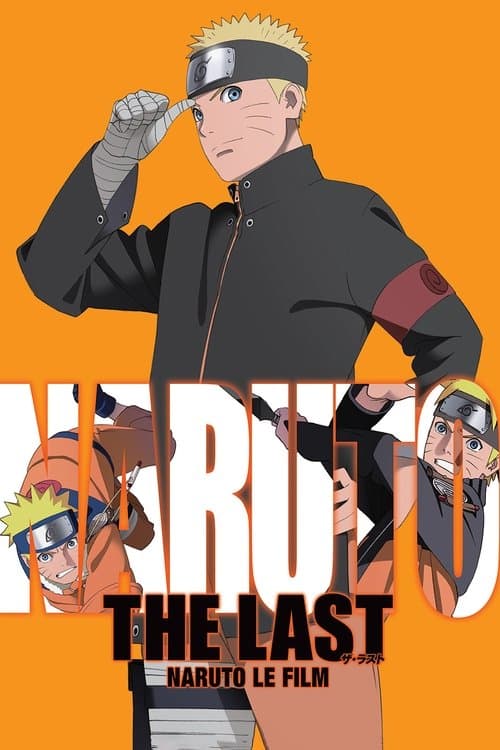
THE LAST -NARUTO THE MOVIE-
Does this age rating seem accurate to you?
Detailed parental analysis
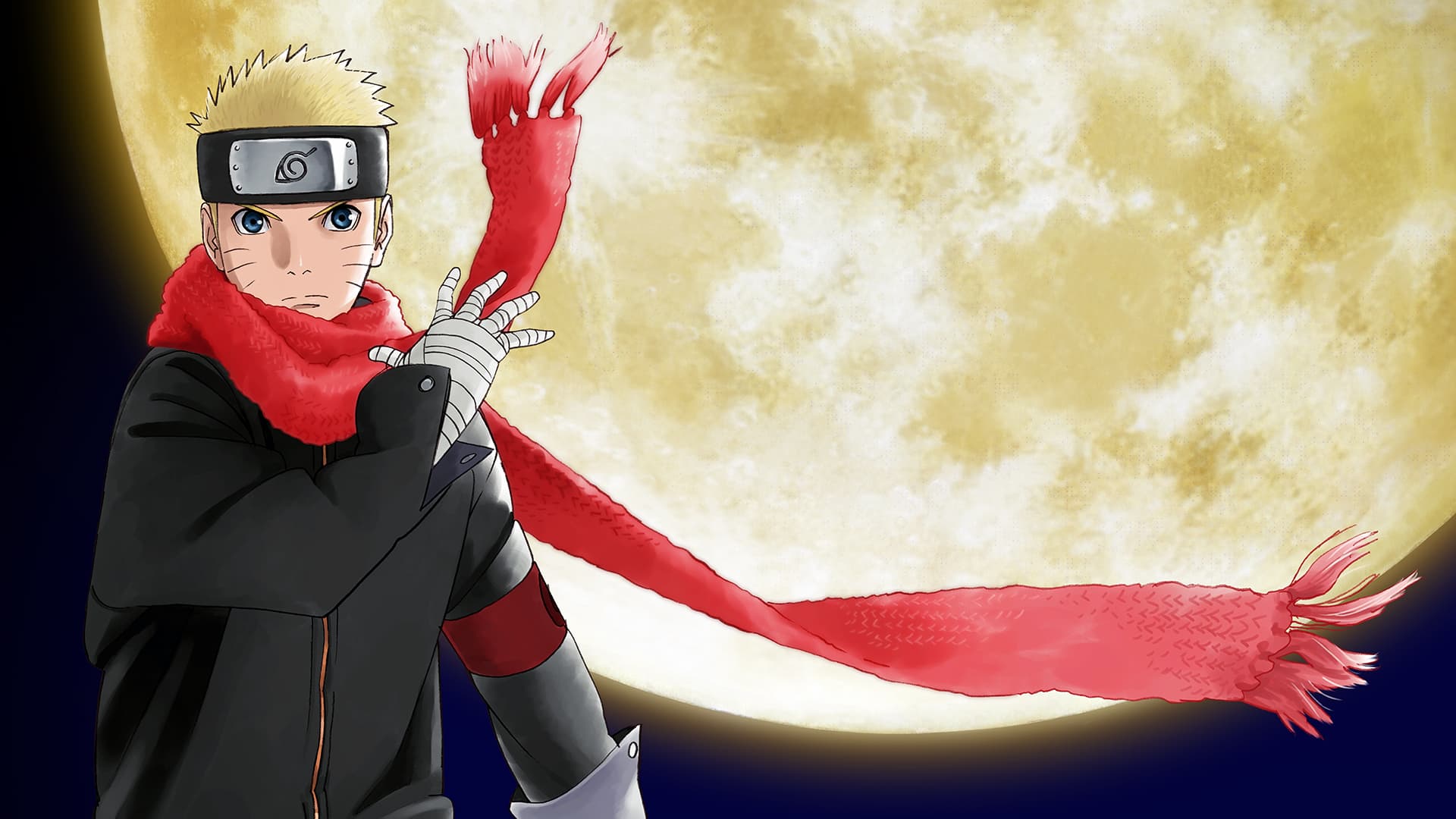
The Last: Naruto the Movie is an animated adventure and romance film with an atmosphere that is both epic and emotional, designed as a direct conclusion to the long Naruto saga. The plot follows Naruto and his companions as they must prevent the moon from crashing into the Earth, whilst a long-delayed love story finally reaches its conclusion. The film is primarily aimed at teenagers and young adults already familiar with the series, and assumes prior knowledge of the characters in order to grasp its full emotional impact.
Underlying Values
The film places love and the protection of those close to us at the heart of its narrative mechanics, making the relationship between Naruto and Hinata the true driving force behind the resolution of the conflict. Perseverance and courage in the face of adversity, central values throughout the entire franchise, are extended here without being questioned. By contrast, the treatment of the villain merits attention: Toneri embodies a logic of possession and control over Hinata, presented as a threat to be fought, which offers a useful opening for discussing respect for autonomy within a relationship. The film does not glorify this dynamic, but neither does it analyse it explicitly.
Violence
Ninja battles are frequent, dynamic and occasionally bloody, in keeping with the tone of the television series. Violence remains stylised and oriented towards the resolution of the conflict rather than gratuitous spectacle. A scene of forced eye transplantation, whilst not shown in its surgical details, constitutes the most disturbing element of the film: it involves a young character and is part of a logic of bodily violation exercised by the villain. The whole remains within the codes of action shōnen without descending into gore, but the intensity is real and sustained.
Parental and Family Portrayals
The film depicts the relationship between two sisters, one of whom is captured and instrumentalised by the villain, which places family protection at the centre of the emotional stakes. Parental figures are absent or secondary, in keeping with the conventions of the shōnen genre where young protagonists act autonomously. This implicit narrative structure is worth noting with a younger child, even if it is not problematic in itself.
Language
The language is generally restrained. A few mildly vulgar expressions appear in isolation, without this being a marked feature of the film. This point is incidental for a teenager.
Strengths
The film achieves what few conclusions to long franchises manage to accomplish: providing an emotionally satisfying resolution to a relationship built over years of narrative. Hinata's arc, a character long relegated to a secondary role, is treated here with unusual depth for the genre, and her courage in facing the villain constitutes one of the film's strongest moments. The narrative knows how to alternate apocalyptic tension and romantic intimacy without one overwhelming the other. For a teenager who is a fan of the series, the film functions as a rare object of narrative closure, capable of prompting reflection on what it means to recognise and express one's feelings.
Age recommendation and discussion points
The film is suitable from age 12 onwards, the minimum age recommended for the series from which it is derived, provided the child is already familiar with the Naruto universe. The eye transplantation scene and the dynamic of control exercised by the villain over Hinata can serve as a starting point for a discussion about respect for the other in a relationship and the difference between love and possession. One can also explore with the teenager what the film says about the difficulty in expressing one's emotions, and why it takes Naruto so long to understand his own feelings.
Synopsis
Two years after the events of the Fourth Great Ninja War, the moon that Hagoromo Otsutsuki created long ago to seal away the Gedo Statue begins to descend towards the world, threatening to become a meteor that would destroy everything on impact. Amidst this crisis, a direct descendant of Kaguya Otsutsuki named Toneri Otsutsuki attempts to kidnap Hinata Hyuga but ends up abducting her younger sister Hanabi. Naruto and his allies now mount a rescue mission before finding themselves embroiled in a final battle to decide the fate of everything.
About this title
- Format
- Feature film
- Year
- 2014
- Runtime
- 1h 52m
- Countries
- Japan
- Original language
- JA
- Directed by
- Tsuneo Kobayashi
- Main cast
- Junko Takeuchi, Nana Mizuki, Jun Fukuyama, Chie Nakamura, Showtaro Morikubo, Kazuhiko Inoue, Akira Ishida, Hideaki Tezuka, Yurika Hino, Tomomichi Nishimura
- Studios
- Aniplex, Pierrot, Bandai Visual, dentsu, Shueisha, TV Tokyo
Content barometer
- Violence3/5Notable
- Fear2/5A few scenes
- Sexuality1/5Allusions
- Language1/5Mild
- Narrative complexity2/5Moderate
- Adult themes0/5None
Watch-outs
- Abuse
- Violence
Values conveyed
- Courage
- Friendship
- Perseverance
- Loyalty
- Autonomy
- Forgiveness
- sincere love
- sacrifice
- protecting loved ones
- peace