The King's Daughter
Does this age rating seem accurate to you?
Detailed parental analysis
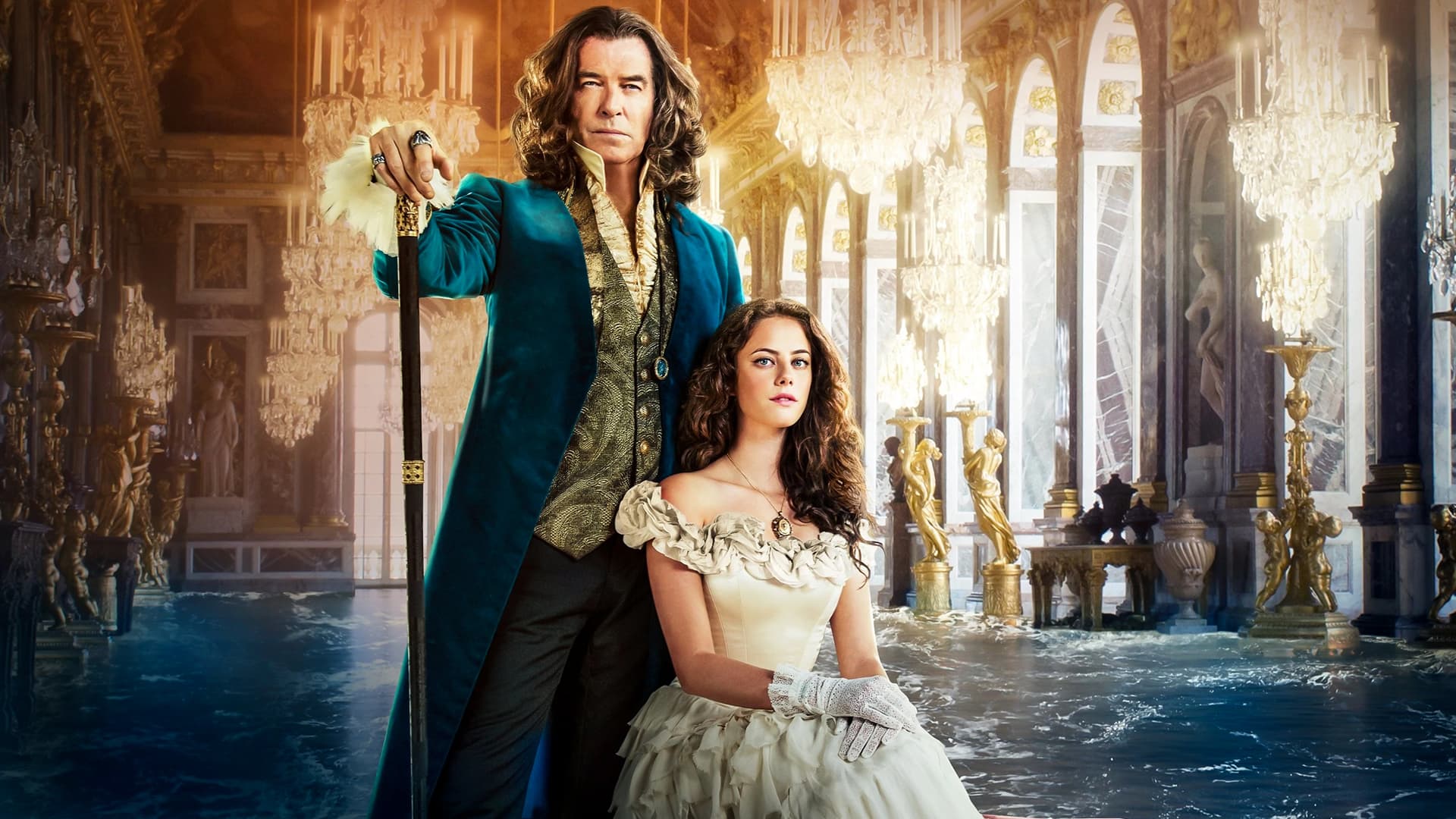
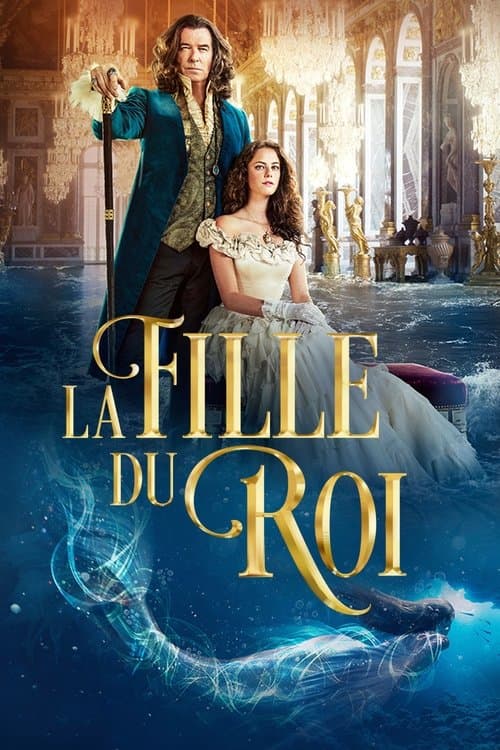
The King's Daughter is a fantasy adventure film with a fairy-tale atmosphere that is whimsical and luminous, tinged with a certain narrative naivety. A young woman raised in a convent finds herself at the court of Louis XIV and forms a deep bond with a mermaid captured by the king, whose survival is threatened by her father's ambitions. The film targets young teenagers and families, in a fairly classical fairy-tale tone.
Underlying Values
The narrative is built around an explicit opposition between faith, moral intuition and the heart on one side, and science, instrumental reason and ambition on the other. Characters who are religious or driven by compassion are presented in a favourable light, whilst the court physician, representing a scientific approach, is depicted as morally suspect or even malevolent. This hierarchy of values is pronounced enough to warrant an explicit conversation with a child or teenager: presenting scientific curiosity as a threat or a vice is a structurally questionable message. In parallel, the film valorises resistance to unjust authority, listening to one's own conscience and solidarity with the oppressed, which constitutes a sound and coherent moral foundation.
Parental and Family Portrayals
The figure of the father is central and ambivalent. Louis XIV is portrayed as a capricious man, a seducer willing to sacrifice a living being for his own ends, without his actions being truly questioned with the depth they deserve. The father-daughter relationship is strained by the contradiction between Marie-Josephe's emotional attachment and the king's morally reprehensible actions. This narrative tension offers a genuine opening for discussion about the capacity to love someone whilst refusing their actions, and about the limits of filial obedience.
Sex and Nudity
The mermaid appears several times with breasts and nipples visible, in a register intended to be aesthetic rather than erotic, but the nudity is real and repeated. The king's licentiousness is evoked through references to multiple adventures and sharing his bed, without explicit scenes. The whole remains within the bounds of a family film, but the mermaid's nudity may come as a surprise if viewing has not been anticipated.
Violence
Violence is present but moderate. There is a bullet wound with visible blood on the shoulder and in the water, physical fights using chains as weapons with blood on the face, and a broken arm shown with bruising. The threat of amputation is verbalised and the plan to surgically remove the mermaid's heart is mentioned explicitly without being depicted graphically. These elements are sufficiently present to alert parents of very young children, but do not constitute traumatising violence for a pre-teenager.
Social Themes
The film deploys in the background a reflection on the captivity and exploitation of a sentient creature, separated from loved ones and reduced to an object of power. This dimension resonates with contemporary concerns about humanity's relationship with nature and non-human beings, even if the film does not treat them with great depth. This is an angle one may choose to open up with a child sensitive to such questions.
Strengths
The film does not shine through narrative quality or the subtlety of its writing, which remains conventional and sometimes awkward. It functions more as an accessible visual fairy-tale, carried by the sincerity of its heroine and the emotional dimension of the bond she develops with the mermaid. This relationship of compassion and solidarity, which transcends difference and resists social pressure, constitutes its most solid emotional contribution. For a young child or an undemanding pre-teenager, the film can serve as a starting point for concrete reflection on moral courage and the protection of those who cannot defend themselves.
Age recommendation and discussion points
The film is accessible from age 9 or 10 onwards for serene viewing, with particular attention paid to younger viewers regarding the mermaid's nudity and scenes of mild violence. Two angles merit discussion after viewing: why the film presents scientists as dangerous characters and believers as heroes, and to what extent one can love someone whilst refusing to obey what they ask of you.
Synopsis
King Louis XIV's quest for immortality leads him to capture and steal a mermaid's life force, a move that is further complicated by his illegitimate daughter's discovery of the creature.
About this title
- Format
- Feature film
- Year
- 2022
- Runtime
- 1h 34m
- Countries
- Australia, China, France, Hong Kong, United Kingdom, United States of America
- Original language
- EN
- Directed by
- Sean McNamara
- Main cast
- Pierce Brosnan, Kaya Scodelario, Benjamin Walker, William Hurt, Julie Andrews, Fan Bingbing, Pablo Schreiber, Ben Lloyd-Hughes, Rachel Griffiths, Paul Ireland
- Studios
- Firstep, Brookwell-McNamara Entertainment, Kylin Pictures, Bliss Media, Lightstream Entertainment, Ingenious Media, Gravitas Ventures, Fame Universal Entertainment, Interface Productions, Lionsgate
Content barometer
- Violence2/5Moderate
- Fear2/5A few scenes
- Sexuality2/5Mild
- Language0/5None
- Narrative complexity1/5Accessible
- Adult themes0/5None
Watch-outs
- Death
- Abuse
Values conveyed
- Courage
- Acceptance of difference
- Compassion
- freedom
- friendship